No food or supplement will prevent illness outright, but several nutrients have a genuine, well-established role in normal immune function, particularly vitamin C, vitamin D, zinc and the sulphur compounds found in garlic and cruciferous vegetables. This hub gathers the foods, compounds and lab marker most relevant to supporting a properly functioning immune system.
Foods that support Immune Support
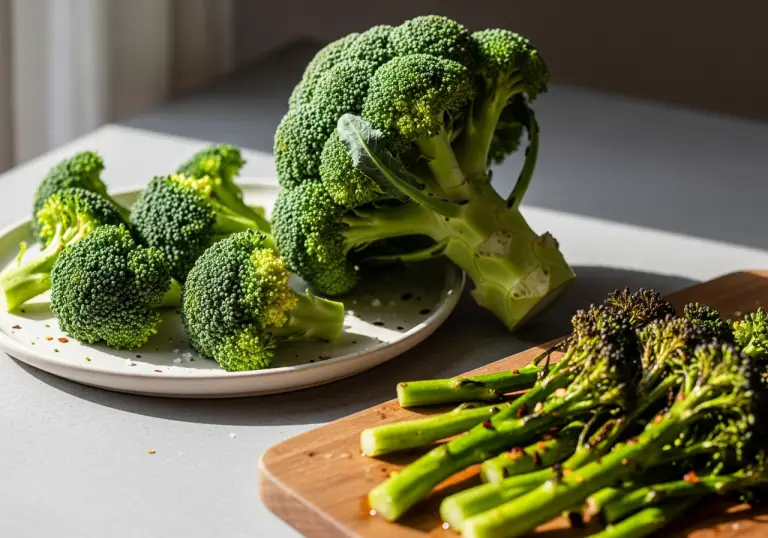
Broccoli
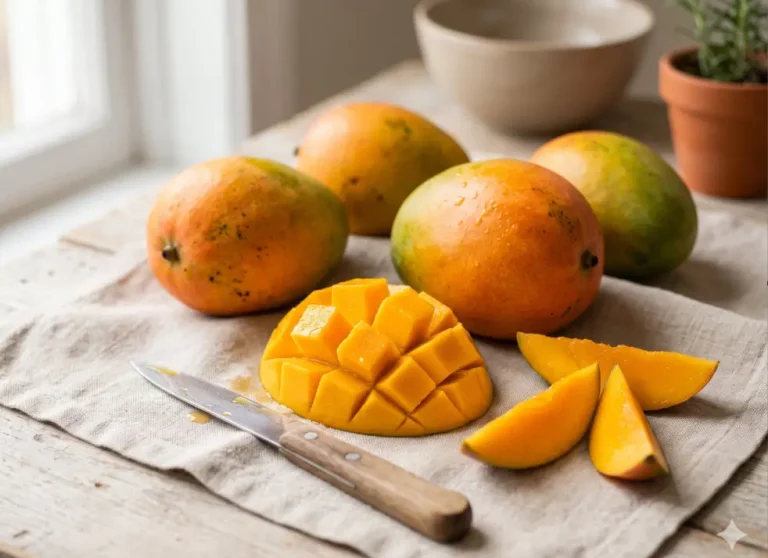
Mango
Oregano
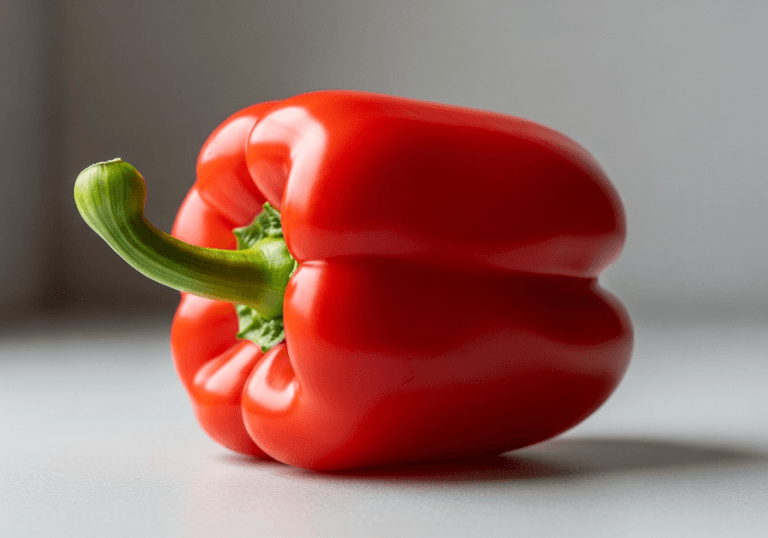
Red Bell Pepper
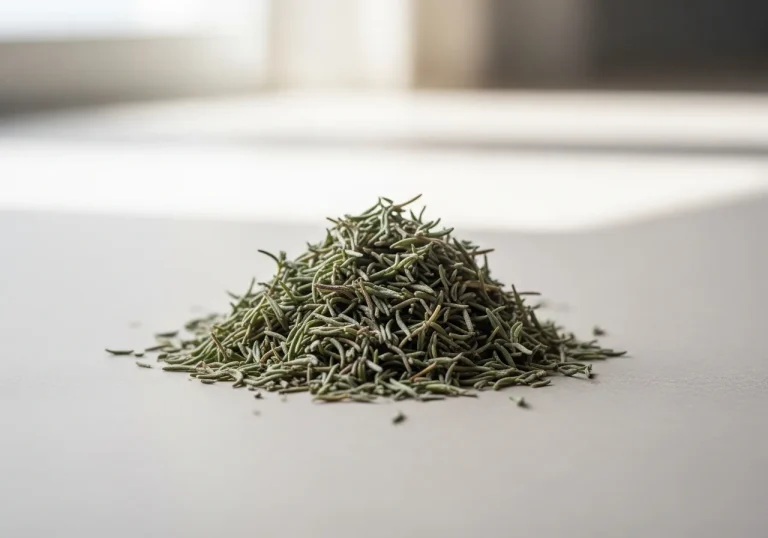
Thyme
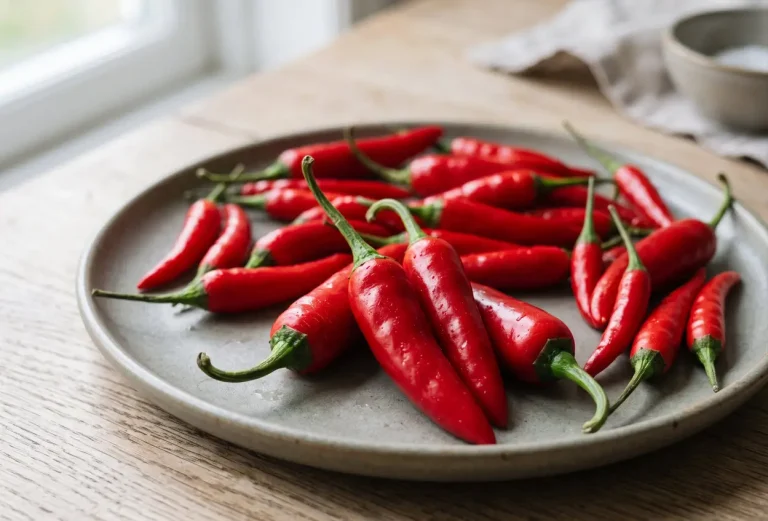
Chilli Pepper
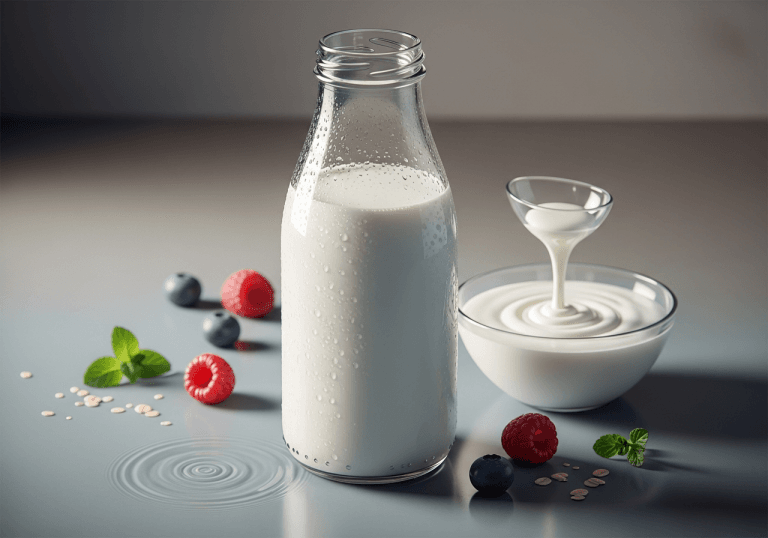
Kefir
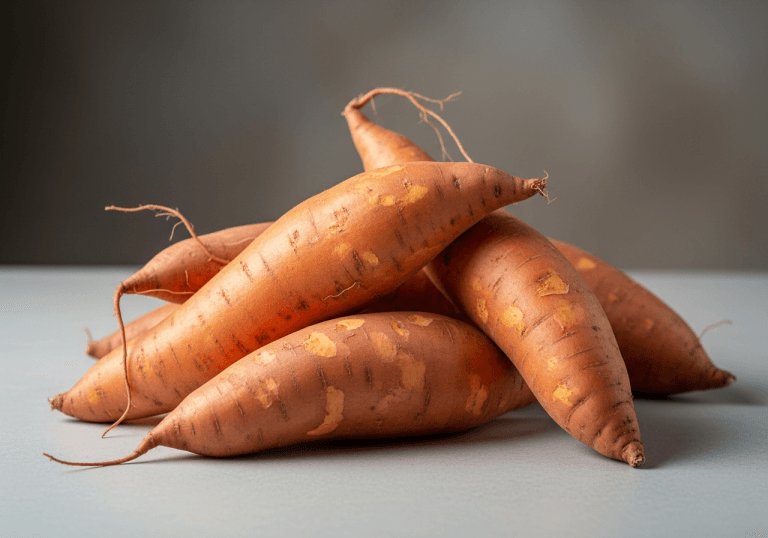
Sweet Potato
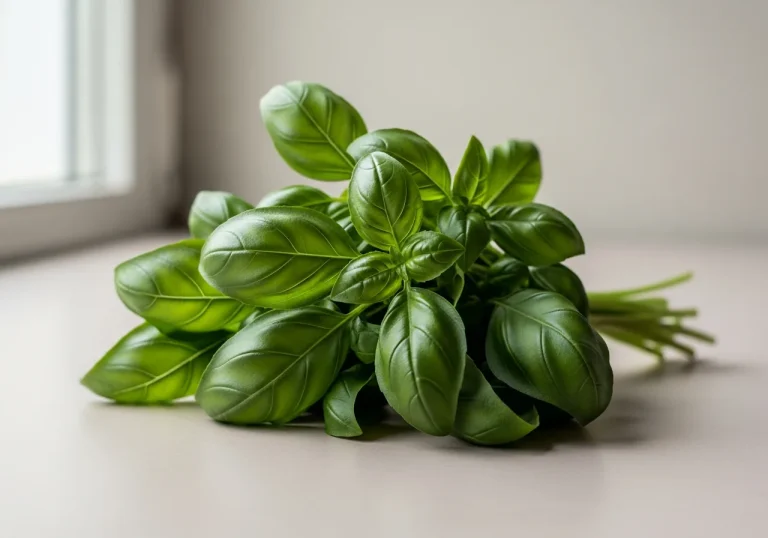
Basil
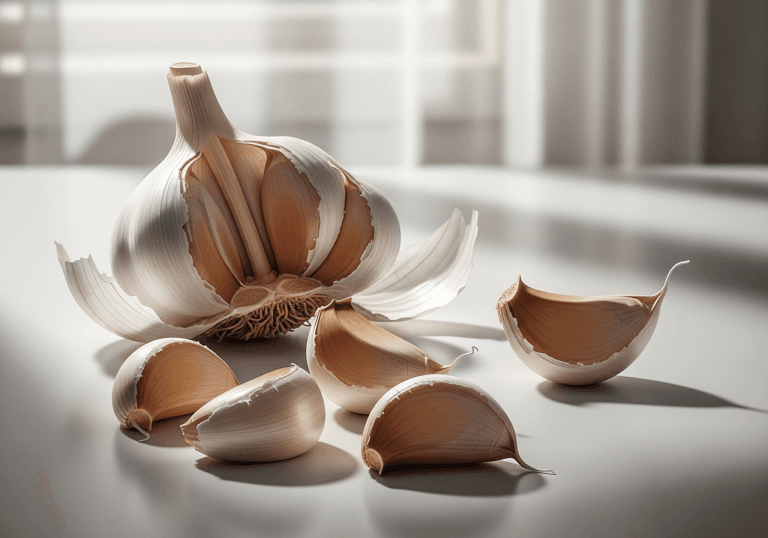
Garlic
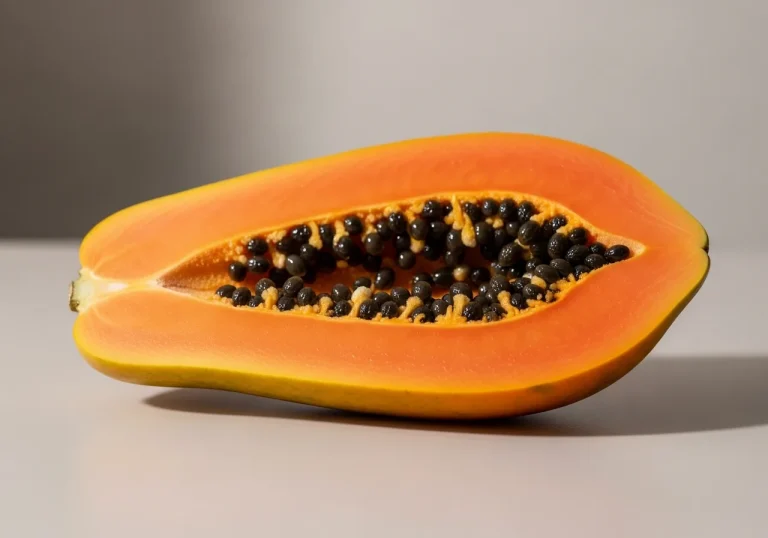
Papaya
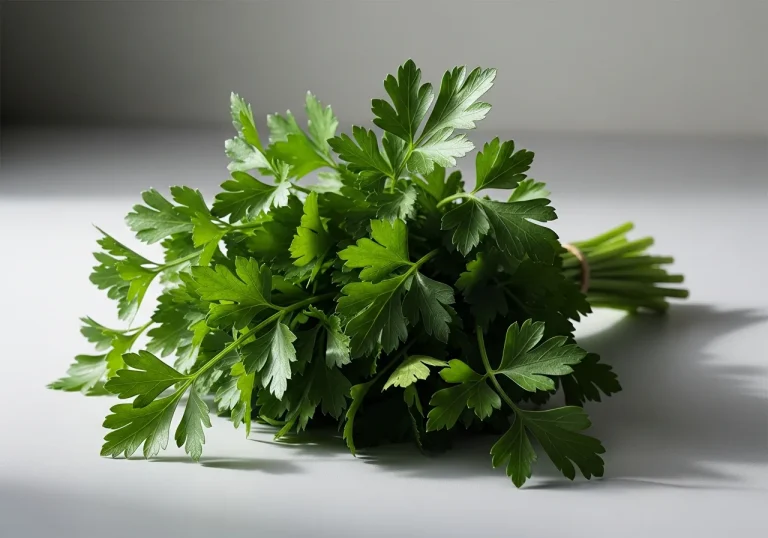
Parsley
The other 14 foods tagged for Immune Support
Key compounds linked to Immune Support
Biomarkers worth tracking
Recipes to try
Common questions
Does vitamin C actually prevent colds? The evidence is more modest than the reputation suggests — regular vitamin C intake doesn’t meaningfully reduce how often the average person catches a cold, though some studies show a small reduction in how long a cold lasts. It’s more accurate to say vitamin C supports normal immune function than that it prevents illness.
Is zinc deficiency common? It’s more common than many people expect, particularly in older adults and those eating a mostly plant-based diet without careful planning, since plant sources of zinc are less bioavailable than animal ones. Pumpkin seeds and legumes are among the better plant sources.
Explore other health goals
- Best Foods for Heart Health
- Best Foods for Blood Sugar Control
- Best Anti-Inflammatory Foods
- Best Foods for Bone Health
- Best Foods for Brain Health
- Best Foods for Energy and Performance
- Best Foods for Gut Health
- Best Foods for Skin Health
- Best Foods for Weight Management
- Best Foods for Better Sleep
- Best Foods for Eye Health
- Best Foods for Weight Gain
- Best Foods for Muscle Growth
- Best Foods for Healthy Hair
- Best Foods for Liver Health