Blood sugar control is central to metabolic health, energy levels through the day, and long-term risk of type 2 diabetes. The foods and eating patterns that support steady blood sugar are well studied — high-fibre, minimally processed foods that digest slowly tend to produce a gentler glucose response than refined, fast-digesting carbohydrates. This hub gathers the foods, compounds and lab markers from across the encyclopedia most relevant to blood sugar management.
Foods that support Blood Sugar Control
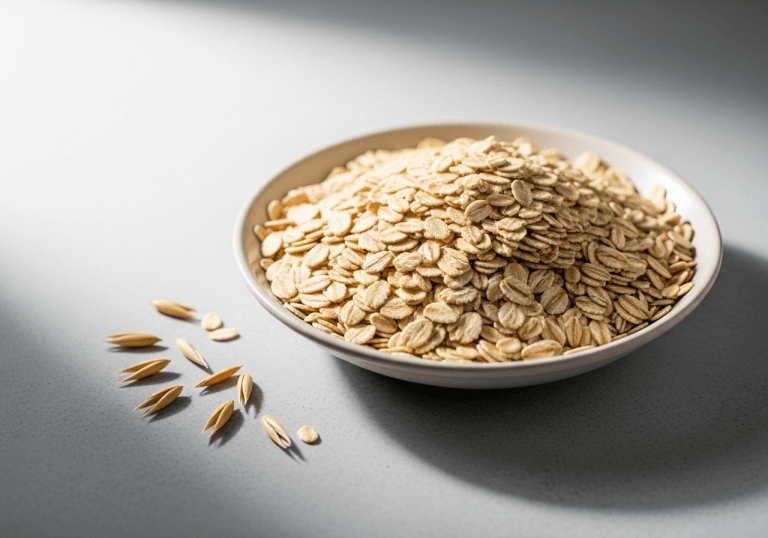
Oats
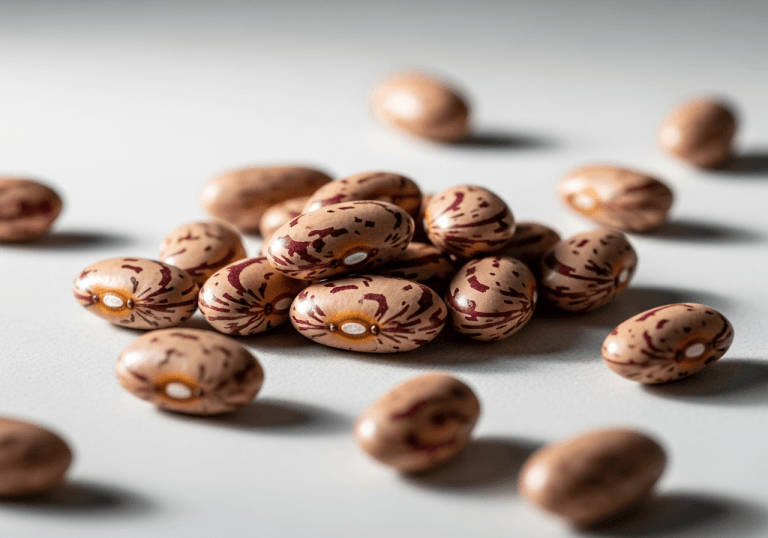
Pinto Beans
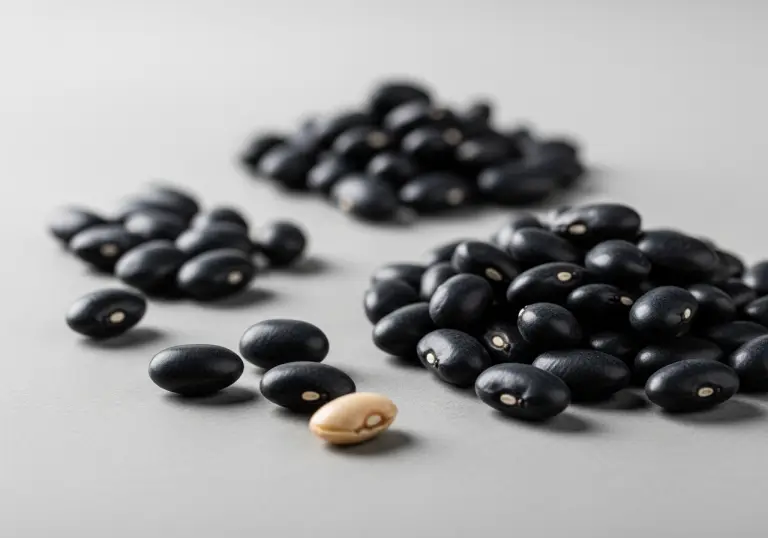
Black Beans
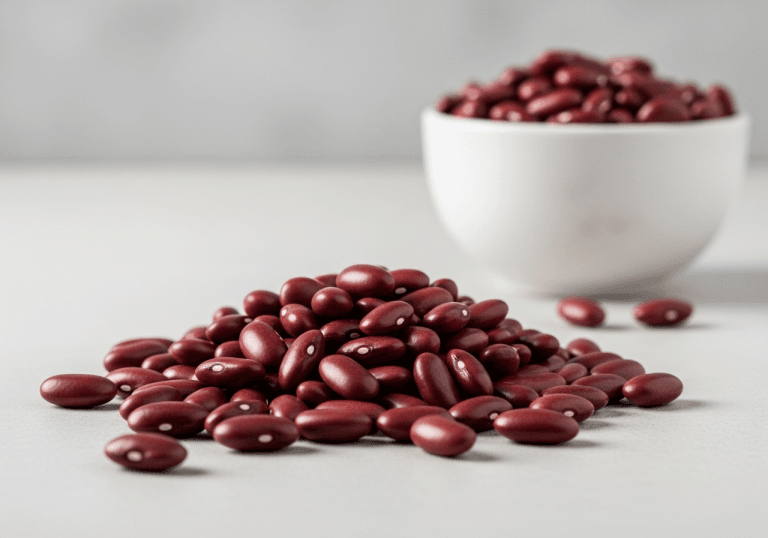
Kidney Beans
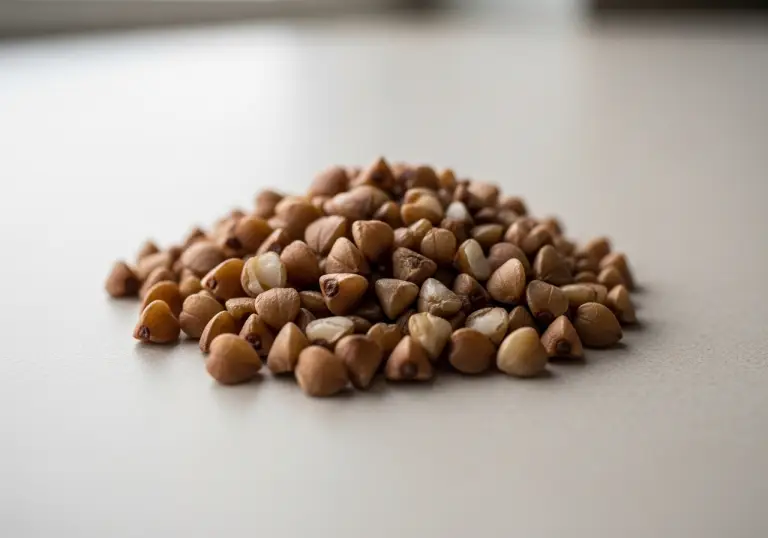
Buckwheat
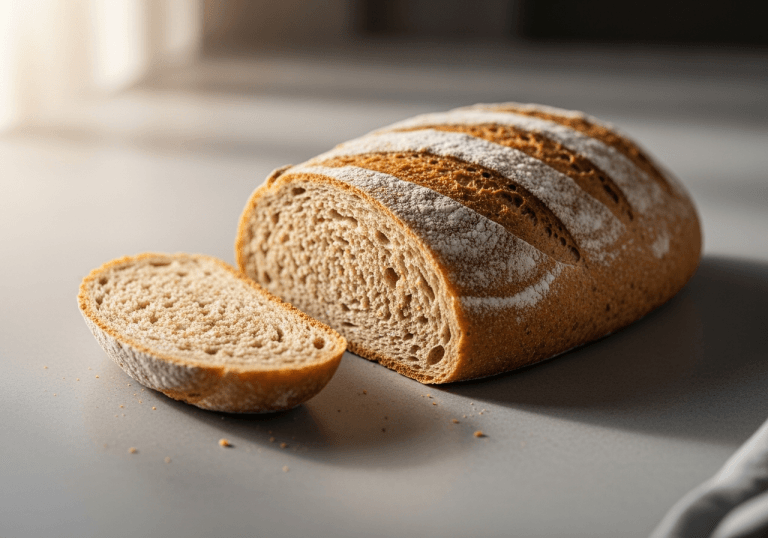
Whole Wheat Bread
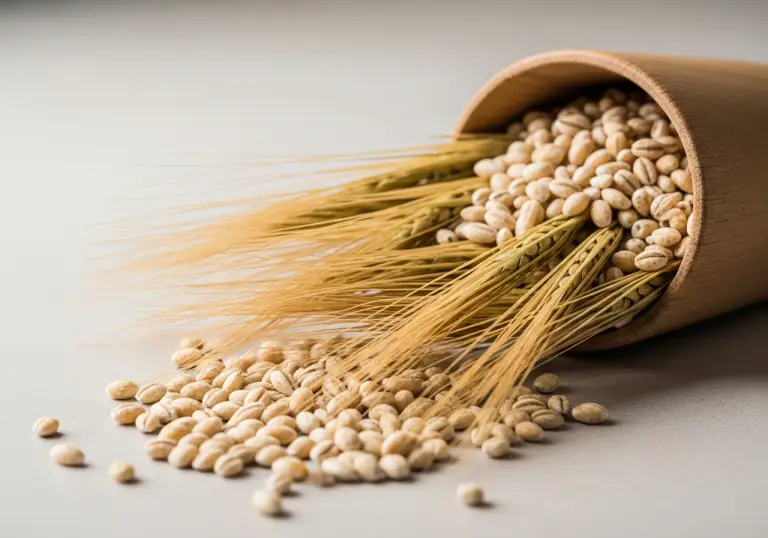
Barley
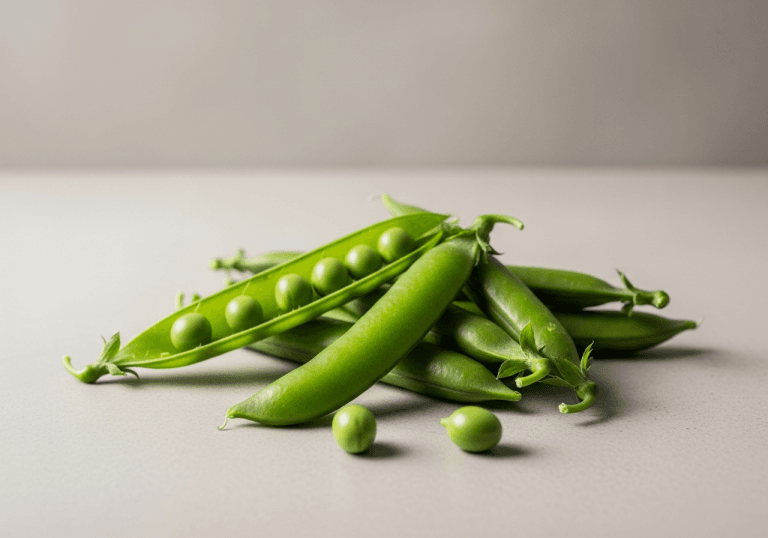
Green Peas
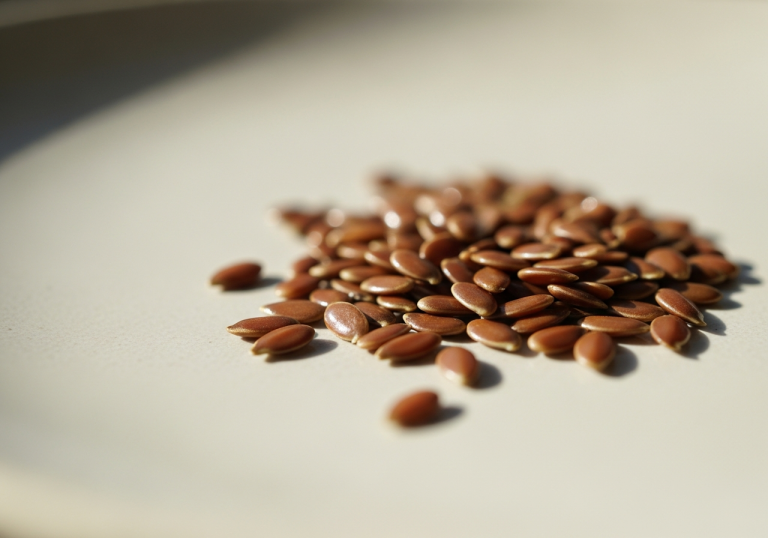
Flaxseed
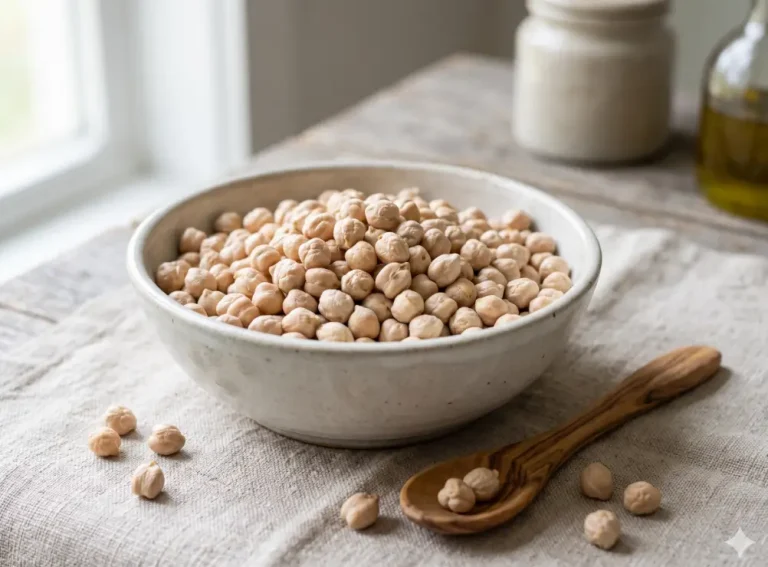
Chickpeas
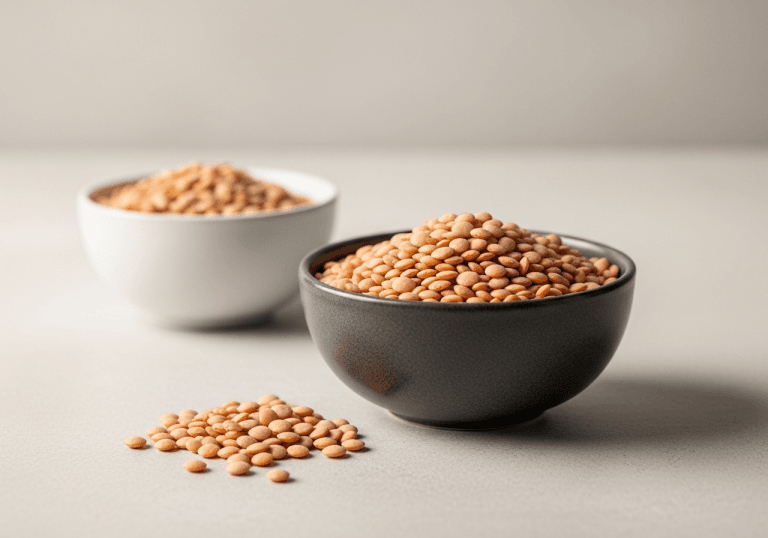
Lentils
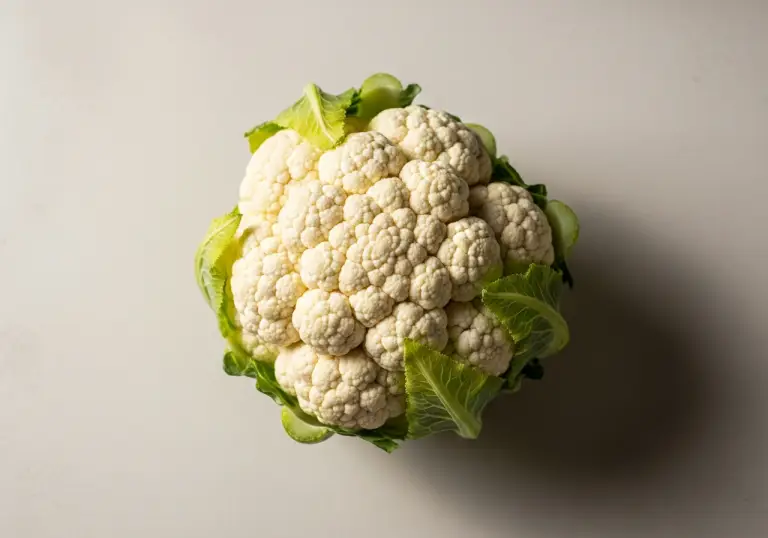
Cauliflower
The other 3 foods tagged for Blood Sugar Control
Key compounds linked to Blood Sugar Control
Biomarkers worth tracking
Recipes to try
Common questions
What’s the difference between fasting blood glucose and HbA1c? Fasting blood glucose is a snapshot of your blood sugar at one moment, while HbA1c reflects your average blood sugar over roughly the past two to three months, which is why HbA1c is generally considered the more reliable long-term marker for diabetes risk and management.
Does fibre really help control blood sugar? Yes, particularly soluble fibre — it slows how quickly carbohydrate is digested and absorbed, which blunts the blood sugar spike that follows a meal. This is one of the more consistently replicated findings in nutrition research.
Explore other health goals
- Best Foods for Heart Health
- Best Anti-Inflammatory Foods
- Best Foods for Bone Health
- Best Foods for Brain Health
- Best Foods for Energy and Performance
- Best Foods for Gut Health
- Best Foods for Immune Support
- Best Foods for Skin Health
- Best Foods for Weight Management
- Best Foods for Better Sleep
- Best Foods for Eye Health
- Best Foods for Weight Gain
- Best Foods for Muscle Growth
- Best Foods for Healthy Hair
- Best Foods for Liver Health