Most of what protects eyesight over a lifetime is not food — not smoking, UV protection, keeping blood pressure and blood sugar in range, and actually going for eye tests do the heavy lifting. But two carotenoids are a genuine exception. Lutein and zeaxanthin are deposited in the macula itself, where they filter blue light and work as antioxidants, and the body cannot make either — they have to come from food. Vitamin A is separately required for the retina to detect light at all. This hub gathers the foods and nutrients most relevant to eye health from across the encyclopedia.
Foods that support Eye Health
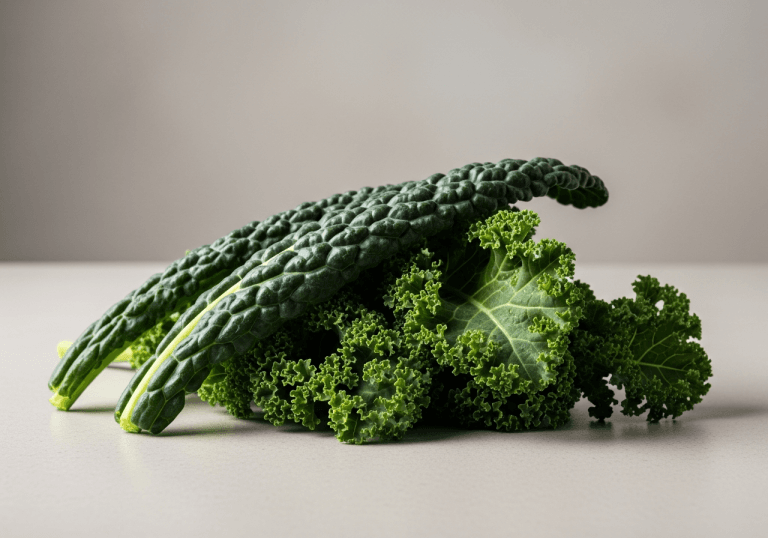
Kale
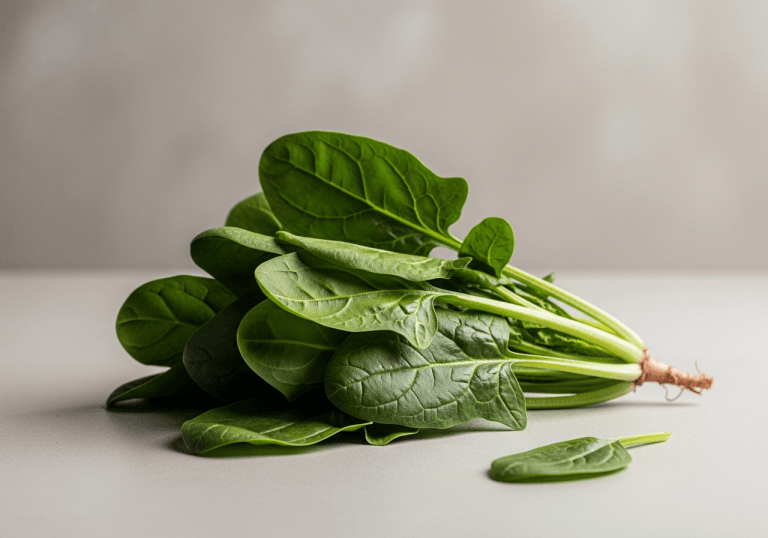
Spinach
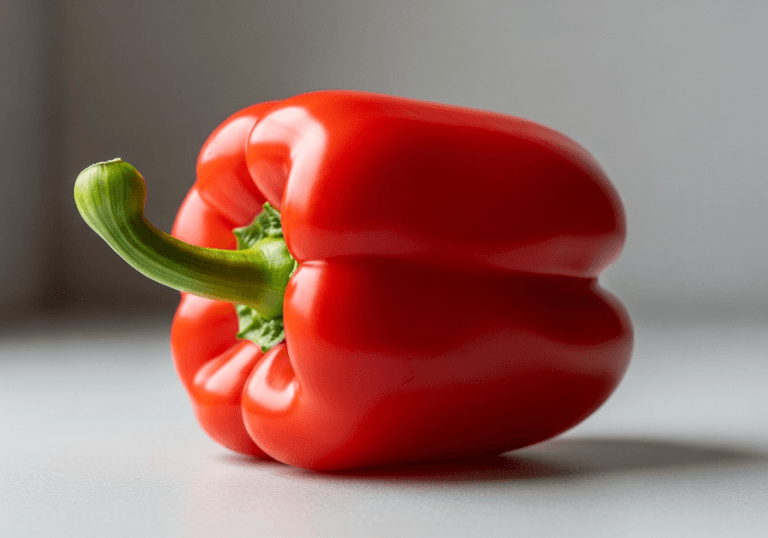
Red Bell Pepper
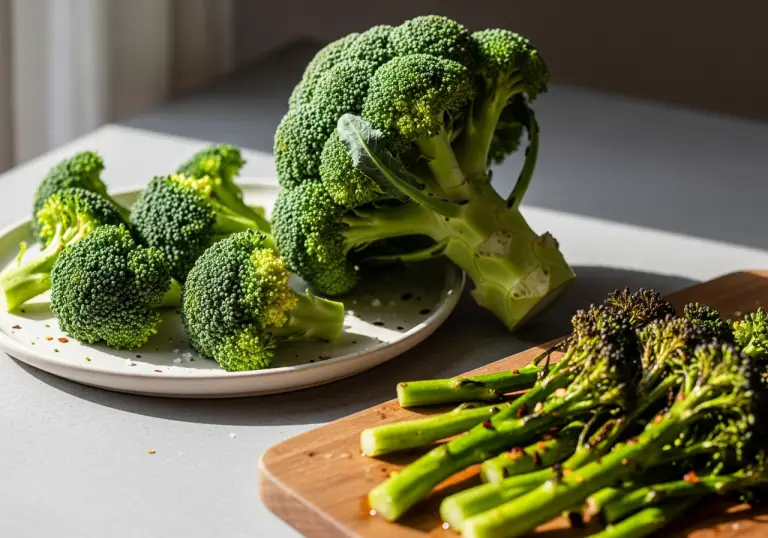
Broccoli

Butternut Squash
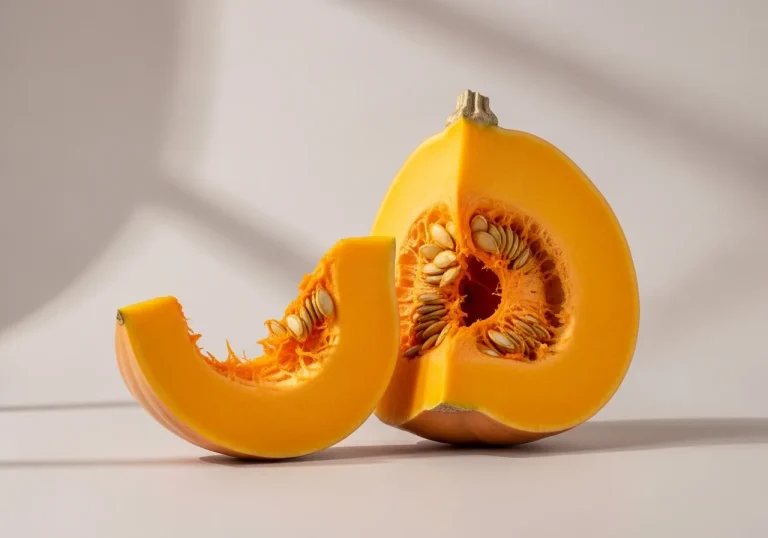
Pumpkin
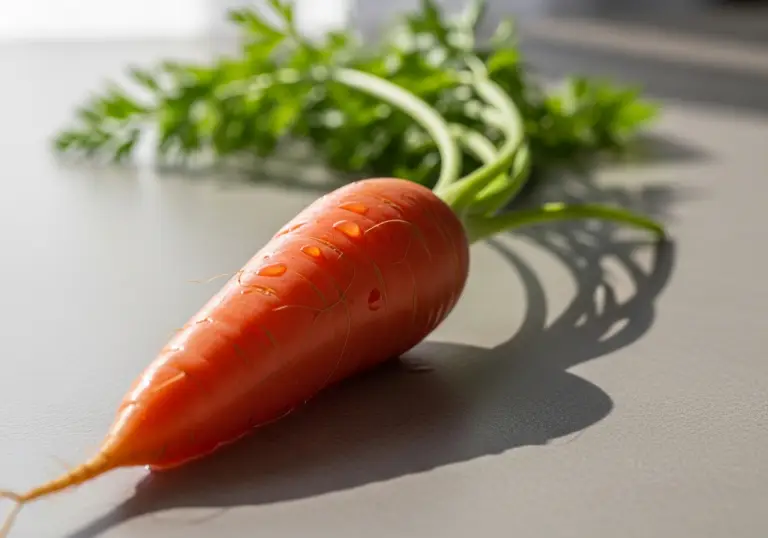
Carrot
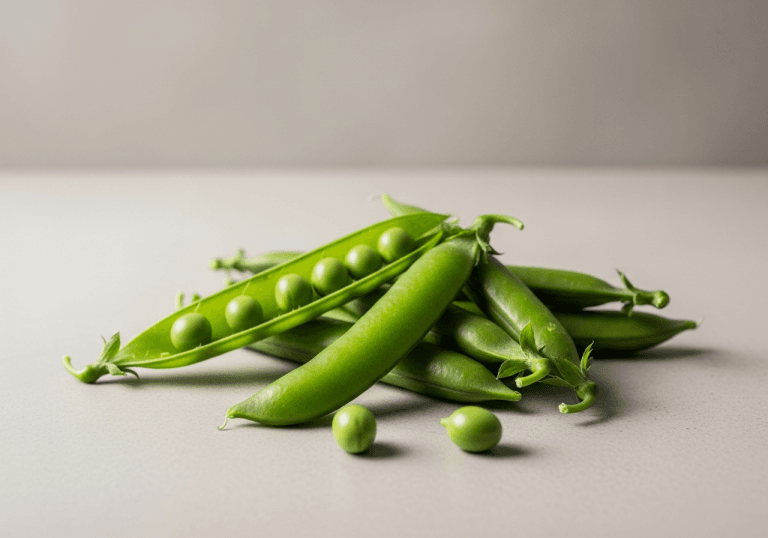
Green Peas
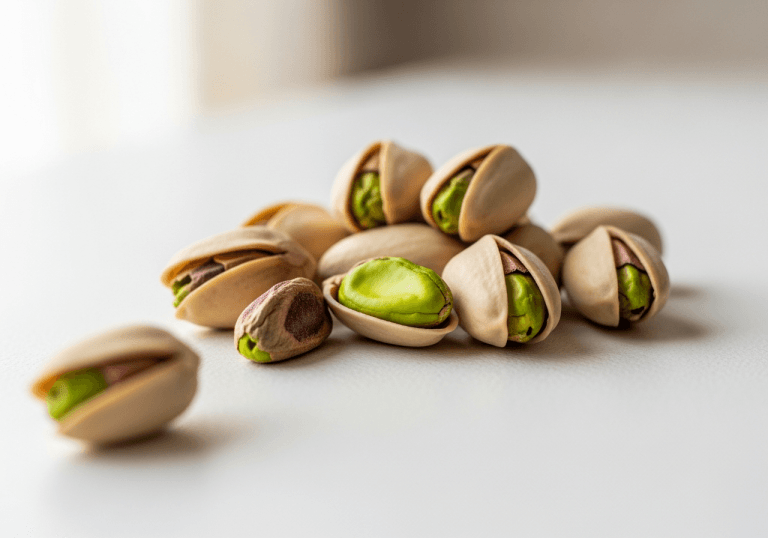
Pistachios
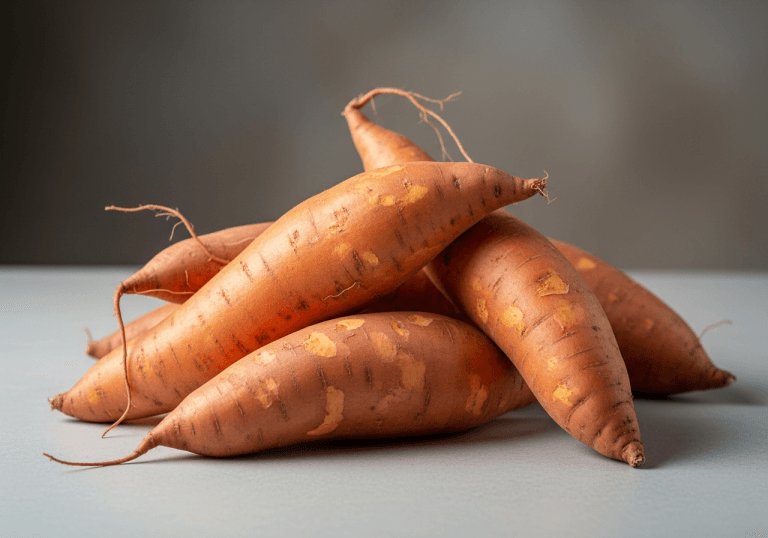
Sweet Potato

Eggs
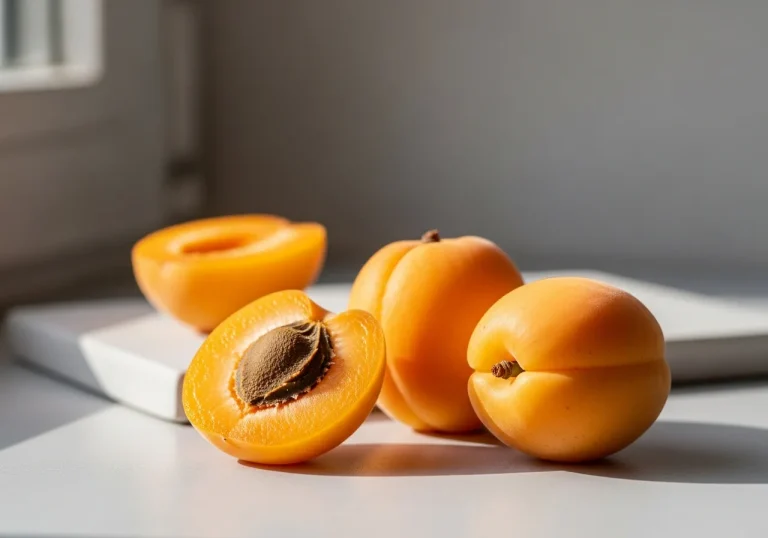
Apricot
The other 3 foods tagged for Eye Health
Key compounds linked to Eye Health
Common questions
Do carrots really help you see in the dark? Only if you were short of vitamin A to begin with. The body makes vitamin A from the beta-carotene in carrots, and it is needed to build rhodopsin, the retinal pigment behind low-light vision — so a genuine deficiency causes night blindness and correcting it restores normal sight. Eating more carrots on top of an adequate diet does not improve night vision beyond normal. The stronger claim came from wartime propaganda that credited carrots for RAF pilots’ night-time success while airborne radar stayed secret.
Which foods are highest in lutein and zeaxanthin? Dark leafy greens, by a distance. Spinach leads this database at 12 mg per 100 g and kale follows at 6.26 mg, with pistachios the highest nut at 2.9 mg. Egg yolk holds far less by weight, around 0.5 mg, but arrives packaged with fat — which is what these carotenoids need in order to be absorbed. Dressing greens with oil does the same job.
Do eye supplements work? Not as a general precaution. The best-known trial evidence applies to a specific high-dose formula given to people who already had intermediate age-related macular degeneration; it was not shown to prevent eye disease in healthy eyes. Beta-carotene was later removed from that formula because high-dose supplements raised lung cancer risk in smokers — a finding about supplements, not about beta-carotene in food.
Does omega-3 help dry eye? The evidence is split, which is why this page does not tag oily fish for eye health. Observational work links higher dietary omega-3 intake to less dry eye, but the largest randomised trial of omega-3 supplements for dry eye found no benefit over placebo. Oily fish is well supported for other reasons — see omega-3.
Sudden vision changes, floaters or flashes need an optometrist or doctor the same day.
Explore other health goals
- Best Foods for Heart Health
- Best Foods for Blood Sugar Control
- Best Anti-Inflammatory Foods
- Best Foods for Bone Health
- Best Foods for Brain Health
- Best Foods for Energy and Performance
- Best Foods for Gut Health
- Best Foods for Immune Support
- Best Foods for Skin Health
- Best Foods for Weight Management
- Best Foods for Better Sleep
- Best Foods for Weight Gain
- Best Foods for Muscle Growth
- Best Foods for Healthy Hair
- Best Foods for Liver Health