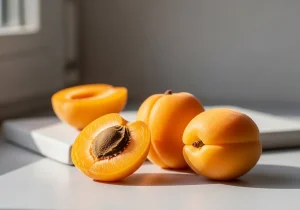
Apricot
Apricots are high in beta-carotene and soluble fibre for eye and skin health; dried apricots are a concentrated iron and fibre source.
Apricots are high in beta-carotene and soluble fibre for eye and skin health; dried apricots are a concentrated iron and fibre source.
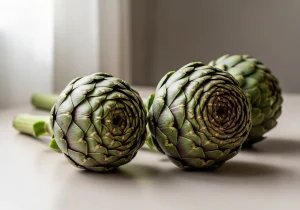
One of the highest-fibre vegetables available, artichokes also supply cynarin for liver support and inulin prebiotic fibre.
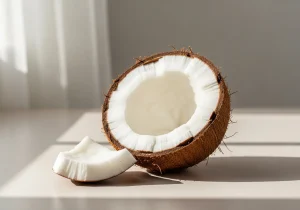
Coconut meat, water and oil each have distinct profiles: MCTs for energy, fibre for gut health, polyphenols for antioxidant defence.
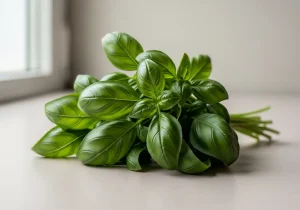
Basil’s essential oils — eugenol, linalool and rosmarinic acid — give it anti-inflammatory and antimicrobial properties beyond its culinary role.
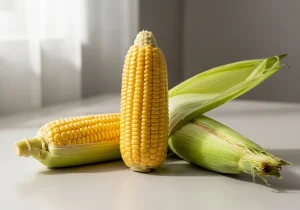
Whole corn is a useful source of lutein, zeaxanthin and fibre for eye and heart health, but has a high glycaemic index.
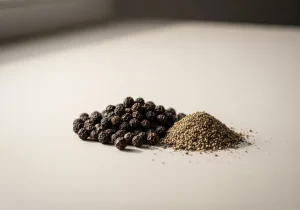
Piperine, black pepper’s active compound, increases curcumin bioavailability by around 2000% and supports digestion independently.
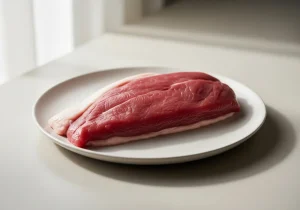
Duck delivers complete protein with more iron and B12 per 100 g than chicken, making it a nutrient-dense, flavour-rich choice.
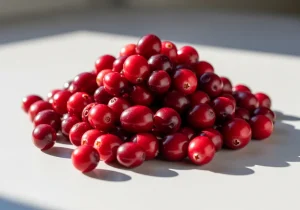
A-type proanthocyanidins in cranberries prevent bacterial adhesion in the urinary tract, giving them a modest role in UTI prevention.
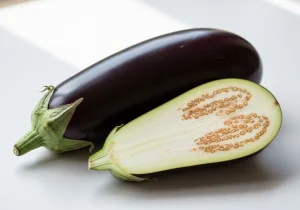
Eggplant skin contains nasunin, a brain-protective anthocyanin antioxidant, and the flesh provides fibre for heart health.
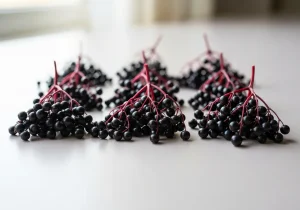
Elderberry is one of the best-studied natural remedies for upper respiratory infections, with anthocyanins and polyphenols that reduce cold duration.

Guava is one of the most vitamin-C-dense common fruits, with roughly four times more vitamin C than oranges per 100 g.
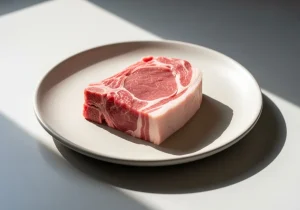
Lamb delivers complete protein, heme iron, B12 and zinc per 100 g, with a flavour that needs little enhancement.