This is a page with a smaller claim than most of its competitors. The commonest kind of hair loss — the gradual, patterned thinning that affects most men and many women with age — is genetic and hormonal, and no food changes it. What diet genuinely does affect is shedding caused by a deficiency: not enough iron, zinc or protein, or a period of rapid weight loss, all of which can push hair follicles into shedding early. Correcting that can stop the shedding.
What none of these foods will do is make hair grow faster or thicker than it otherwise would in someone who is already well fed. The nutrients below are the ones with documented deficiency effects, and the foods are simply where they occur.
Foods that support Healthy Hair
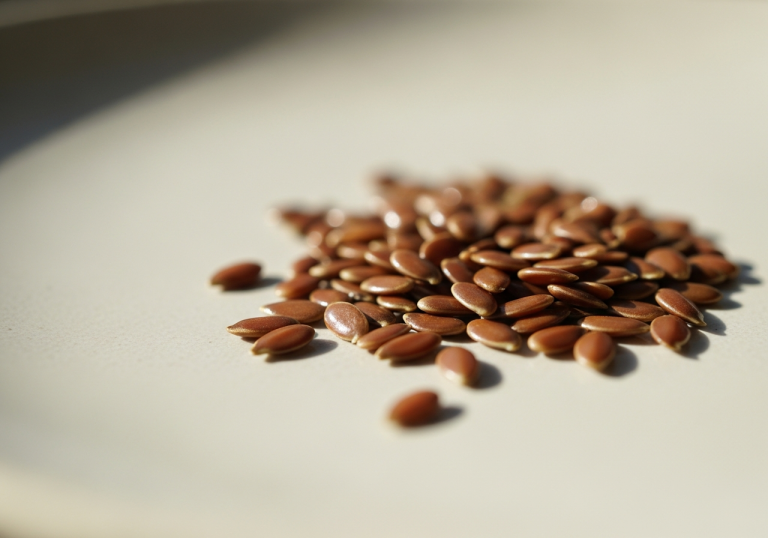
Flaxseed
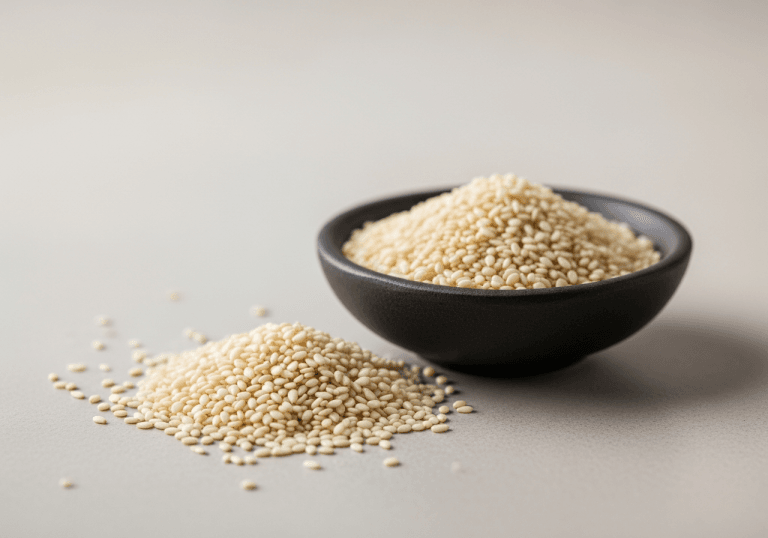
Sesame Seeds
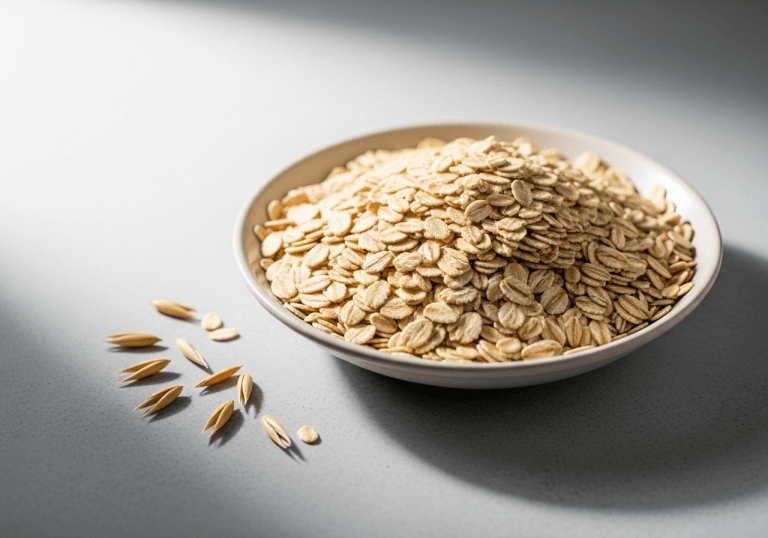
Oats
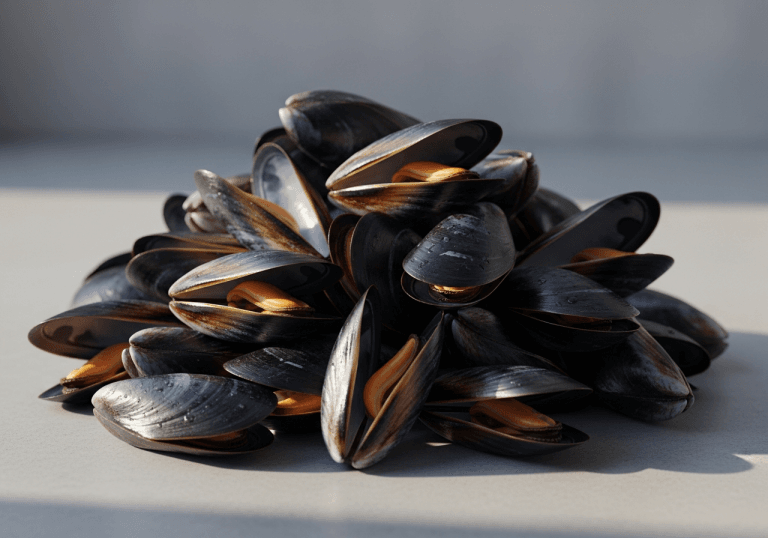
Mussels
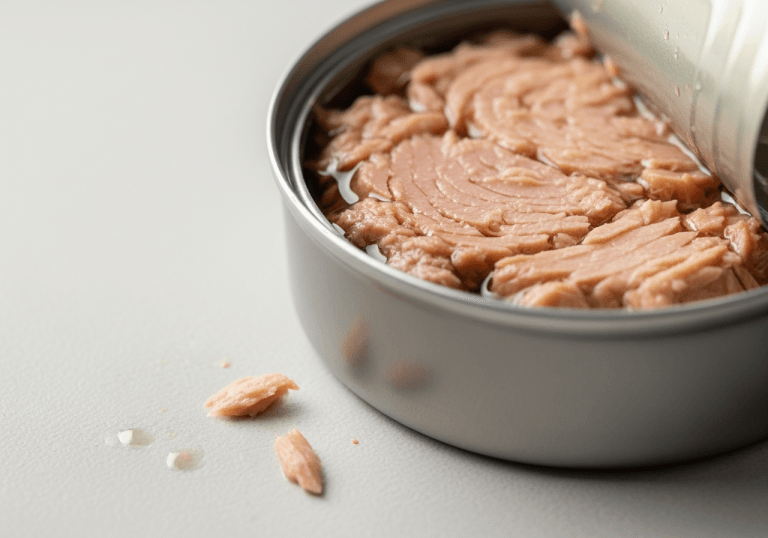
Tuna (canned, light)
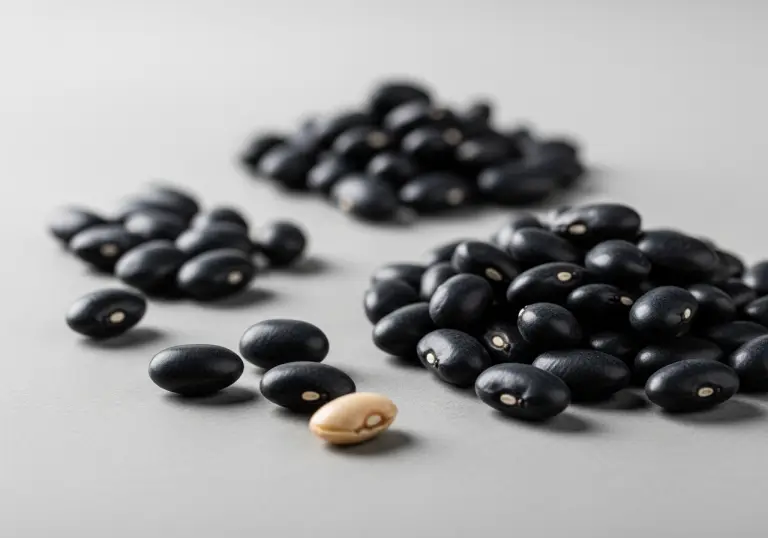
Black Beans
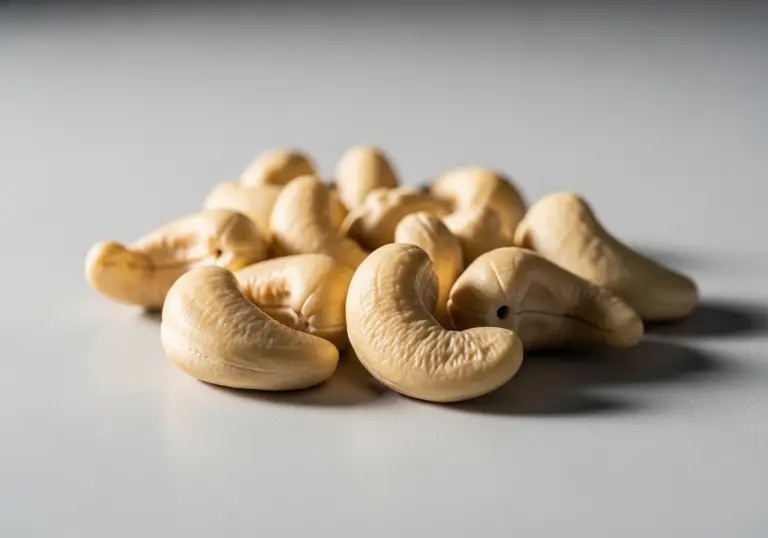
Cashews
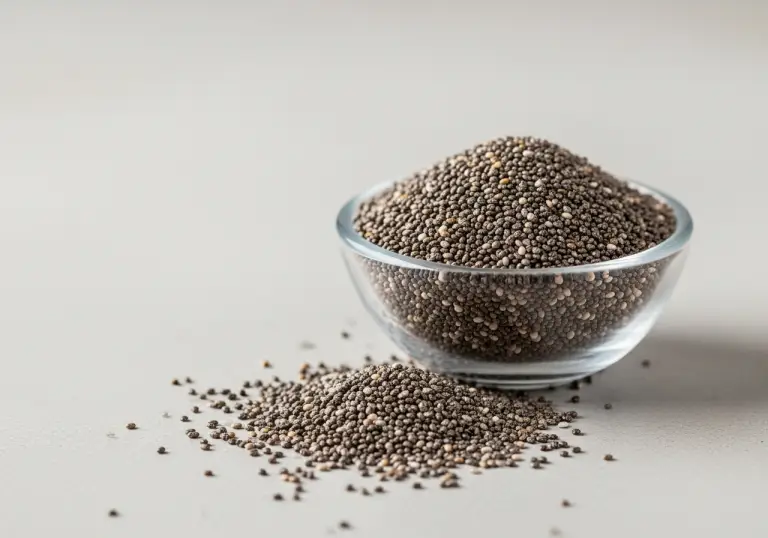
Chia Seeds
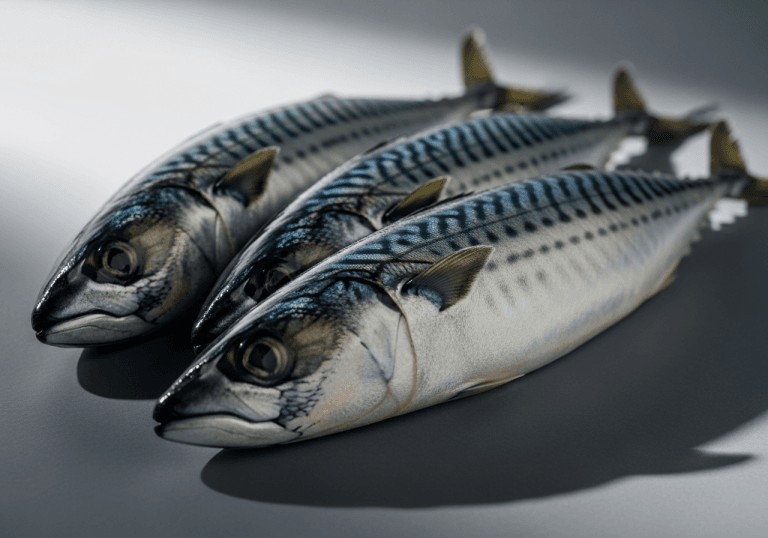
Mackerel
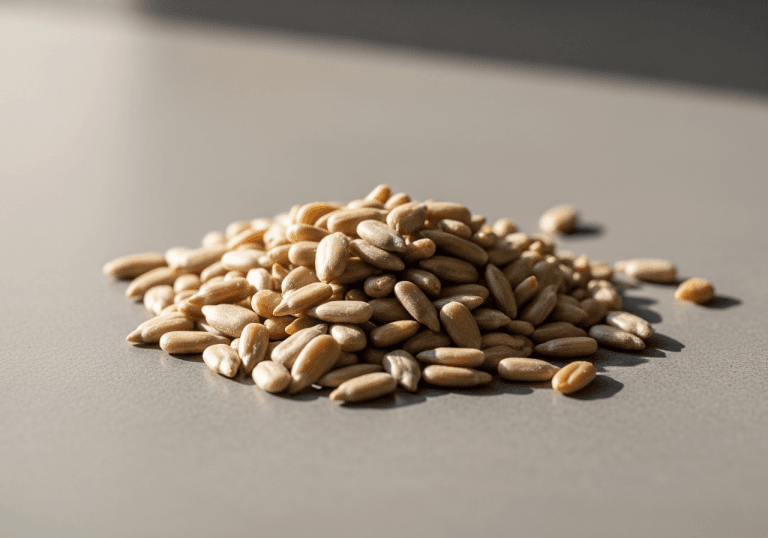
Sunflower Seeds
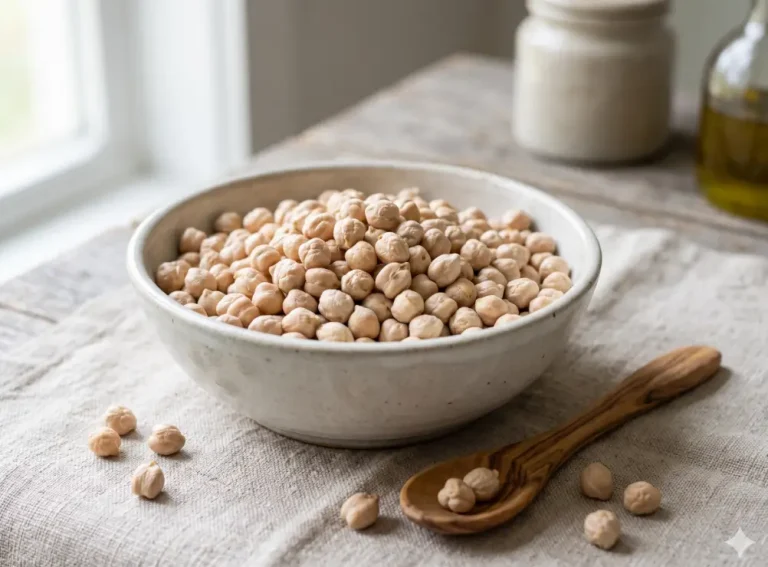
Chickpeas
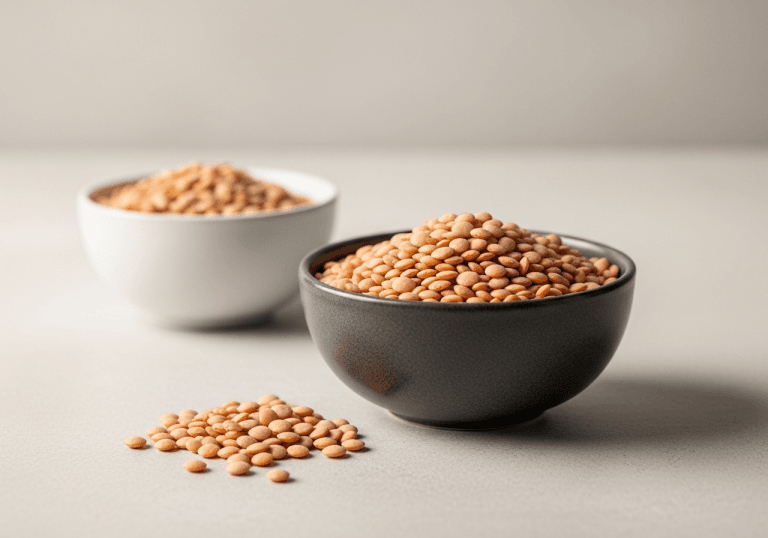
Lentils
The other 8 foods tagged for Healthy Hair
Key compounds linked to Healthy Hair
Common questions
What foods make hair grow faster? None, in the sense the question usually means. Hair grows at a rate set largely by genetics and age, and no food speeds that up in someone already eating enough. What food can do is release a brake: where hair is shedding because of low iron, low zinc, too little protein or rapid weight loss, correcting that can stop the shedding and let normal growth resume. The foods below are where those nutrients occur.
Why is my hair falling out? There are several common causes and a food list cannot tell them apart. Gradual patterned thinning is genetic and hormonal. Diffuse shedding two to three months after an illness, an operation, childbirth or rapid weight loss is usually telogen effluvium, which often settles on its own. Low iron and thyroid problems are the causes most often checked for — worth testing rather than guessing, since iron is one of the few nutrients that does harm when taken unnecessarily. A GP or dermatologist can distinguish these, and the treatments differ completely.
Does biotin work for hair growth? Only where there is a genuine biotin deficiency, which is rare — it is made by gut bacteria and present in a wide range of foods. Trials showing benefit were in people with a deficiency or an inherited metabolic condition, and there is no good evidence of benefit otherwise. One safety point worth knowing: high-dose biotin supplements interfere with several common laboratory blood tests and can produce misleading results, so they are worth mentioning to whoever orders them.
Can taking too many vitamins cause hair loss? Yes, which runs the opposite way to how these products are usually marketed. Excess vitamin A causes hair loss, and so does selenium toxicity — selenium has an unusually narrow gap between the amount needed and the amount that harms. That is why this page lists selenium-containing foods rather than selenium supplements. Getting these nutrients from food is safe; stacking supplements on top is where problems appear.
See also skin health, which shares several of these nutrients.
Explore other health goals
- Best Foods for Heart Health
- Best Foods for Blood Sugar Control
- Best Anti-Inflammatory Foods
- Best Foods for Bone Health
- Best Foods for Brain Health
- Best Foods for Energy and Performance
- Best Foods for Gut Health
- Best Foods for Immune Support
- Best Foods for Skin Health
- Best Foods for Weight Management
- Best Foods for Better Sleep
- Best Foods for Eye Health
- Best Foods for Weight Gain
- Best Foods for Muscle Growth
- Best Foods for Liver Health