Lentils are among the most affordable, nutrient-dense staples on the planet. A 100 g cooked serving delivers nearly 9 g of plant protein, 8 g of fibre, meaningful iron and folate, and almost no fat. Their low glycemic index makes them a reliable choice for anyone managing blood sugar, and their combination of protein and fibre is studied for its effects on satiety and lipid profiles. That profile explains why lentils appear in research on heart health, blood sugar control and gut health.
Compounds & anti-nutrients in Lentils
Per 100 g, Lentils is a notable dietary source of these active compounds. Tap any to see its full sources map and how to work with it.
- Folate 479 ug 119.8% DV
- Copper 0.84 mg 93.1% DV
- Manganese 1.57 mg 68.2% DV
- Iron 7.16 mg 39.8% DV
- Zinc 3.86 mg 35.1% DV
- Vitamin B6 0.54 mg 31.8% DV
- Phosphorus 373.6 mg 29.9% DV
- Magnesium 106.7 mg 25.4% DV
- Potassium 948.9 mg 20.2% DV
- Choline 96.4 mg 17.5% DV
- Phytates 450 mg
- Purines 222 mg
- Lectins 5 rel.
- FODMAPs 4 g
- Resistant Starch 2 g
Why lentils are good for you
Lentils are one of the few plant staples that come close to a complete protein — they are slightly low in methionine, but pairing them with a grain fixes that. Their iron is non-haem, so it is less readily absorbed than meat iron, but eating them with vitamin C-rich foods closes much of the gap. The resistant starch in cooked-then-cooled lentils feeds beneficial gut bacteria, adding a prebiotic effect to the fibre story.
Lentil nutrition at a glance
The label shows the numbers, but the practical message is that lentils are one of the best protein-per-pound foods in any supermarket, and almost all of their carbohydrate is fibre or resistant starch rather than rapidly digestible sugar.
How to cook and use lentils
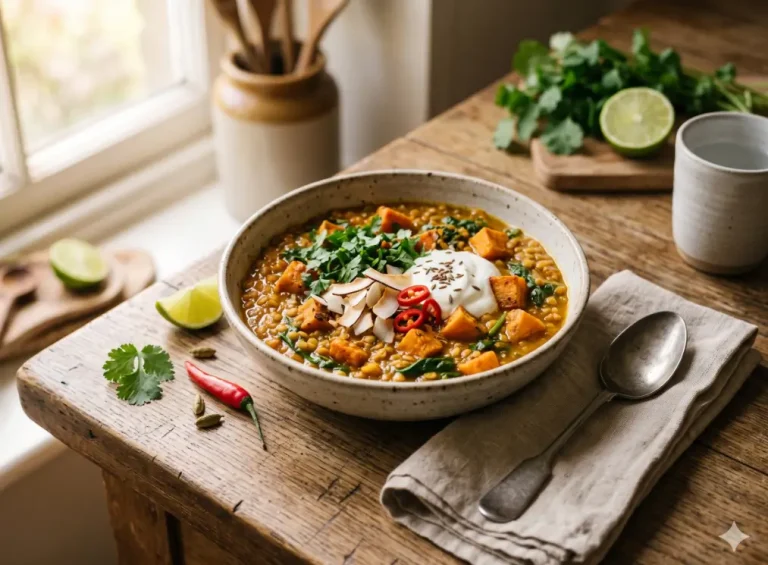
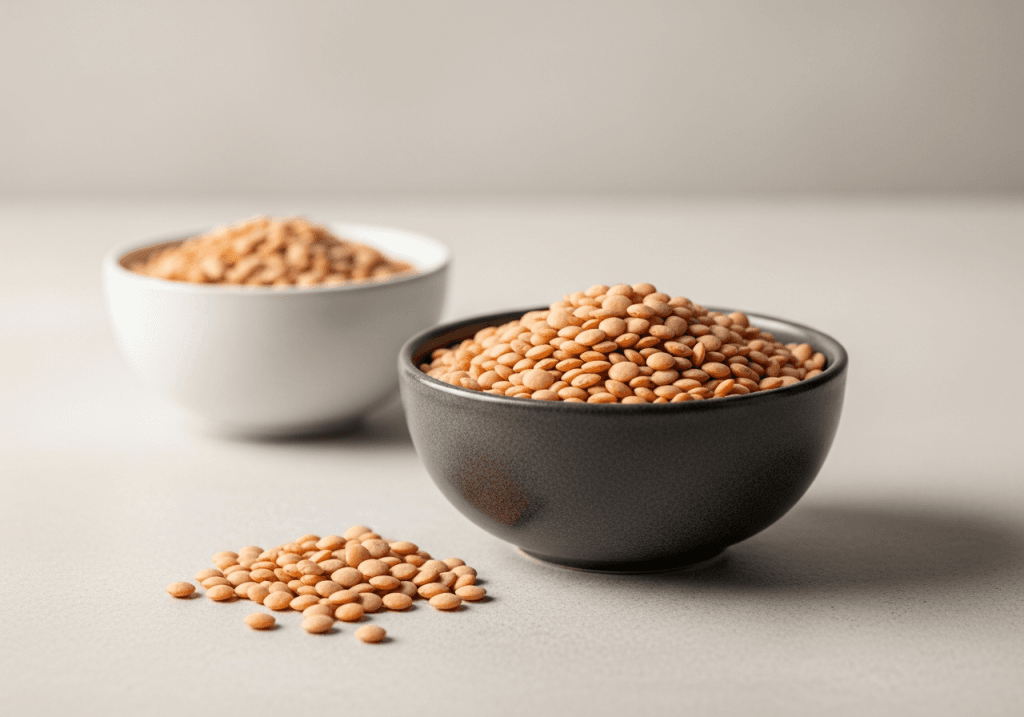
Brown and green lentils hold their shape when cooked and are ideal for salads, curries and sweet potato stews. Red lentils break down faster and make the best dal or soup thickener. Rinse them before cooking, simmer in unsalted water or stock for 15–25 minutes depending on variety, and add aromatics like onion, garlic and cumin early. They pair naturally with brown rice or whole-grain bread to complete the amino acid profile.
Common questions
Are lentils better than meat? They are better than meat for fibre, folate and price; meat is better for heme iron, B12 and zinc. The healthiest diets usually include both.
Do lentils cause bloating? Their fibre and resistant starch can, especially if you are not used to them. Start with small portions, rinse well before cooking, and consider soaking dried lentils to reduce the oligosaccharides that cause gas.
Explore by health goal
Lentils is one of many foods that support these goals: