The liver is the organ that does the detoxifying. It does not need to be detoxed, flushed or cleansed, and nothing you drink will do that for it — which makes most of what is sold under this heading a category error at best. What genuinely damages livers is alcohol and, increasingly, metabolic fatty liver disease, which is common and usually causes no symptoms at all until it is advanced.
Diet does matter for that second one, but the two biggest levers are not foods. They are drinking less alcohol and, for people carrying excess weight, losing some of it — a modest reduction in body weight can clear fat from the liver in a way no individual ingredient comes close to matching. The foods below support that picture rather than replacing it. One of them is coffee, which is here on unusually consistent evidence — see the questions below.
Foods that support Liver Health
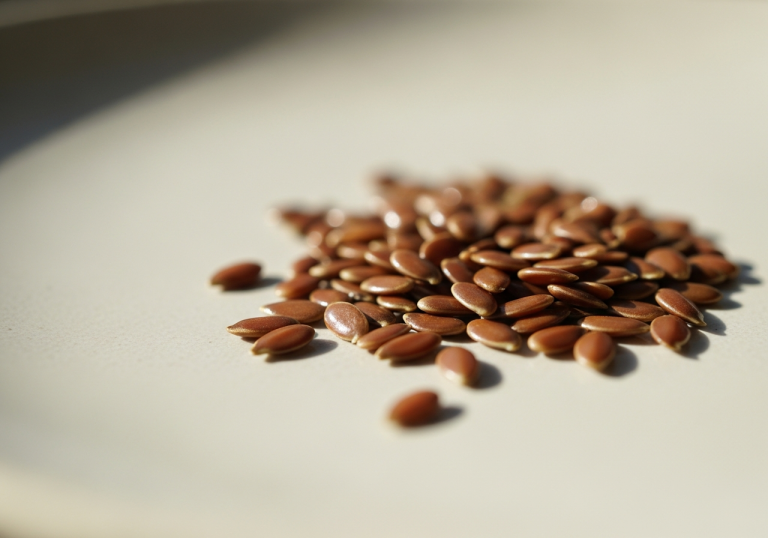
Flaxseed
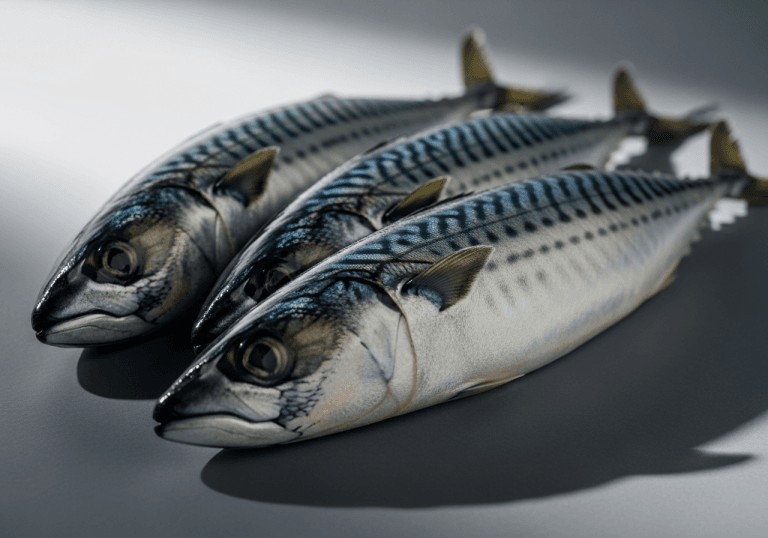
Mackerel
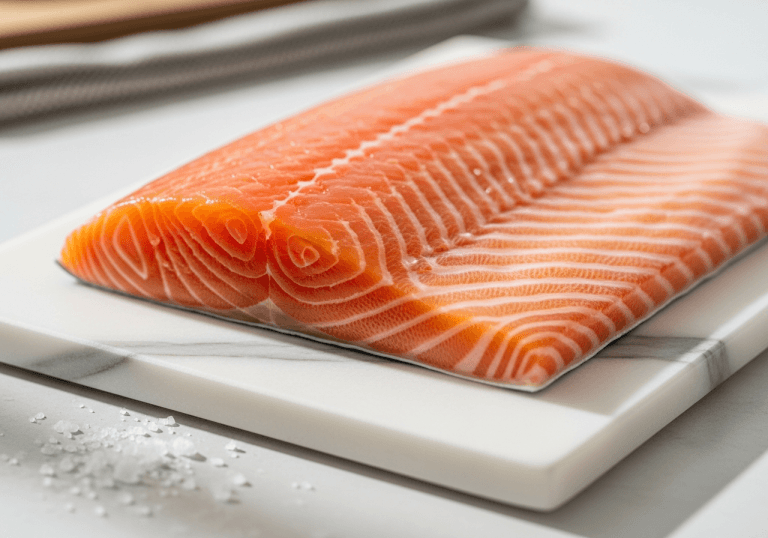
Salmon (Atlantic)
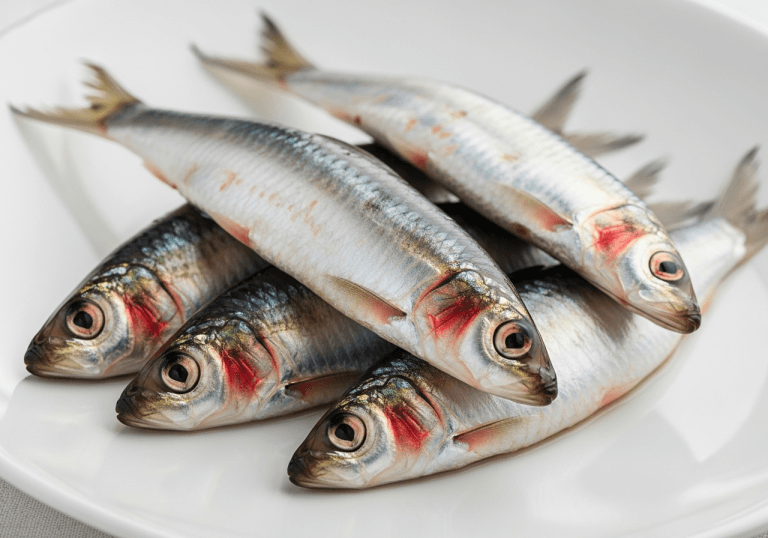
Sardines
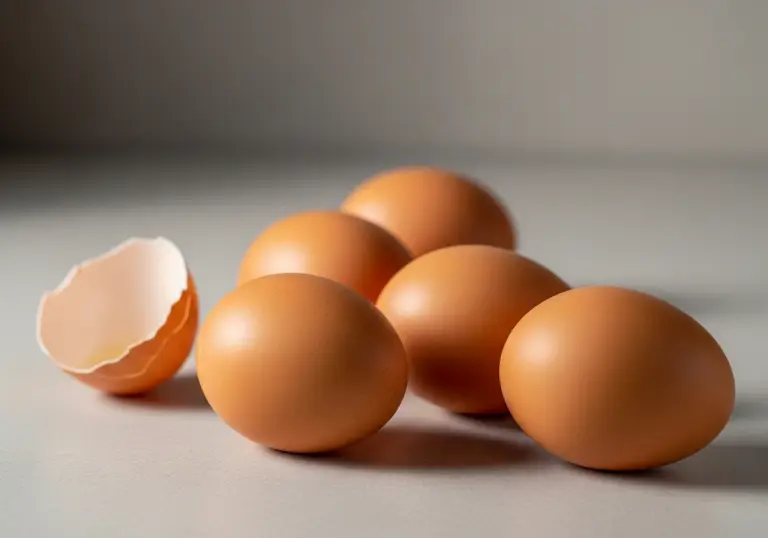
Eggs
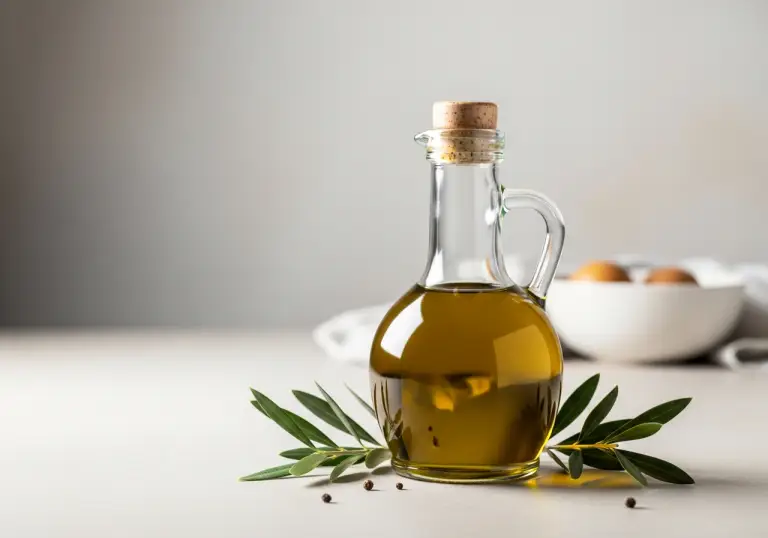
Extra Virgin Olive Oil
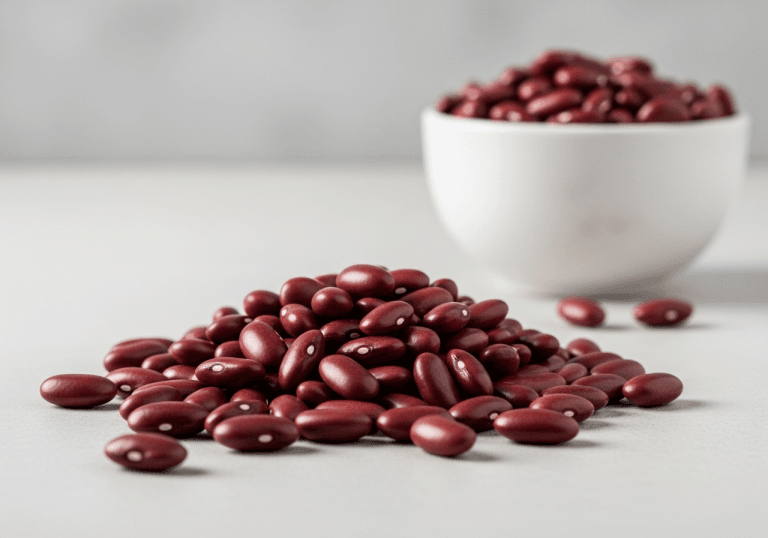
Kidney Beans
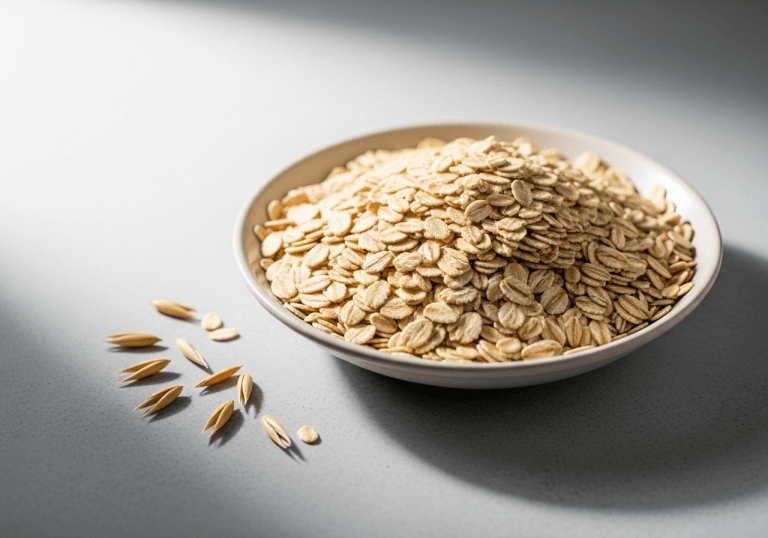
Oats
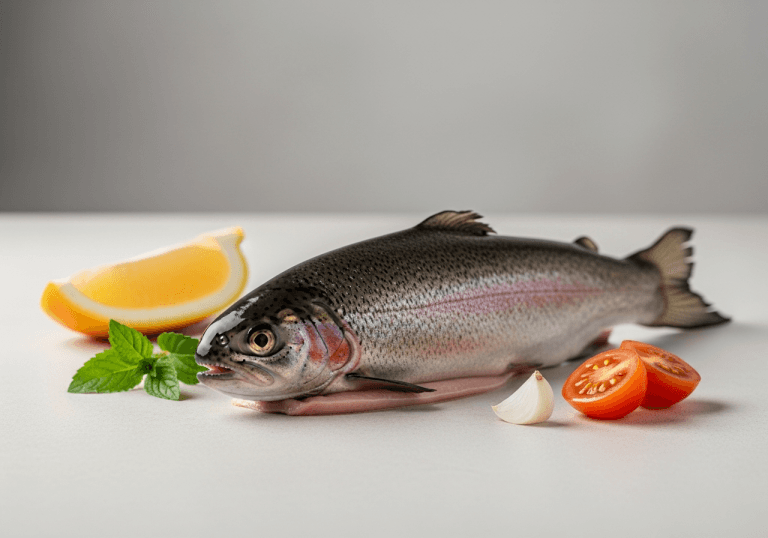
Rainbow Trout
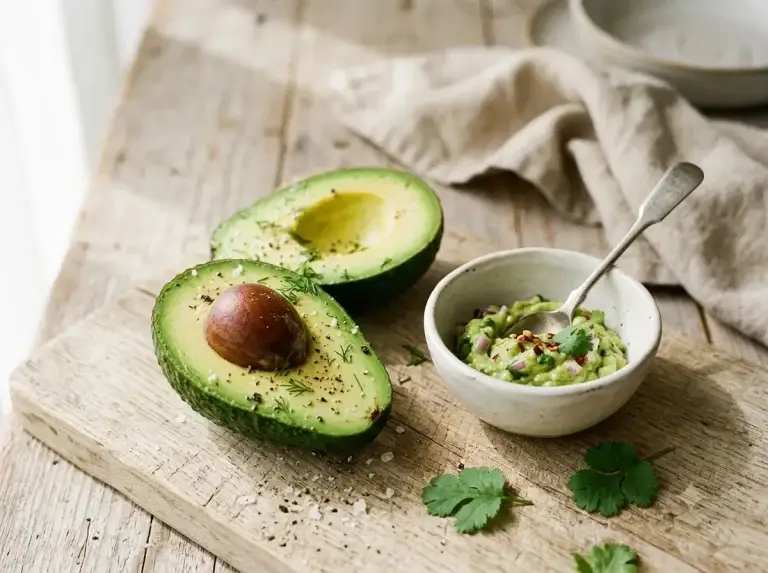
Avocado
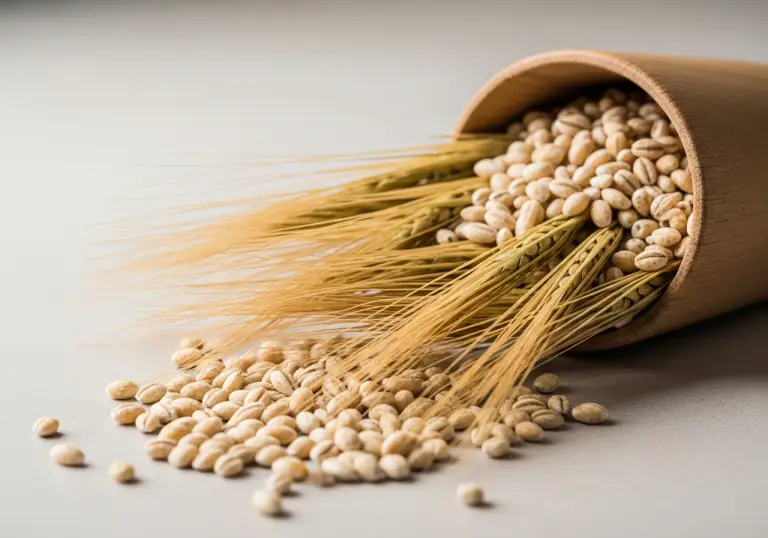
Barley
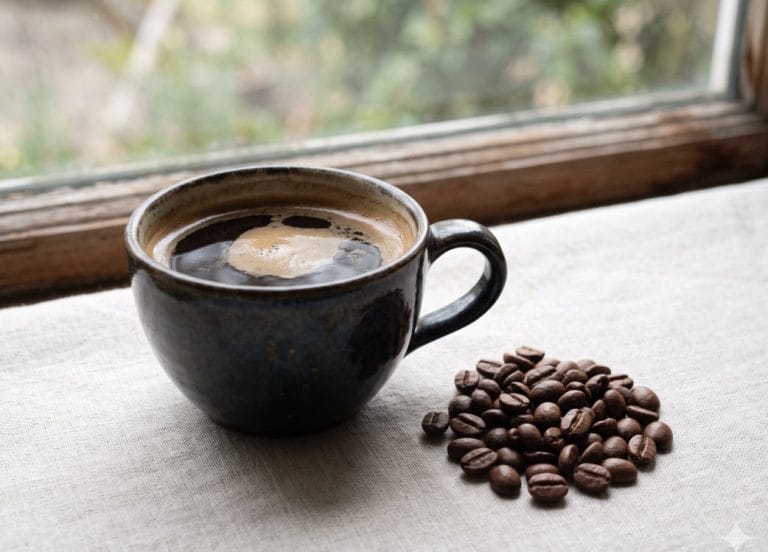
Coffee
The other 6 foods tagged for Liver Health
Key compounds linked to Liver Health
Common questions
Do liver detoxes and cleanses work? No. There is no evidence that juices, teas or supplement protocols remove anything from the liver, and herbal and dietary supplements are among the commonest causes of drug-induced liver injury — green tea extract and high-dose vitamin A are both documented culprits. The irony is exact: a meaningful share of supplement-related liver injury comes from products bought to help the liver. Drinking green tea is fine; concentrated extracts are a different thing.
Is coffee good for your liver? It holds up better than almost any other food-and-disease claim. Across large cohort studies, higher coffee intake is associated with lower liver enzymes, less progression of fibrosis and lower rates of liver cancer, with a dose-response pattern. Two caveats keep it honest: this is observational evidence, so it cannot prove cause, and decaffeinated coffee shows a similar association, which suggests caffeine is not the active ingredient. It is not a reason to start drinking coffee if you would rather not.
What helps a fatty liver? Weight, alcohol and the overall pattern of what you eat. Losing excess weight has the strongest evidence and can reverse fat accumulation; drinking less matters independently of that. Among dietary patterns, Mediterranean-style eating has the best support and is what European liver guidelines point towards. Sugary drinks are worth singling out, because fructose is metabolised largely in the liver. Anyone actually diagnosed should work this out with their doctor rather than from a website.
Does milk thistle work for the liver? The evidence does not support it. It is the most-sold liver supplement, and systematic reviews have not found convincing benefit on liver-related outcomes. Vitamin E is the more interesting case — high-dose supplemental vitamin E has shown improvement in trials in one specific patient group — but that is a decision to take with a doctor, not a reason to eat more almonds.
Liver disease is often silent until it is advanced, so abnormal blood tests or ongoing heavy drinking are worth seeing a doctor about.
Explore other health goals
- Best Foods for Heart Health
- Best Foods for Blood Sugar Control
- Best Anti-Inflammatory Foods
- Best Foods for Bone Health
- Best Foods for Brain Health
- Best Foods for Energy and Performance
- Best Foods for Gut Health
- Best Foods for Immune Support
- Best Foods for Skin Health
- Best Foods for Weight Management
- Best Foods for Better Sleep
- Best Foods for Eye Health
- Best Foods for Weight Gain
- Best Foods for Muscle Growth
- Best Foods for Healthy Hair