Gut health has moved from a niche interest to mainstream nutrition advice, largely on the back of research into how fibre and fermented foods shape the gut microbiome. Fibre-rich legumes and whole grains feed beneficial bacteria directly, while resistant starch and inulin act as a more targeted fuel source for them. This hub gathers the foods and compounds from across the encyclopedia most relevant to digestive and microbiome health.
Foods that support Gut Health
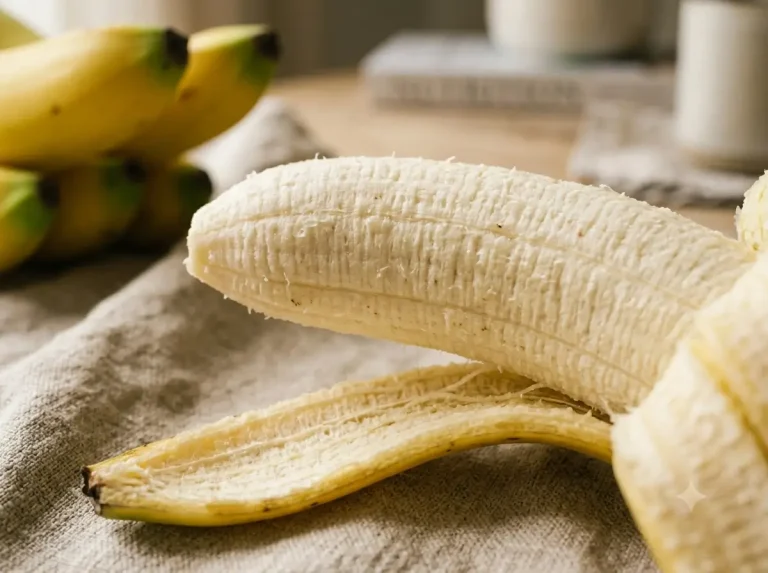
Banana
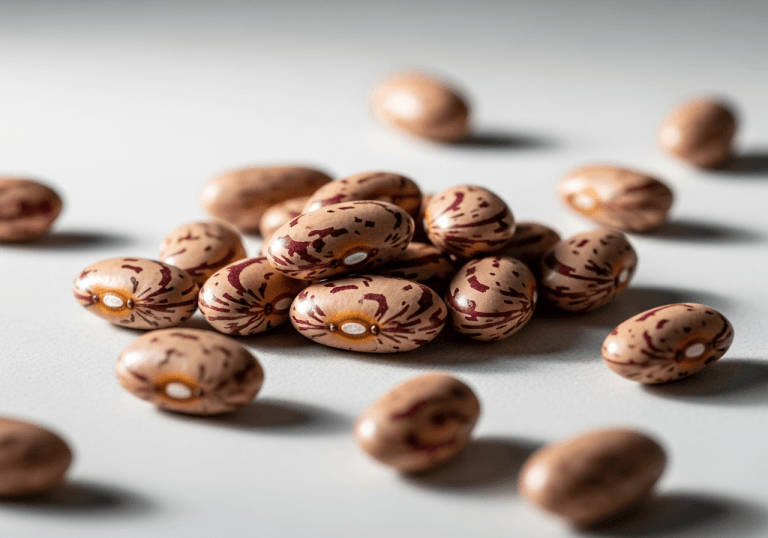
Pinto Beans

Wholewheat Pasta
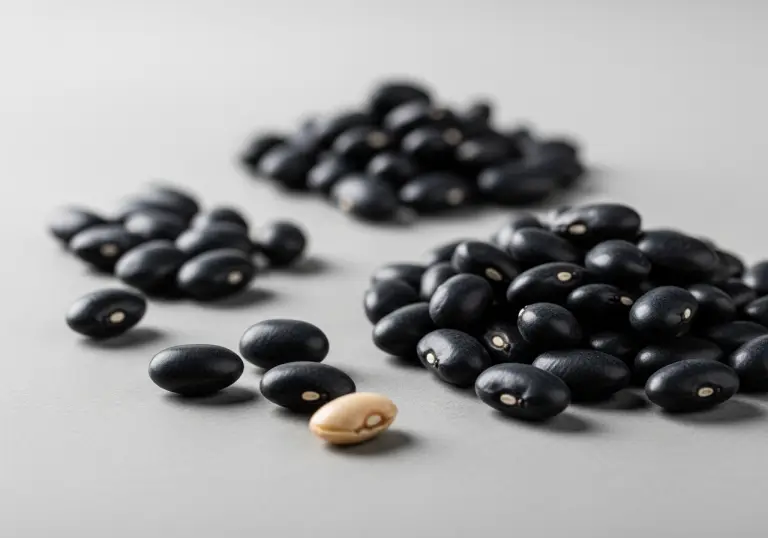
Black Beans
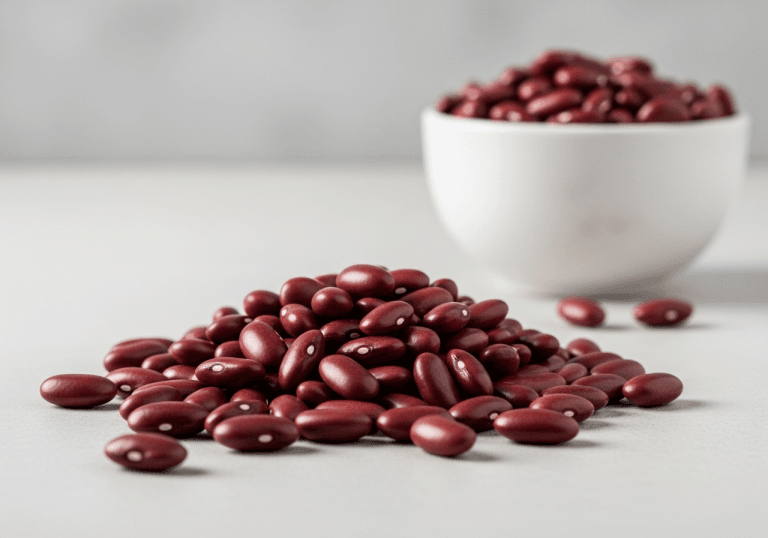
Kidney Beans
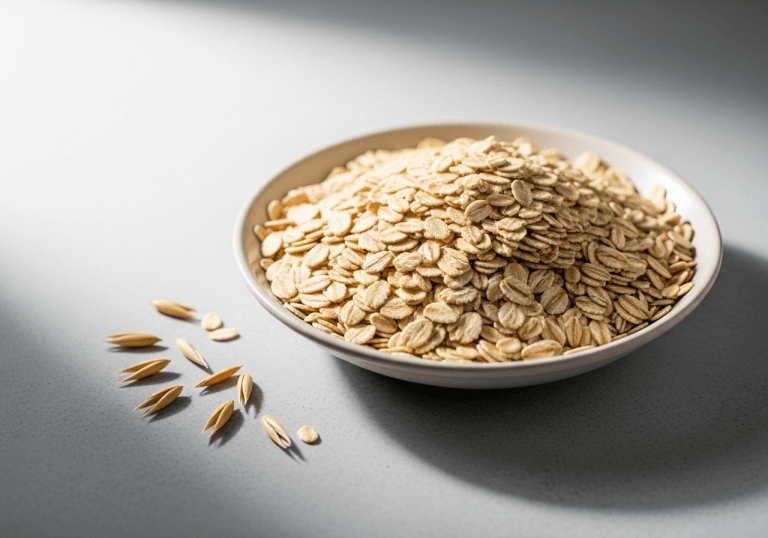
Oats
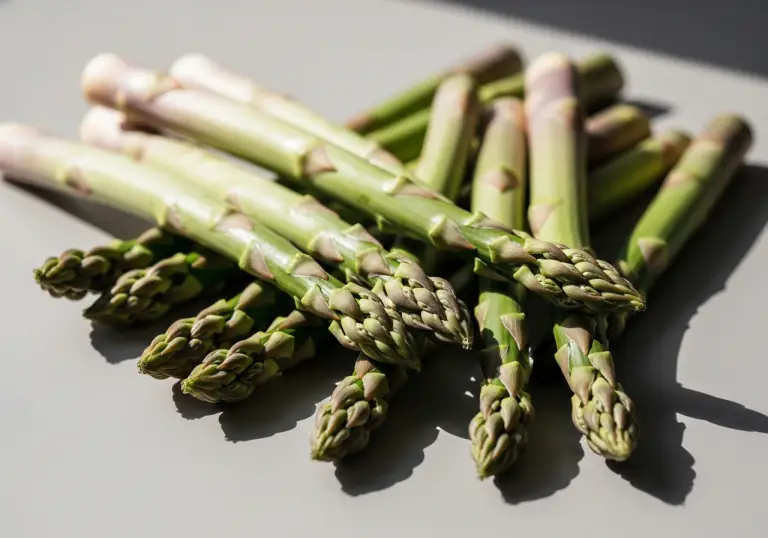
Asparagus
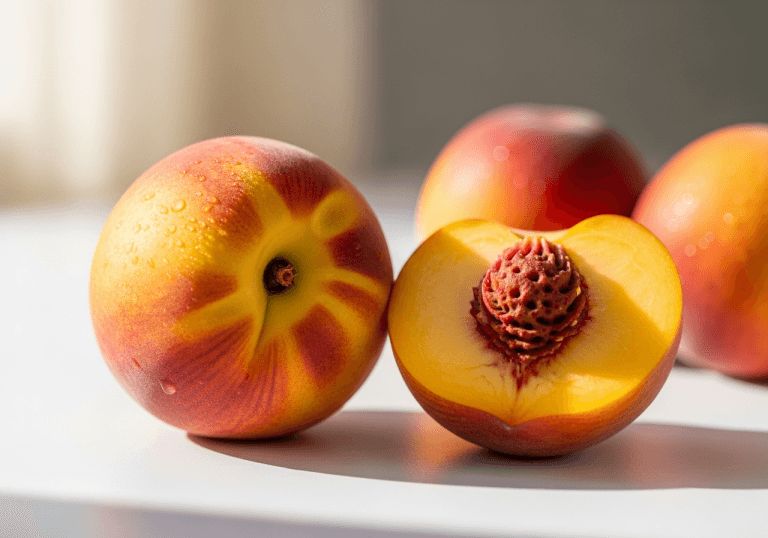
Peach
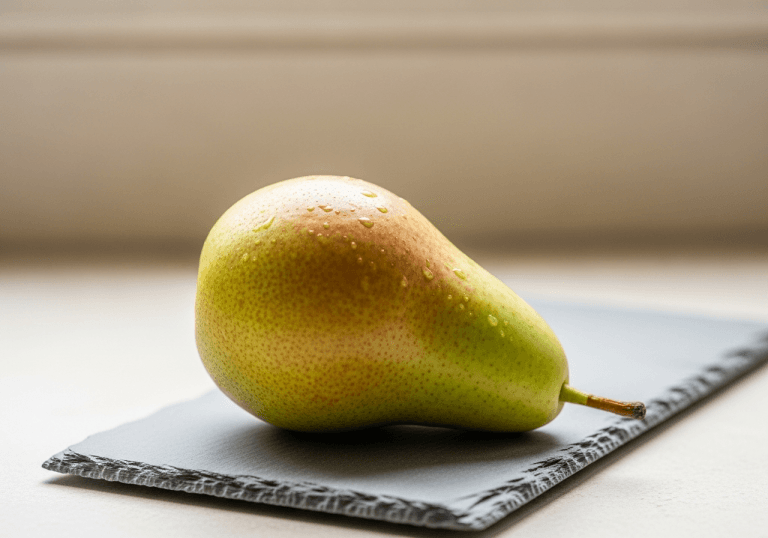
Pear
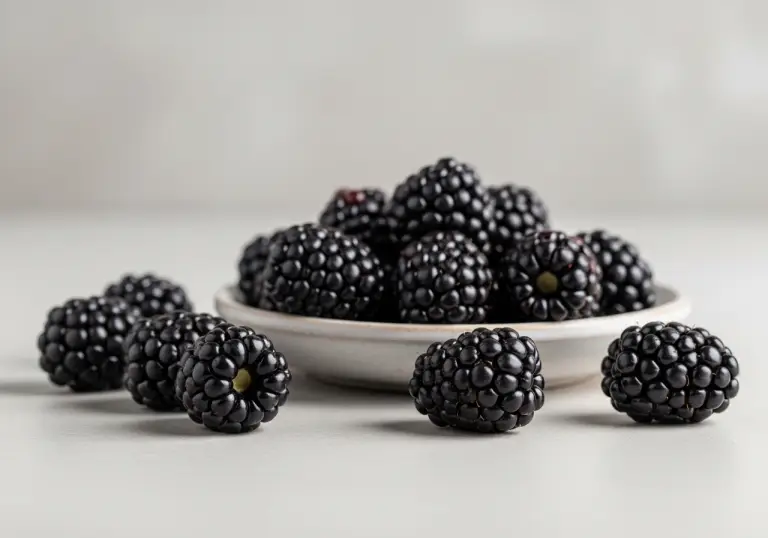
Blackberries
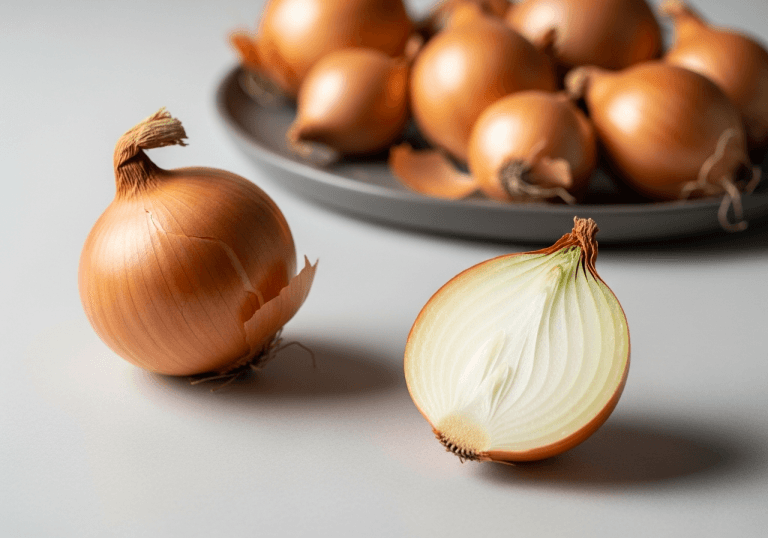
Onion
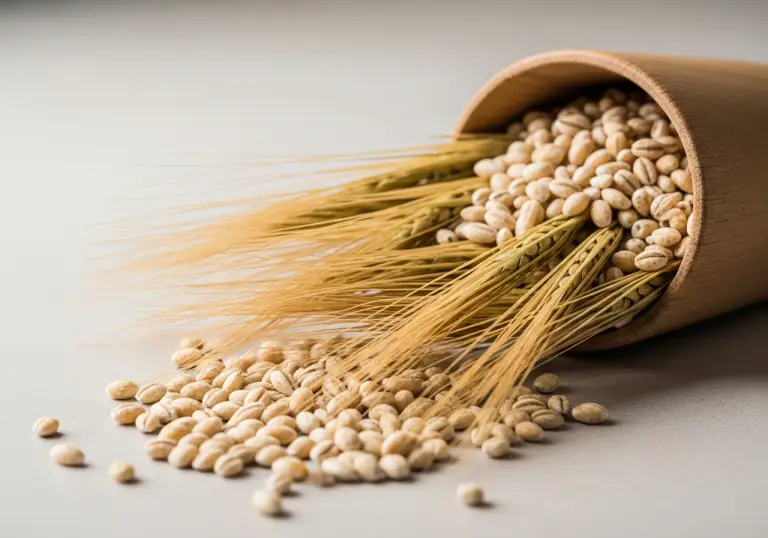
Barley
The other 15 foods tagged for Gut Health
Key compounds linked to Gut Health
Biomarkers worth tracking
Recipes to try
Common questions
What’s the difference between fibre and a prebiotic like inulin? All prebiotics are a type of fibre, but not all fibre is prebiotic — prebiotics specifically feed beneficial gut bacteria, while other fibre types mainly add bulk or slow digestion without that same fermentation effect. Foods like chickpeas, oats and flaxseed contain a useful mix of both.
How much fibre should I be eating for gut health? Most Western diets fall well short of the commonly cited 25-30g a day target, so for most people the practical advice is simply to increase intake gradually, via legumes, whole grains, fruit and vegetables, rather than aim for a precise number.
Explore other health goals
- Best Foods for Heart Health
- Best Foods for Blood Sugar Control
- Best Anti-Inflammatory Foods
- Best Foods for Bone Health
- Best Foods for Brain Health
- Best Foods for Energy and Performance
- Best Foods for Immune Support
- Best Foods for Skin Health
- Best Foods for Weight Management
- Best Foods for Better Sleep
- Best Foods for Eye Health
- Best Foods for Weight Gain
- Best Foods for Muscle Growth
- Best Foods for Healthy Hair
- Best Foods for Liver Health