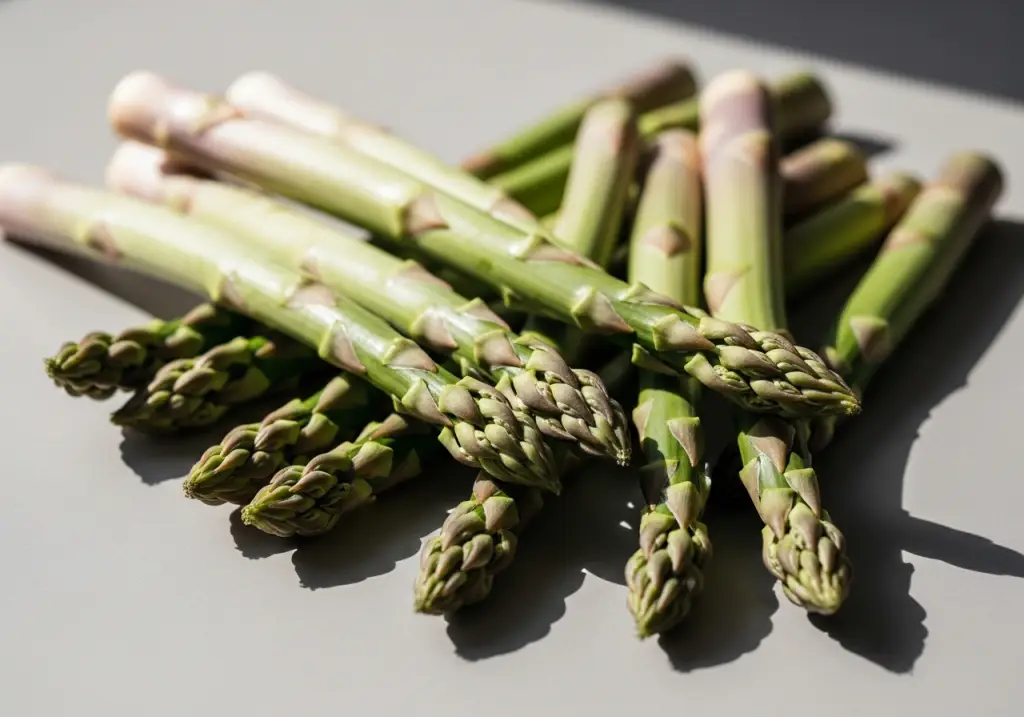
Asparagus is one of the most nutrient-dense vegetables per calorie, delivering meaningful folate, vitamin K, vitamin C and inulin — a soluble prebiotic fibre that feeds beneficial gut bacteria. That combination is why asparagus appears in research on gut health and heart health.
Compounds & anti-nutrients in Asparagus
Per 100 g, Asparagus is a notable dietary source of these active compounds. Tap any to see its full sources map and how to work with it.
Why asparagus is good for you
Asparagus supplies more folate per 100 g than most vegetables, which matters for cell division and homocysteine metabolism — elevated homocysteine is a cardiovascular risk marker. The inulin content is unusual for a vegetable and prebiotic in effect, supporting Bifidobacteria and lactobacilli in the colon. Asparagus also contains saponins and flavonoids with anti-inflammatory properties, and it is a natural diuretic because of the amino acid asparagine.
Asparagus nutrition at a glance
The label shows the numbers, but the practical message is that asparagus is a low-calorie, micronutrient-dense spring vegetable with a genuine prebiotic edge. The main quality variable is freshness: asparagus loses sugar and fibre quickly after cutting, so eat it within a few days of purchase.
How to buy, store and cook asparagus
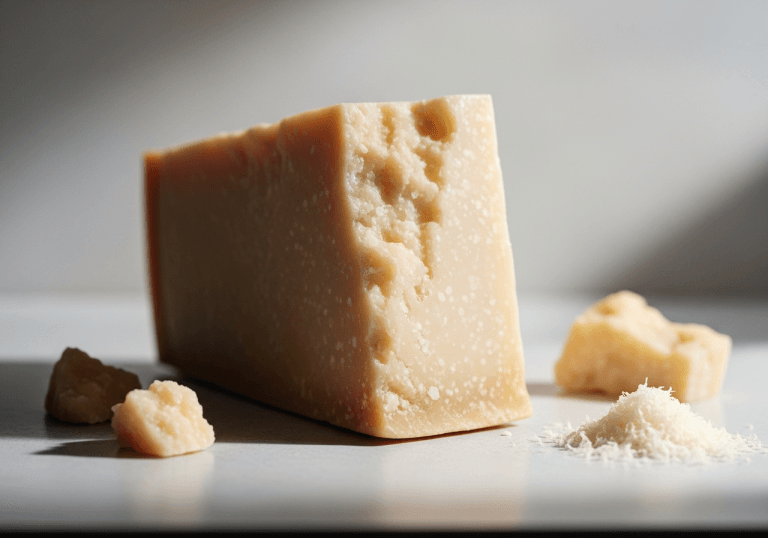
Choose spears with tight, closed tips and firm, smooth stalks. Store in the fridge standing in a glass of water, or wrapped in a damp paper towel, and use within a few days. Snap off the woody ends where they break naturally. Roast, grill, steam or sauté — asparagus is versatile and cooks in minutes. Overcooking makes it mushy and dulls the colour. Asparagus pairs well with eggs, olive oil, parmesan and lemon.
Common questions
Why does asparagus make urine smell? The sulphur compounds in asparagus are metabolised into odorous breakdown products. Not everyone can detect the smell; the ability is genetic.
Is asparagus a diuretic? Yes — the amino acid asparagine increases urine production, which is why asparagus has historically been used for mild water retention.
Explore by health goal
Asparagus is one of many foods that support these goals: