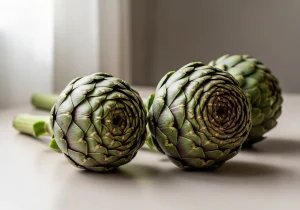
Artichoke
One of the highest-fibre vegetables available, artichokes also supply cynarin for liver support and inulin prebiotic fibre.
One of the highest-fibre vegetables available, artichokes also supply cynarin for liver support and inulin prebiotic fibre.
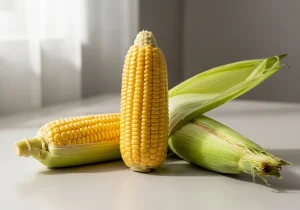
Whole corn is a useful source of lutein, zeaxanthin and fibre for eye and heart health, but has a high glycaemic index.
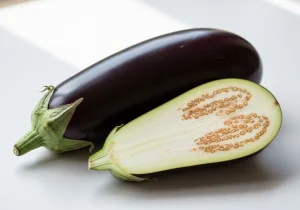
Eggplant skin contains nasunin, a brain-protective anthocyanin antioxidant, and the flesh provides fibre for heart health.

Rhubarb stalks are high in fibre and vitamin K, but the leaves are poisonous — only the stalks should be eaten.

Potatoes are a cheap, nutrient-dense energy source with more potassium than bananas, especially when cooled to increase resistant starch.

Pumpkin flesh is one of the richest sources of beta-carotene, and the seeds supply zinc and magnesium for immune and muscle health.
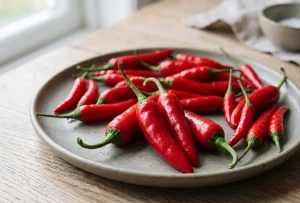
Chilli pepper is far more than the heat it brings to a dish — gram for gram, a fresh red chilli is one of the richest sources of
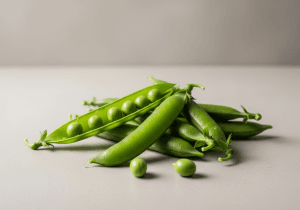
Green peas — the garden peas most of us grew up shelling or tipping frozen into a pan
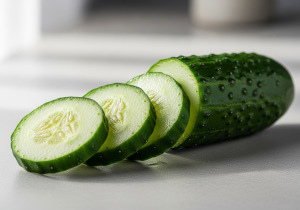
Cucumber is 95% water with silica and potassium, useful for hydration, skin health and gut regularity.
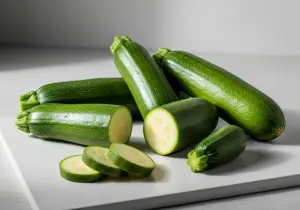
Courgette (known as zucchini in much of the world) is a tender summer squash that is roughly nine-tenths
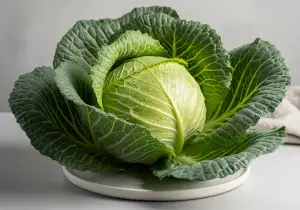
One of the cheapest sources of vitamin C among vegetables, cabbage also supplies glucosinolates and fibre for heart and gut health.
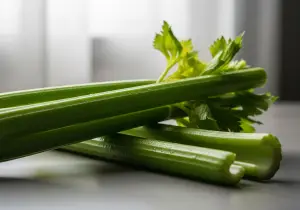
Celery is mostly water, which is exactly what makes it so useful: it delivers crunch, hydration and a