Muscle is built by training; food decides whether the training has anything to work with. Two things matter and the rest is detail: enough total protein spread across the day, and enough total energy that your body is not spending the protein on fuel instead. Neither is exotic, and neither is a supplement.
The foods below are the protein sources in this database, ranked by protein per 100 g. Read that as protein density rather than a shopping order: parmesan heads the list at 35.8 g, but it is eaten 10–20 g at a time grated over something, while chicken, fish and pulses are eaten in 100–200 g portions and so translate far more directly. For the full ranking across every food we hold, see foods high in protein; if the goal is gaining size rather than staying lean, foods for weight gain covers the energy side.
Foods that support Muscle Growth
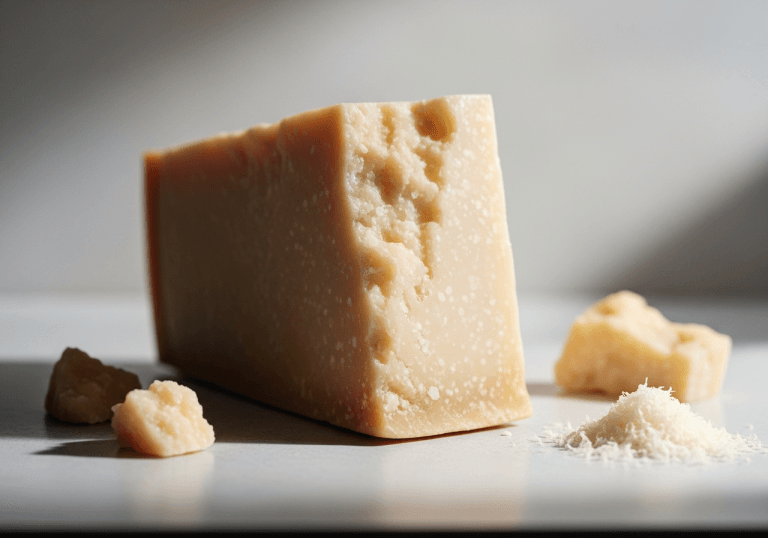
Parmesan
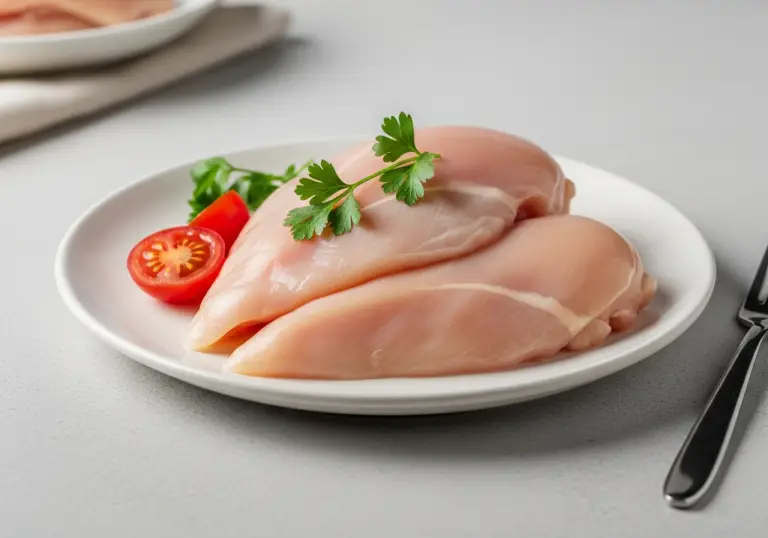
Chicken Breast
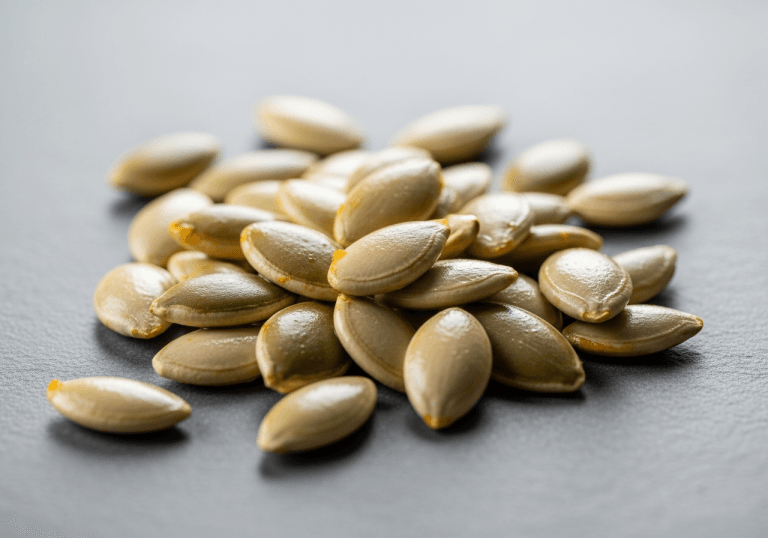
Pumpkin Seeds
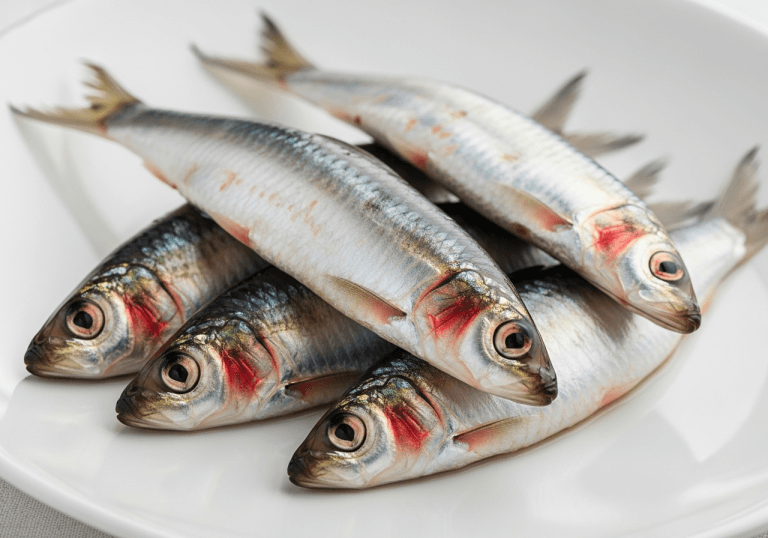
Sardines
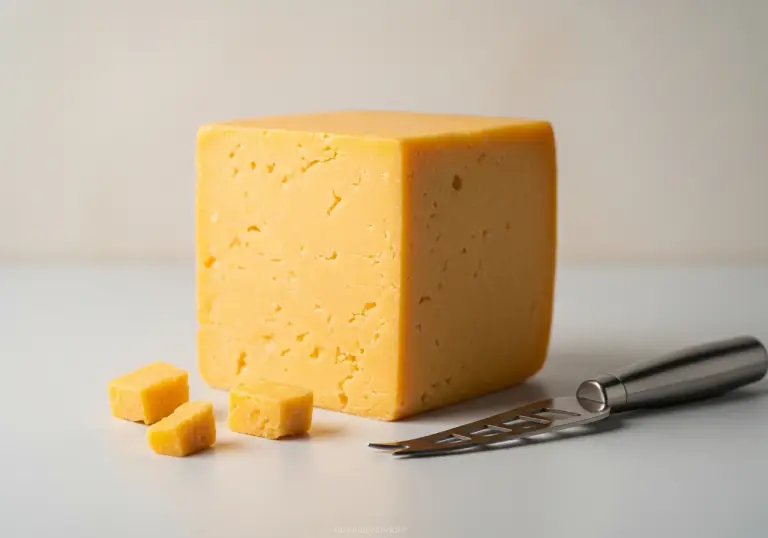
Cheddar Cheese
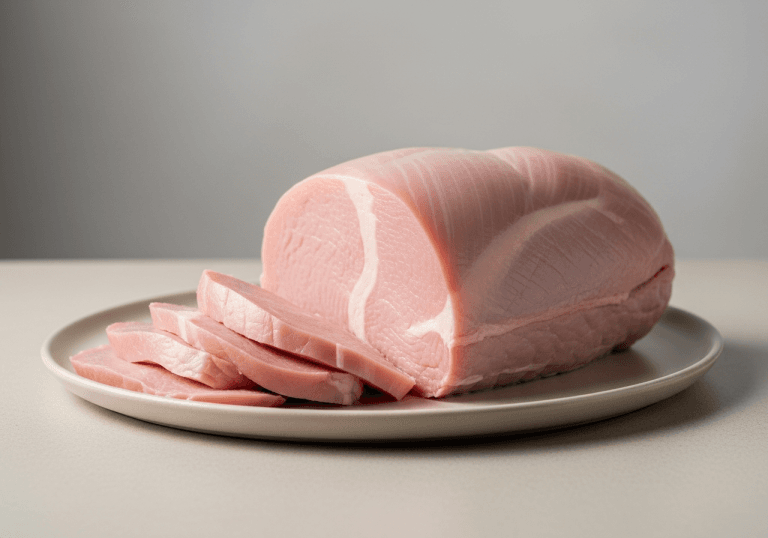
Turkey Breast
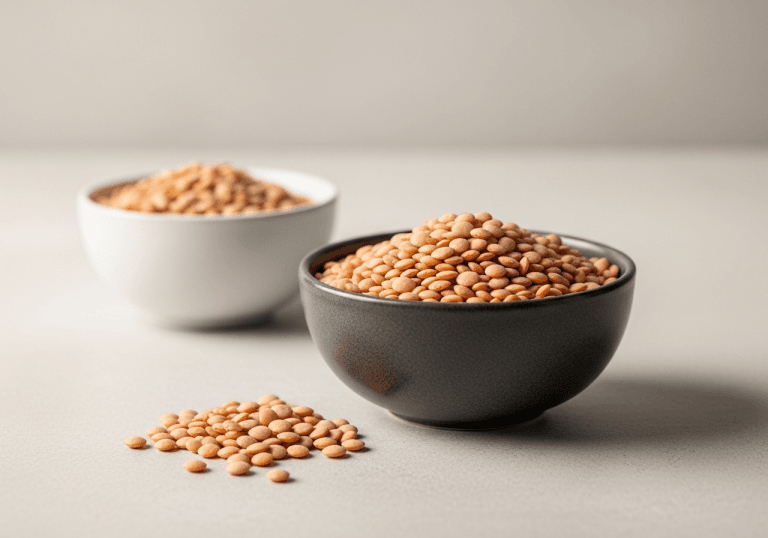
Lentils
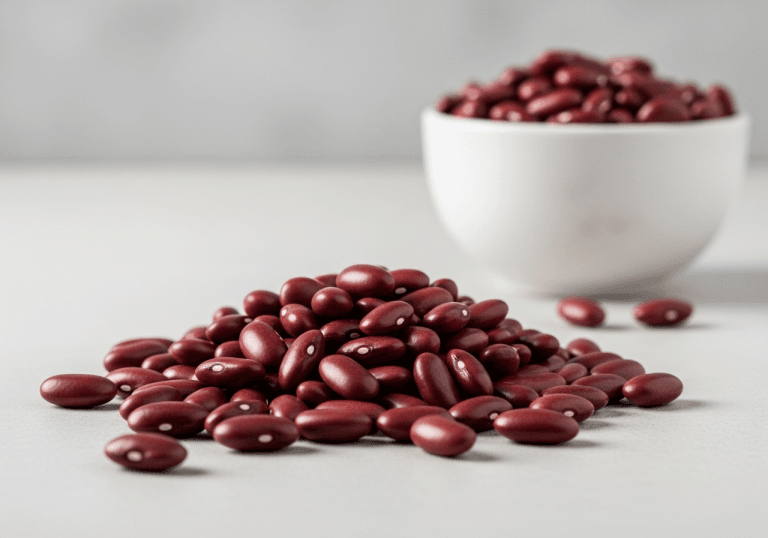
Kidney Beans
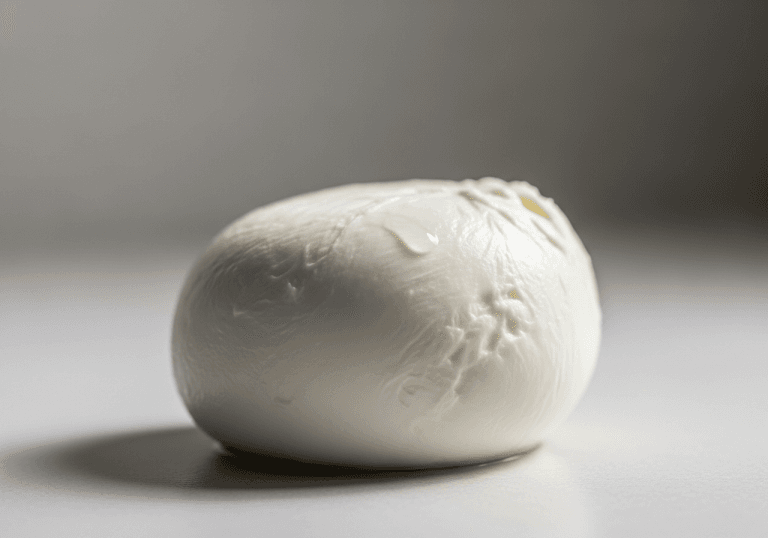
Mozzarella
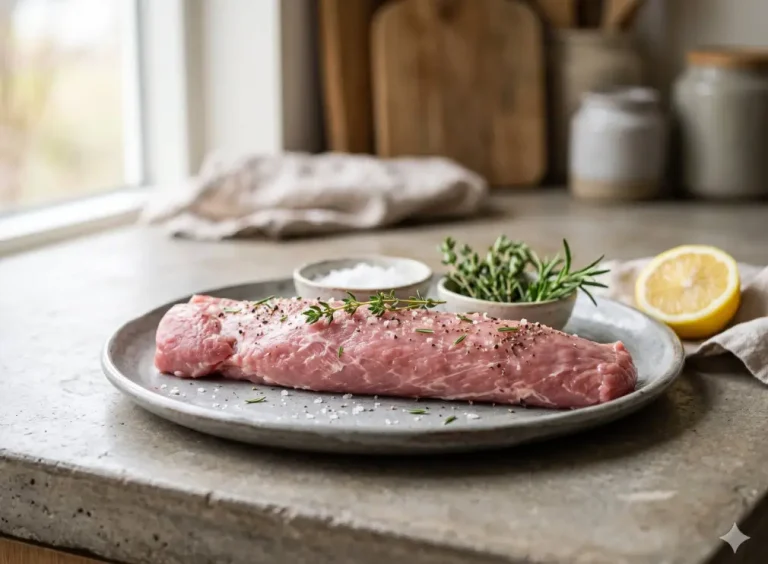
Pork Tenderloin
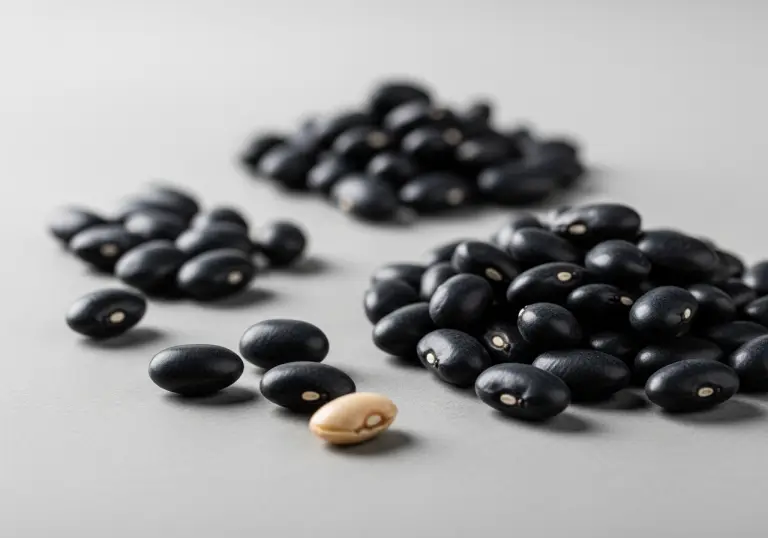
Black Beans
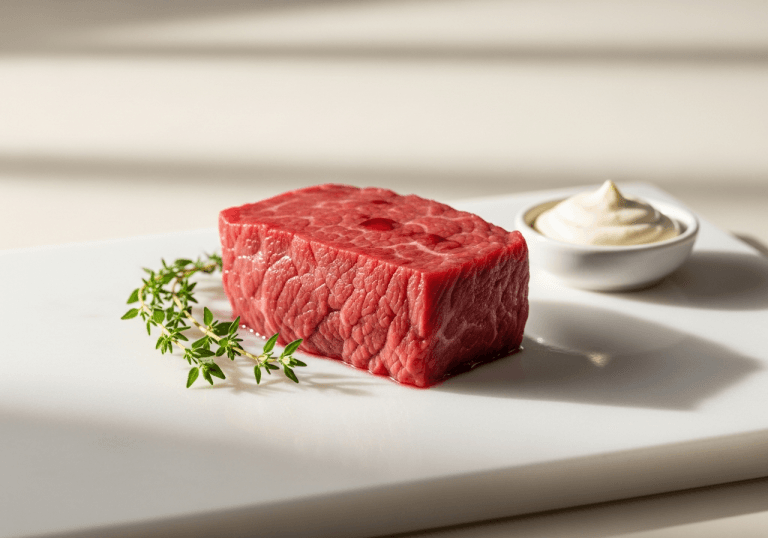
Lean Beef (95% lean)
The other 12 foods tagged for Muscle Growth
Key compounds linked to Muscle Growth
Common questions
How much protein do you need to build muscle? Research on people doing resistance training converges on roughly 1.6 g of protein per kilogram of bodyweight a day, with little further benefit beyond about 2.2 g/kg. That is reachable on ordinary food, and generally easier spread across meals than loaded into one. Higher intakes are not harmful in healthy people, they simply stop adding anything; anyone with kidney disease should set protein intake with their own clinician.
Do you need protein straight after a workout? Less urgently than supplement marketing suggests. Total protein across the day matters considerably more than the timing of any single serving, and the useful window after training appears to run for hours rather than minutes. An ordinary meal within a few hours of finishing covers it.
Can you build muscle on a vegetarian or vegan diet? Yes. Plant sources are individually lower in one or another essential amino acid, particularly leucine, which is the one most closely tied to triggering muscle protein synthesis — so the practical adjustments are somewhat more total protein and varying the sources across the day. Tempeh, lentils, chickpeas, black beans and kidney beans all sit above 20 g per 100 g here, and soy is a complete protein. See high-protein vegetarian foods.
Which foods contain creatine? Meat and fish, in small amounts — pork tenderloin, beef, salmon and trout are the richest sources in this database at roughly 0.3–0.5 g per 100 g. Food alone delivers well under a typical supplemental dose, which is part of why supplementing is common in strength sport. This page maps where creatine occurs in food; see creatine.
See also energy and performance for the fatigue and endurance side.
Explore other health goals
- Best Foods for Heart Health
- Best Foods for Blood Sugar Control
- Best Anti-Inflammatory Foods
- Best Foods for Bone Health
- Best Foods for Brain Health
- Best Foods for Energy and Performance
- Best Foods for Gut Health
- Best Foods for Immune Support
- Best Foods for Skin Health
- Best Foods for Weight Management
- Best Foods for Better Sleep
- Best Foods for Eye Health
- Best Foods for Weight Gain
- Best Foods for Healthy Hair
- Best Foods for Liver Health