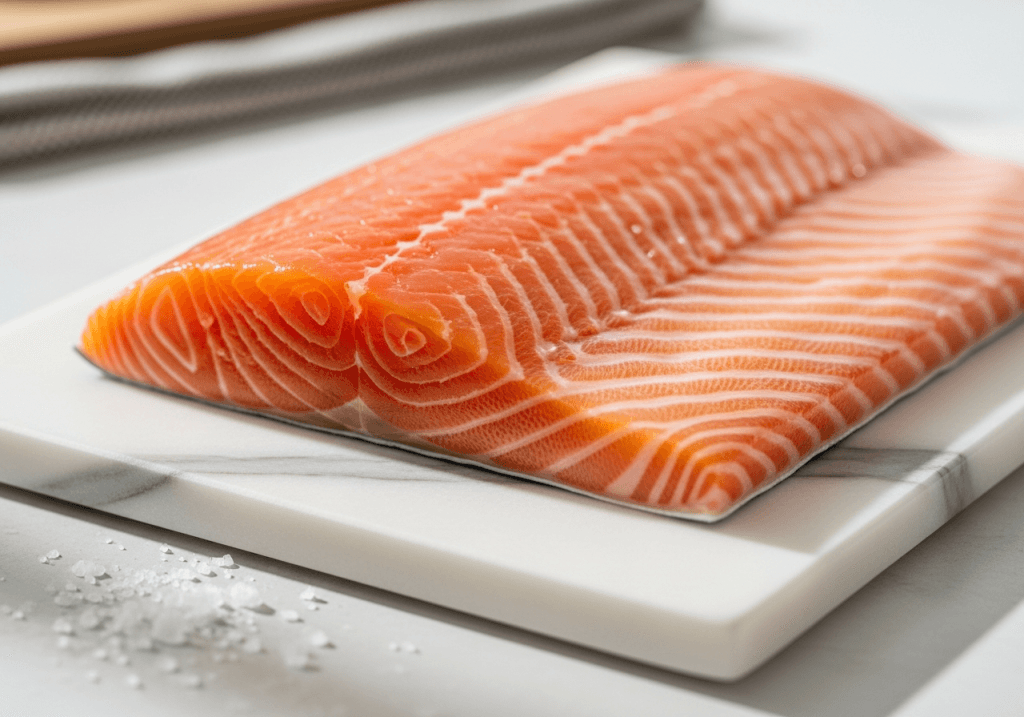
Salmon is the flagship omega-3 food, and its nutrition profile explains why it appears in almost every major cardiovascular and cognitive health trial. A single 100 g cooked portion delivers complete protein, anti-inflammatory long-chain fats and one of the few meaningful food sources of vitamin D. That combination is why it is consistently linked to heart health, brain health and anti-inflammatory effects.
Compounds & anti-nutrients in Salmon (Atlantic)
Per 100 g, Salmon (Atlantic) is a notable dietary source of these active compounds. Tap any to see its full sources map and how to work with it.
Why salmon is good for you
The headline reason to eat salmon is its long-chain omega-3s: EPA and DHA, at roughly 2 g per 100 g cooked. These fats are the direct, bioactive forms your body uses for cell membranes, brain structure and the resolution of inflammation — no conversion step required, unlike the plant omega-3 ALA in flaxseed or walnuts. Salmon also supplies vitamin D, vitamin B12 and selenium, nutrients that frequently sit below optimal in northern latitudes where oily fish is one of the few reliable dietary sources.
Salmon nutrition at a glance
The full numbers appear in the label, but the practical takeaway is efficiency: salmon gives you premium protein and fat together, with almost no carbohydrate. The omega-3 content is the reason two servings a week is the benchmark most heart-health guidelines recommend — and the reason salmon, rather than white fish, tends to dominate the evidence base for fish intake.
How to buy, store and cook salmon
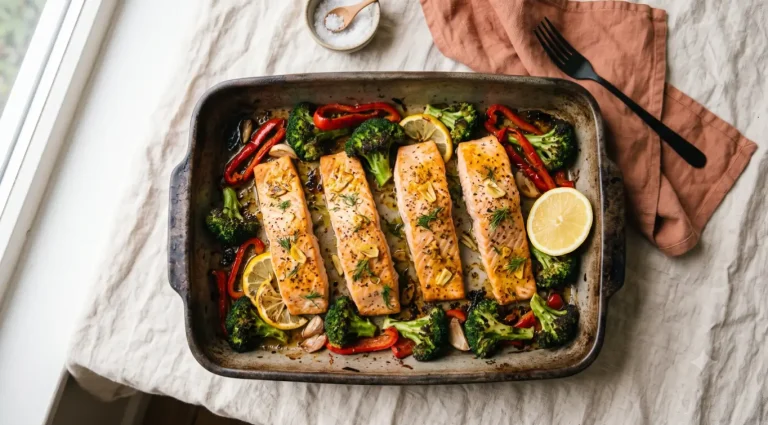
Wild salmon generally carries a higher omega-3 density and a firmer texture; farmed salmon is usually cheaper, consistently available and still nutritious. Store fresh salmon coldest in the fridge and cook within a day or two, or freeze it for longer storage. Simple preparations — roasted with olive oil and herbs, pan-seared skin-side down, or baked with lemon and dill — preserve the fats better than deep-frying. It pairs beautifully with sweet potato and broccoli for a complete meal.
Common questions
Is farmed salmon as good as wild? Farmed salmon is still a very good source of EPA and DHA, though wild tends to be slightly higher. For most people the difference is small compared with the benefit of eating salmon at all.
How much salmon should I eat? Two servings a week is the most commonly cited target in cardiovascular research — roughly 200–300 g total. More is fine for most people; the main caveat is keeping an eye on overall fat intake if you are eating very large portions.
Explore by health goal
Salmon (Atlantic) is one of many foods that support these goals: