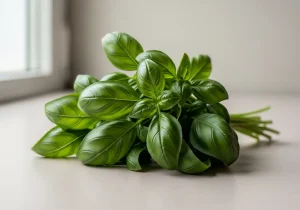
Basil
Basil’s essential oils — eugenol, linalool and rosmarinic acid — give it anti-inflammatory and antimicrobial properties beyond its culinary role.
Basil’s essential oils — eugenol, linalool and rosmarinic acid — give it anti-inflammatory and antimicrobial properties beyond its culinary role.
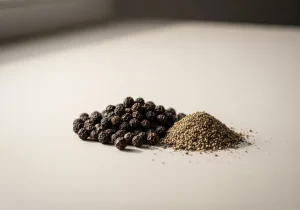
Piperine, black pepper’s active compound, increases curcumin bioavailability by around 2000% and supports digestion independently.
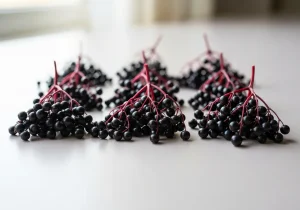
Elderberry is one of the best-studied natural remedies for upper respiratory infections, with anthocyanins and polyphenols that reduce cold duration.
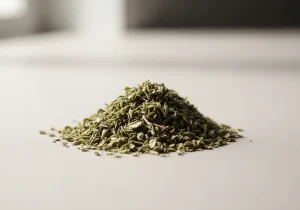
Carvacrol and rosmarinic acid make oregano one of the most antioxidant-rich herbs, with documented antimicrobial and anti-inflammatory effects.
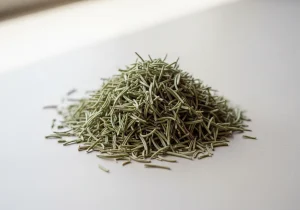
Rosmarinic acid, carnosol and ursolic acid give rosemary documented antioxidant, anti-inflammatory and neuroprotective effects beyond its culinary role.
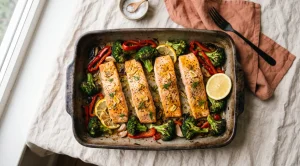
Everything roasts on one tray: salmon fillets tucked among broccoli florets and red pepper, all turned through garlic,
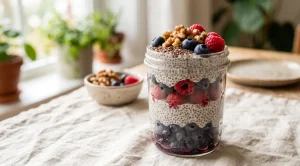
Made the night before, ready when you are: chia seeds set into a soft pudding with milk, then
EGCG, or epigallocatechin gallate, is the signature catechin of green tea and the most studied of all the tea polyphenols. It is the compound behind much
Capsaicin is the fiery compound that gives chilli peppers their heat, a plant defence molecule that evolved to deter animals but which humans have embraced with
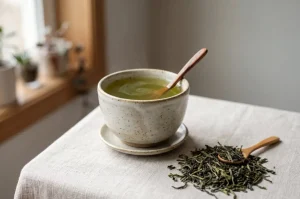
Green tea is one of the most studied drinks in the world, and almost none of its value comes from calories — a brewed cup is essentially flavoured
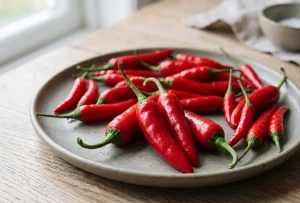
Chilli pepper is far more than the heat it brings to a dish — gram for gram, a fresh red chilli is one of the richest sources of
Ellagic acid is a polyphenol prized for its antioxidant strength, found above all in berries and certain nuts. In whole foods it is often bound up