Gingerol
Gingerol is the warming, peppery compound that gives fresh ginger its characteristic heat and much of its renown as a folk remedy. Chemically a cousin of
Gingerol is the warming, peppery compound that gives fresh ginger its characteristic heat and much of its renown as a folk remedy. Chemically a cousin of
Betalains are the vivid red-violet and yellow pigments that give beetroot its dramatic colour, staining a chopping board and famously tinting the plate. This unusual family
Manganese is a trace mineral present in the body in only small amounts, yet it sits at the heart of several essential enzymes governing bone formation,
Omega-3s are a family of essential polyunsaturated fats the body cannot make in meaningful amounts, so they must come from the plate. The two with the
Vitamin E is the body’s premier fat-soluble antioxidant, a family of compounds led by alpha-tocopherol that stations itself within cell membranes to fend off damage. It
Selenium is a trace mineral the body needs only in tiny amounts, yet its influence is far-reaching. It forms the active core of selenoproteins — specialised
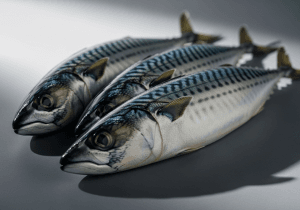
Mackerel is one of the most nutritious fish you can buy, and one of the most affordable oily
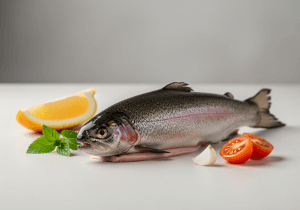
Rainbow trout is one of the most approachable oily fish on the fishmonger’s slab: milder and less assertive
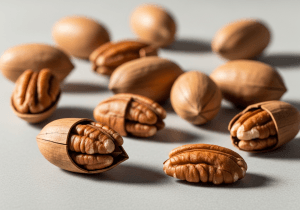
Pecans are the buttery, mellow tree nut at the heart of the famous pie, but their nutrition deserves
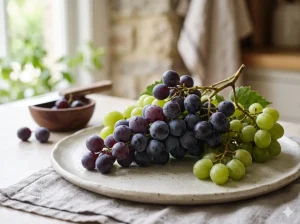
Grapes are one of the oldest cultivated fruits, and their appeal goes well beyond being a convenient sweet
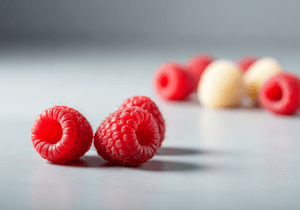
Raspberries are one of the most fibre-rich fruits you can eat — those little hollow drupelets are essentially
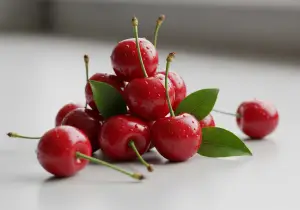
Cherries are one of summer’s most concentrated sources of colourful plant pigments, and that rich red is more