Cinnamon is the bark of the Cinnamomum tree, and it is one of the most studied spices for blood-sugar regulation. Its active compound cinnamaldehyde, alongside polyphenols called type A procyanidins, improves insulin sensitivity and reduces fasting glucose in people with metabolic syndrome and type 2 diabetes. That mechanism is why cinnamon appears in research on blood sugar control and heart health.
Compounds & anti-nutrients in Cinnamon
Per 100 g, Cinnamon is a notable dietary source of these active compounds. Tap any to see its full sources map and how to work with it.
Why cinnamon is good for you
The blood-sugar evidence is the strongest for cinnamon: meta-analyses show modest reductions in fasting glucose and HbA1c, especially in people with poorer baseline control. The mechanism is partly improved insulin receptor sensitivity and partly inhibition of carbohydrate-digesting enzymes. Cinnamon also supplies manganese, calcium and fibre, and it has antimicrobial properties. The caveat is coumarin in Cassia cinnamon — the common supermarket variety — which can damage the liver in large doses. Ceylon cinnamon contains much less coumarin.
Cinnamon nutrition at a glance
The label shows the numbers, but the practical message is that cinnamon is a cheap, flavour-rich spice with a genuine blood-sugar edge. Use Ceylon cinnamon if you consume it daily; Cassia is fine for occasional use.
How to buy and use cinnamon
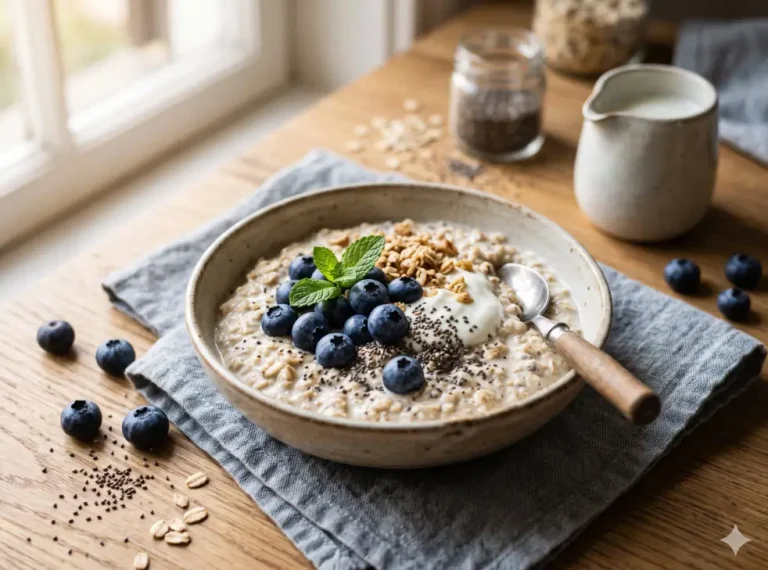
Choose Ceylon cinnamon sticks or ground powder for daily use; Cassia cinnamon is acceptable for occasional baking. Store away from light and heat. Use cinnamon in porridge with oats and blueberries, in curries with turmeric and garlic, or sprinkled on banana and Greek yoghurt. A daily dose of 1–2 g is enough for the evidence-based benefits.
Common questions
Can cinnamon lower blood sugar? Yes, modestly. The effect is clearest in people with type 2 diabetes or metabolic syndrome, and weaker in healthy people with normal glucose control.
Is Ceylon cinnamon better? Yes for frequent use — it contains far less coumarin, the liver-toxic compound found in Cassia cinnamon. Ceylon is also more expensive and has a milder flavour.
Explore by health goal
Cinnamon is one of many foods that support these goals: