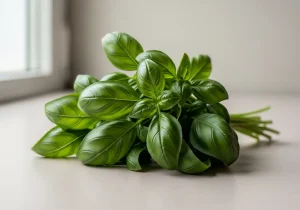
Basil
Basil’s essential oils — eugenol, linalool and rosmarinic acid — give it anti-inflammatory and antimicrobial properties beyond its culinary role.
Basil’s essential oils — eugenol, linalool and rosmarinic acid — give it anti-inflammatory and antimicrobial properties beyond its culinary role.
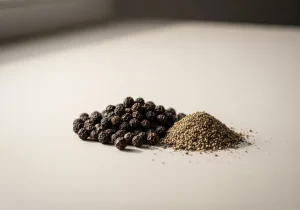
Piperine, black pepper’s active compound, increases curcumin bioavailability by around 2000% and supports digestion independently.
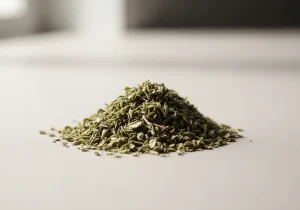
Carvacrol and rosmarinic acid make oregano one of the most antioxidant-rich herbs, with documented antimicrobial and anti-inflammatory effects.
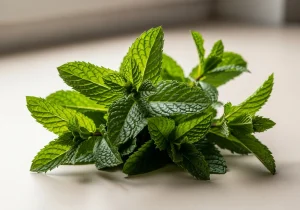
Menthol gives peppermint its cooling effect and smooth-muscle relaxant properties, making peppermint oil one of the best-studied natural IBS remedies.
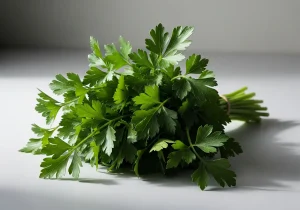
Weight for weight one of the most nutrient-dense greens available, parsley delivers exceptional vitamin K and vitamin C in tiny servings.
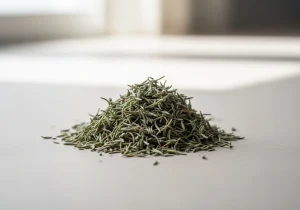
Thymol gives thyme documented antimicrobial and antitussive effects, making it a traditional remedy for coughs and respiratory infections.
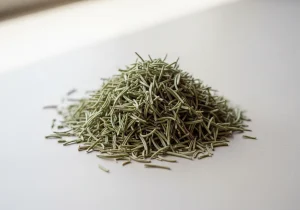
Rosmarinic acid, carnosol and ursolic acid give rosemary documented antioxidant, anti-inflammatory and neuroprotective effects beyond its culinary role.
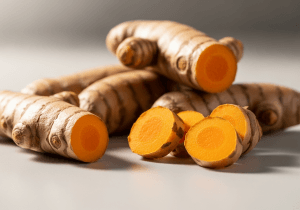
Curcumin is the most studied natural anti-inflammatory compound outside of drugs, but bioavailability is poor without black pepper and fat.
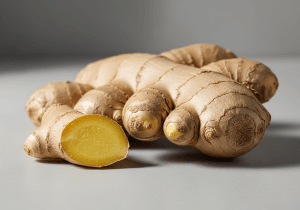
Ginger’s active compounds — gingerols, shogaols and paradols — are among the best-studied plant anti-inflammatory agents, with strong nausea evidence.

One of the most studied spices for blood-sugar regulation, cinnamon’s cinnamaldehyde and procyanidins improve insulin sensitivity in people with metabolic syndrome.