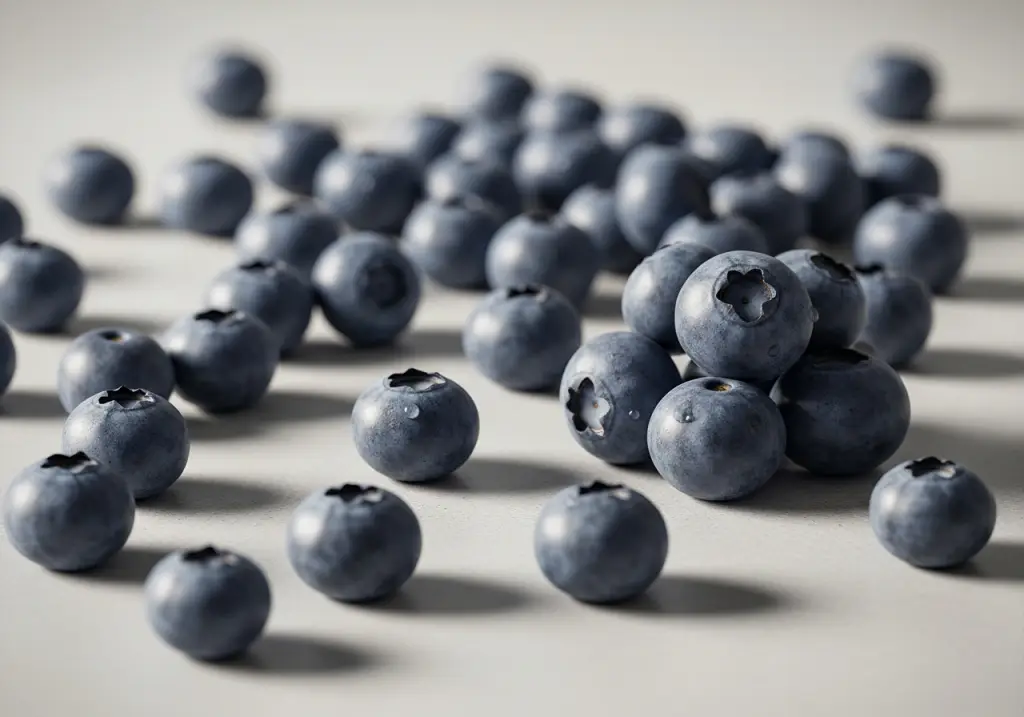
Blueberries are small, but their nutritional profile punches well above their weight. A 100 g serving delivers vitamin C, manganese, fibre and a deep concentration of anthocyanins — the pigments that give blueberries their colour and most of their studied benefits. That mix is why blueberries appear so often in research on brain health, heart health and anti-inflammatory pathways.
Compounds & anti-nutrients in Blueberries
Per 100 g, Blueberries is a notable dietary source of these active compounds. Tap any to see its full sources map and how to work with it.
Why blueberries are good for you
Blueberries are one of the most antioxidant-dense common fruits, and most of that activity comes from anthocyanins. These compounds are studied for their effects on blood vessel function, insulin sensitivity and cognitive performance. One cup a day improved endothelial function and HDL cholesterol in adults with metabolic syndrome over six months in a randomised trial.
Blueberry nutrition at a glance
The label shows the numbers, but the practical message is simple: blueberries are sweet, low-calorie and genuinely nutrient-dense. Their sugar comes packaged with fibre and water, so it digests more gently than a straight sugar figure suggests, and the polyphenol content is unusually high for a fruit this affordable and widely available.
How to buy, store and eat blueberries
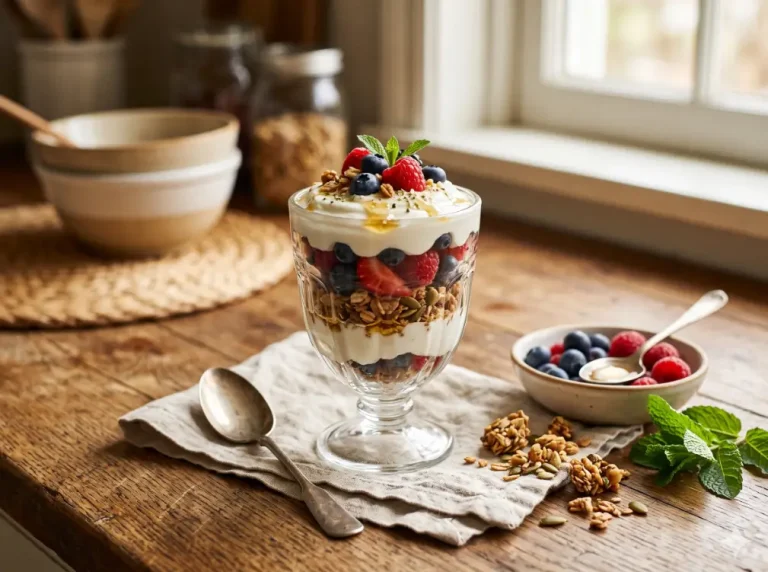
Choose plump, firm berries with a dusty bloom — that waxy coating is natural and protective. Store them dry in the fridge and wash just before eating, because moisture accelerates mould. Fresh is great, but frozen blueberries retain most of their anthocyanins and are often cheaper out of season. Toss them into Greek yoghurt, overnight oats or a smoothie with spinach for a balanced breakfast.
Common questions
Are frozen blueberries as good as fresh? Yes, for antioxidants. Freezing preserves anthocyanins well, and frozen berries are often picked at peak ripeness, when their polyphenol content is highest.
How many blueberries should I eat? Studies that showed benefit typically used around one cup — roughly 150 g — a day. That is a realistic target and easy to fit into breakfast or a snack.
Explore by health goal
Blueberries is one of many foods that support these goals: