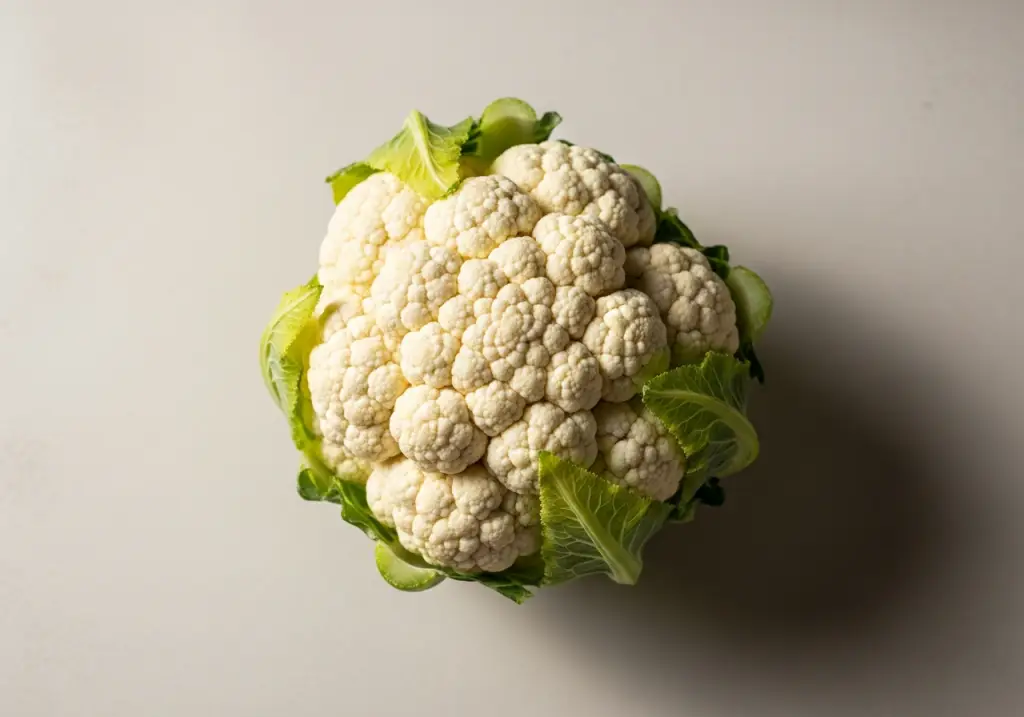
Cauliflower is the most versatile low-carb vehicle in the vegetable kingdom. A 100 g portion delivers roughly 25 kcal, useful vitamin C, folate, vitamin K and glucosinolates — the same anti-cancer compounds found in all cruciferous vegetables. That profile is why cauliflower appears in research on heart health and blood sugar control.
Compounds & anti-nutrients in Cauliflower
Per 100 g, Cauliflower is a notable dietary source of these active compounds. Tap any to see its full sources map and how to work with it.
Why cauliflower is good for you
Cauliflower is about 90% water, with most of the remaining 10% being carbohydrate, but the carbohydrate is mostly fibre and slow-digesting starch. The glucosinolates are the pharmacological interest: they support liver detoxification enzymes and have anti-inflammatory effects. Cauliflower also supplies choline, a nutrient essential for cell membrane structure and neurotransmitter synthesis, and it is one of the few vegetable sources of vitamin B5.
Cauliflower nutrition at a glance
The label shows the numbers, but the practical message is that cauliflower is a neutral-flavoured, low-calorie base that can replace rice, pizza crust, mash and even steak sauce without adding significant calories or carbs.
How to buy and cook cauliflower
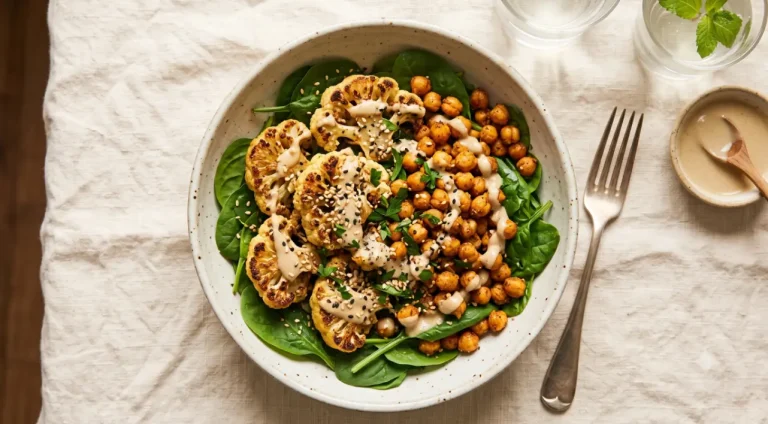
Choose compact, creamy-white heads with no brown spots or yellowing. Store in the fridge for up to a week. Roast at high heat for crispy edges and a nutty flavour, or steam for a gentler side. Cauliflower rice is made by pulsing florets in a food processor and sautéing briefly. Cauliflower pairs well with garlic, turkey, olive oil and cheddar.
Common questions
Is cauliflower keto-friendly? Yes — cauliflower is very low in net carbs, which is why cauliflower rice and cauliflower mash are staples of ketogenic diets.
Does cooking destroy cauliflower’s nutrients? Some vitamin C is lost with heat, but the glucosinolates become more available when the cell walls break down. A mix of raw and cooked cauliflower is ideal.
Explore by health goal
Cauliflower is one of many foods that support these goals: