Chronic, low-grade inflammation is increasingly linked to a wide range of long-term health conditions, from heart disease to joint pain. Diet can’t switch inflammation off entirely, but certain foods and compounds, many of them the pigments and polyphenols that give fruit and vegetables their colour, are consistently associated with lower inflammatory markers in the research. This hub gathers the foods, compounds and the lab marker most relevant to tracking inflammation.
Foods that support Anti-Inflammatory
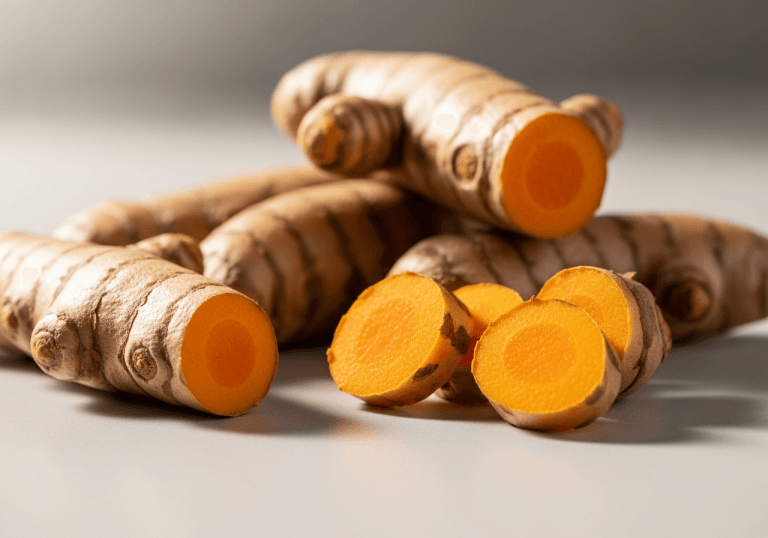
Turmeric
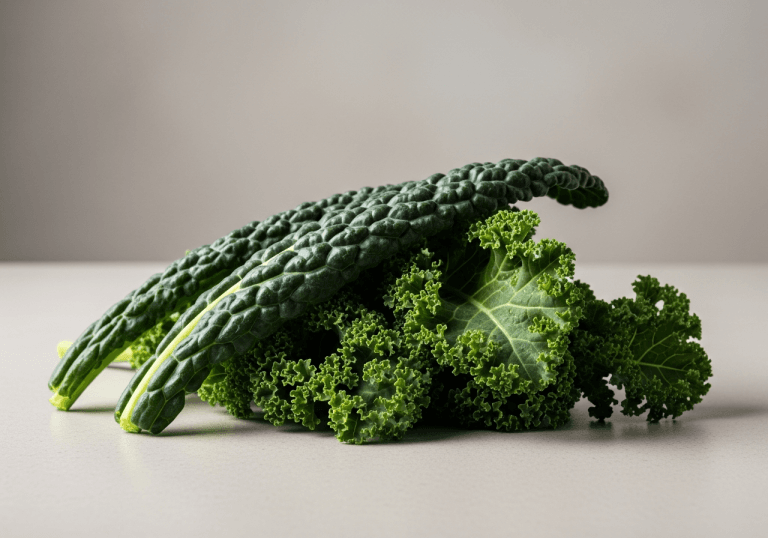
Kale
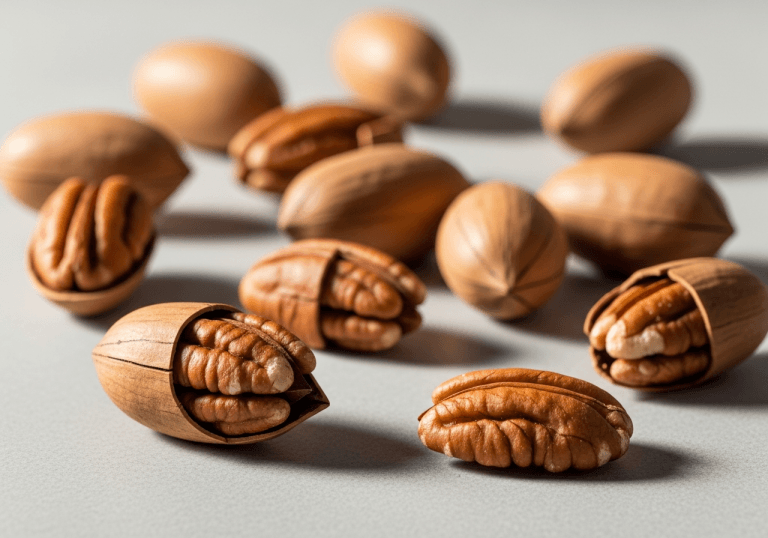
Pecans
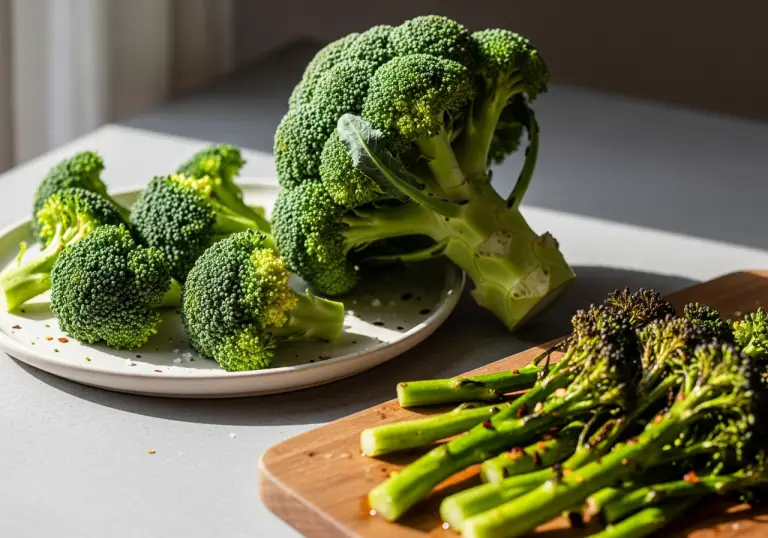
Broccoli
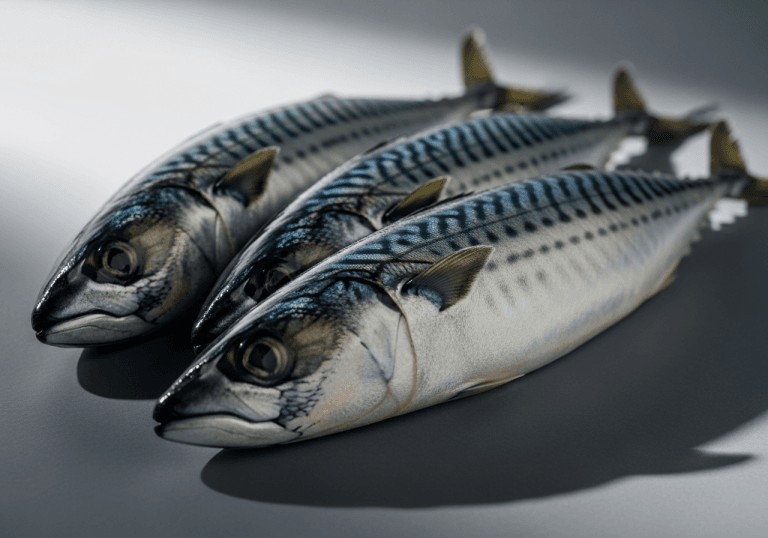
Mackerel
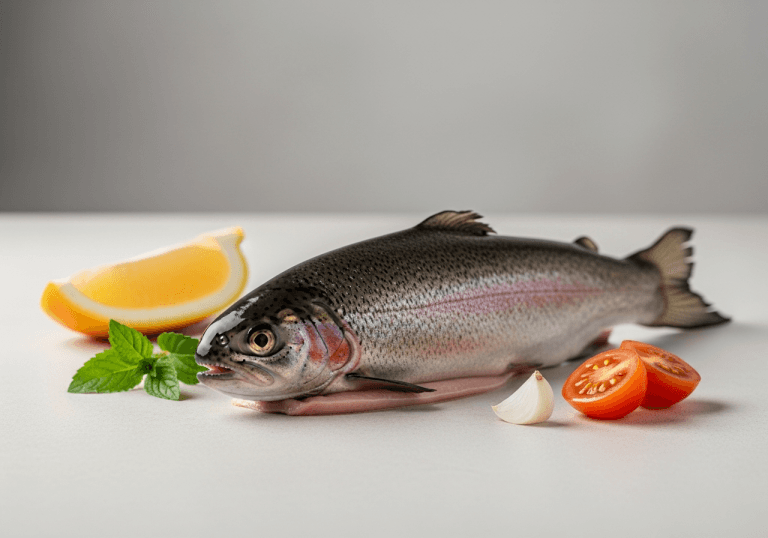
Rainbow Trout
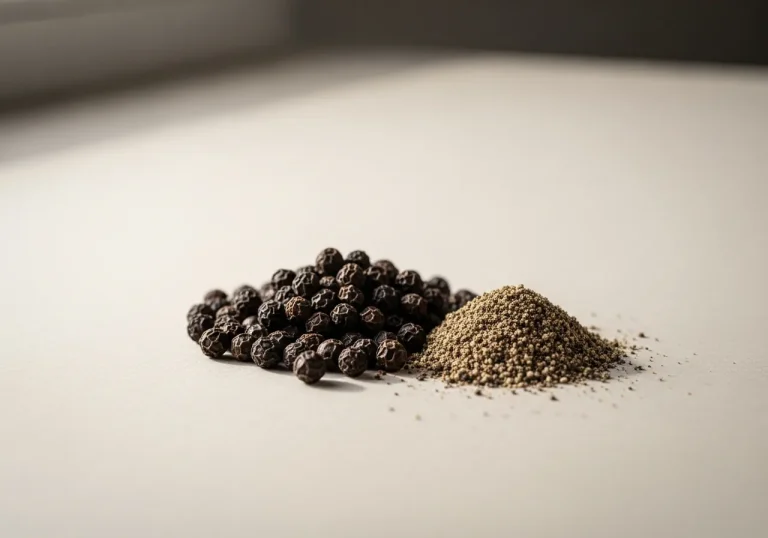
Black Pepper
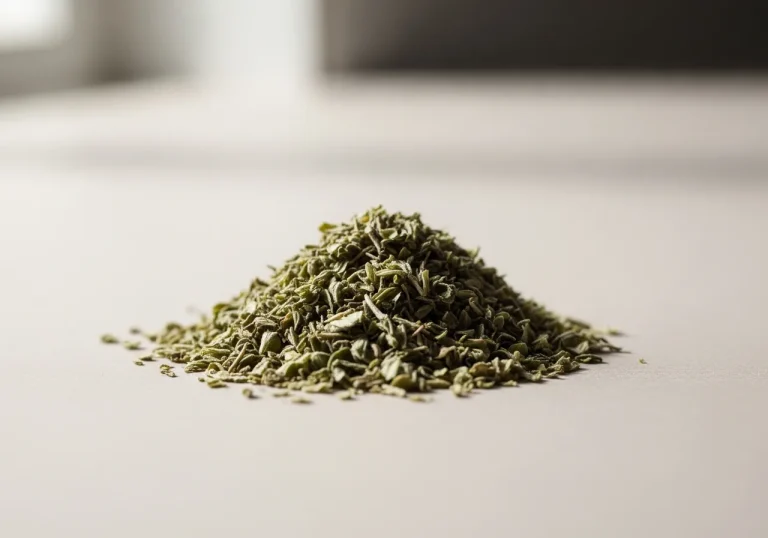
Oregano
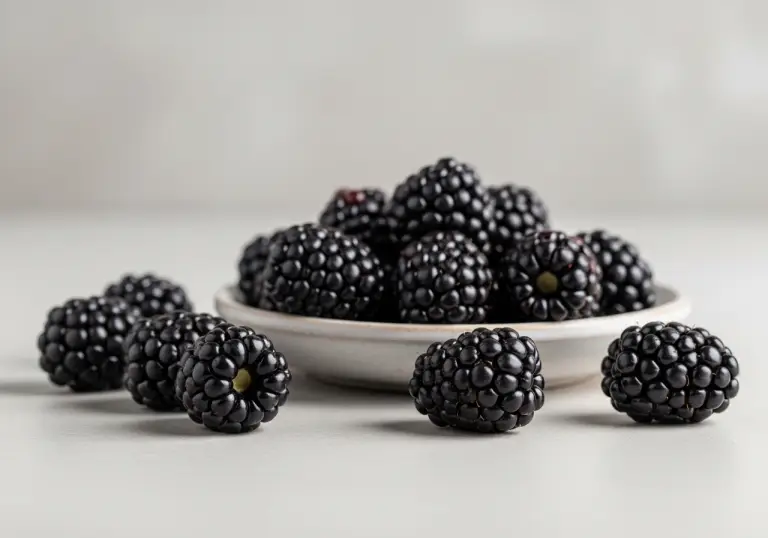
Blackberries
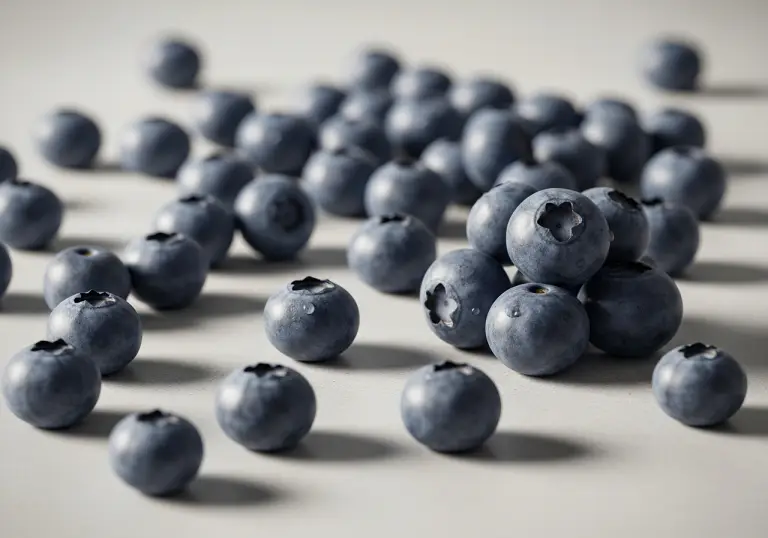
Blueberries
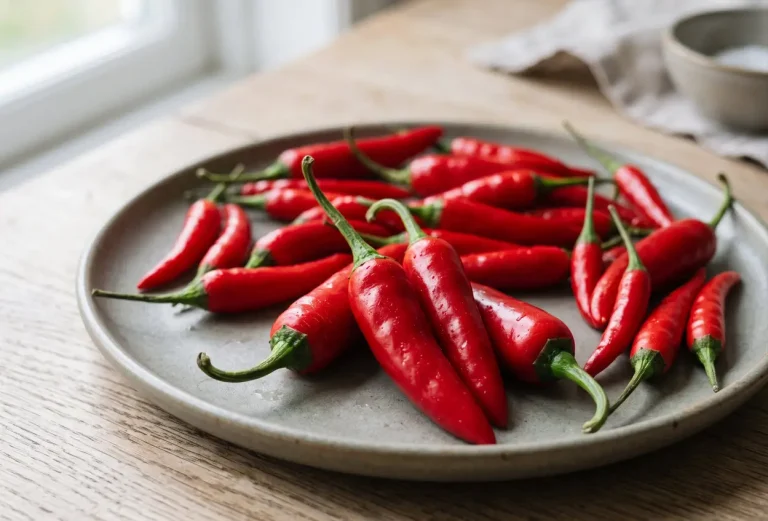
Chilli Pepper
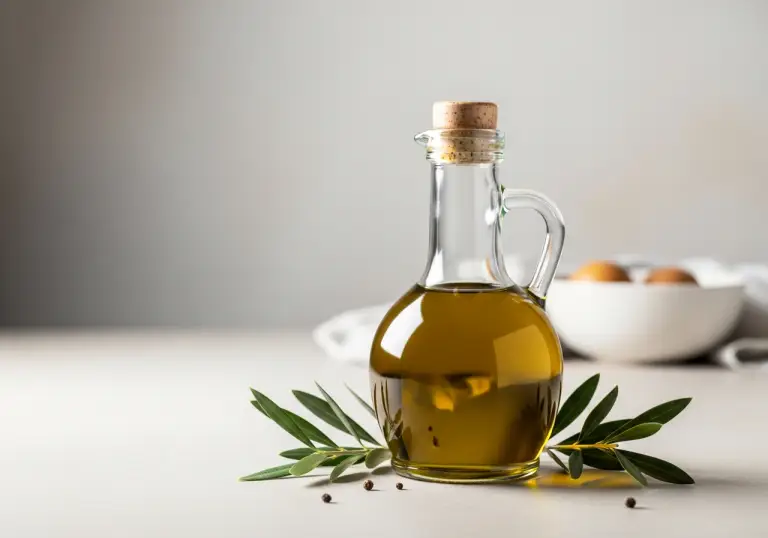
Extra Virgin Olive Oil
The other 11 foods tagged for Anti-Inflammatory
Key compounds linked to Anti-Inflammatory
Biomarkers worth tracking
Recipes to try
Common questions
What is hs-CRP? High-sensitivity C-reactive protein is a blood marker your liver produces in response to inflammation anywhere in the body. It’s not specific to any one condition, but a raised level over time is one of the more accessible ways to get a sense of overall inflammatory load, and it’s a standard marker your doctor can order.
Are anti-inflammatory diets proven to reduce disease risk? There’s a substantial and growing evidence base linking anti-inflammatory eating patterns, like the Mediterranean diet, to lower rates of heart disease and other chronic conditions, though diet is one factor among many, including genetics, sleep, stress and activity levels. It’s a supporting strategy, not a guaranteed fix.
Explore other health goals
- Best Foods for Heart Health
- Best Foods for Blood Sugar Control
- Best Foods for Bone Health
- Best Foods for Brain Health
- Best Foods for Energy and Performance
- Best Foods for Gut Health
- Best Foods for Immune Support
- Best Foods for Skin Health
- Best Foods for Weight Management
- Best Foods for Better Sleep
- Best Foods for Eye Health
- Best Foods for Weight Gain
- Best Foods for Muscle Growth
- Best Foods for Healthy Hair
- Best Foods for Liver Health