Gaining weight deliberately is a different problem from losing it, and mostly a mechanical one: you need more energy than you are using, from food you can actually get through. That last part is usually the real obstacle — appetite runs out before the calories do. So the useful foods are the ones carrying a lot of energy in a small volume, plus enough protein that what you gain is not all fat.
Everything below is a whole food. There is no shortage of advice to just eat biscuits and drink milkshakes, and it does work for the scale, but this database does not catalogue those and this page is not going to pretend otherwise. For the full ranked list by energy density see high-calorie foods; for protein specifically, foods high in protein.
Foods that support Weight Gain
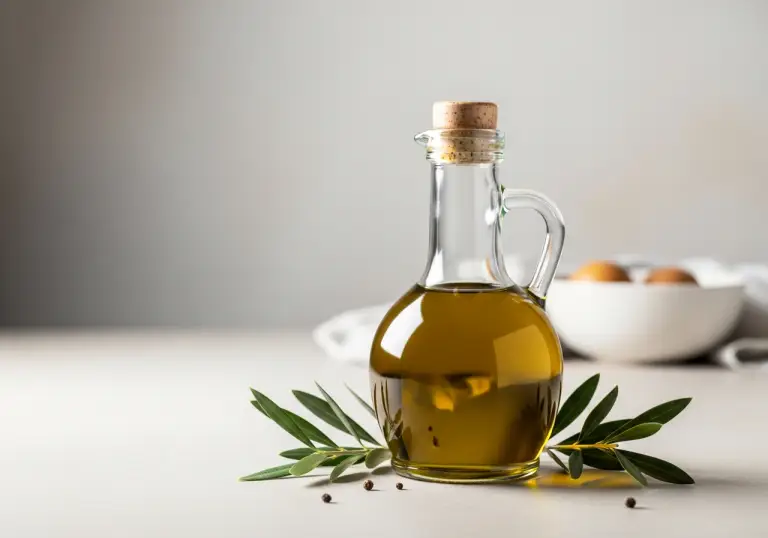
Extra Virgin Olive Oil
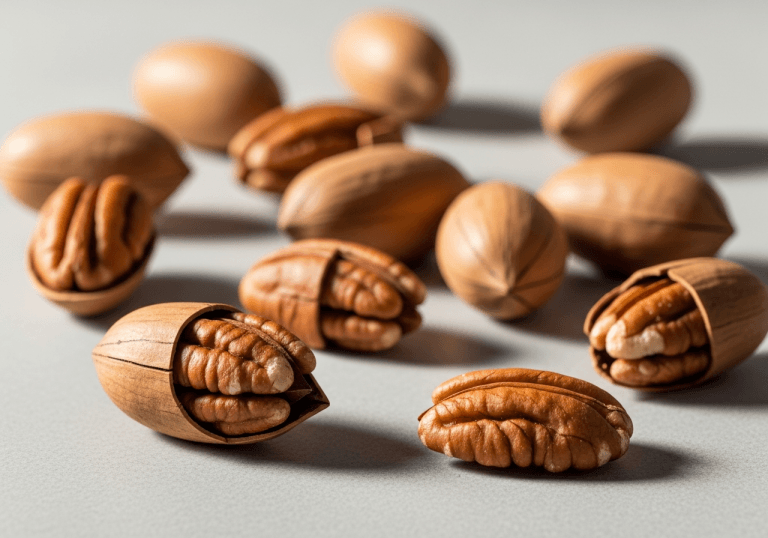
Pecans
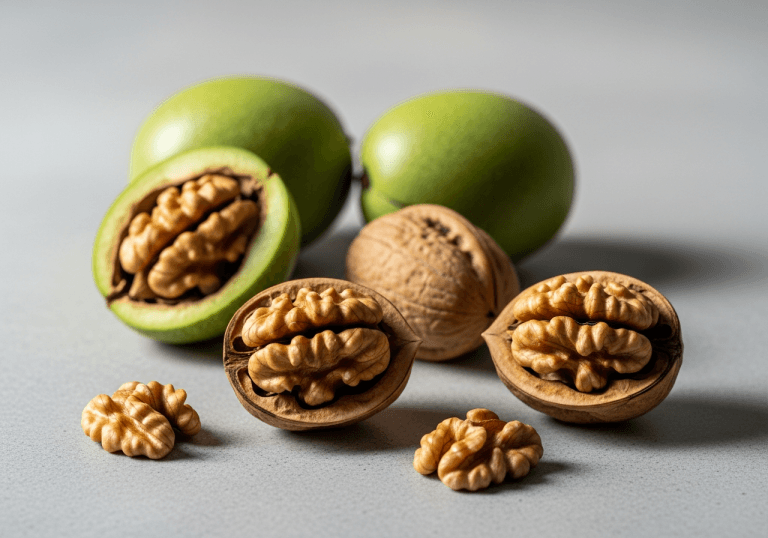
Walnuts
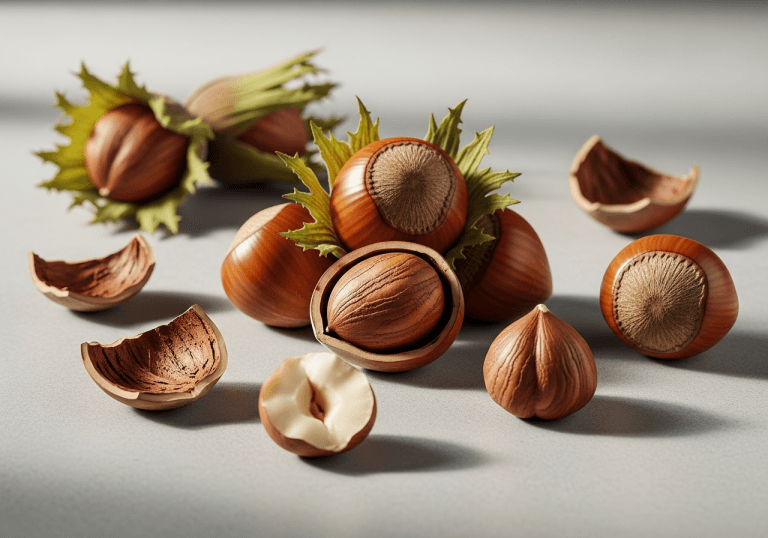
Hazelnuts
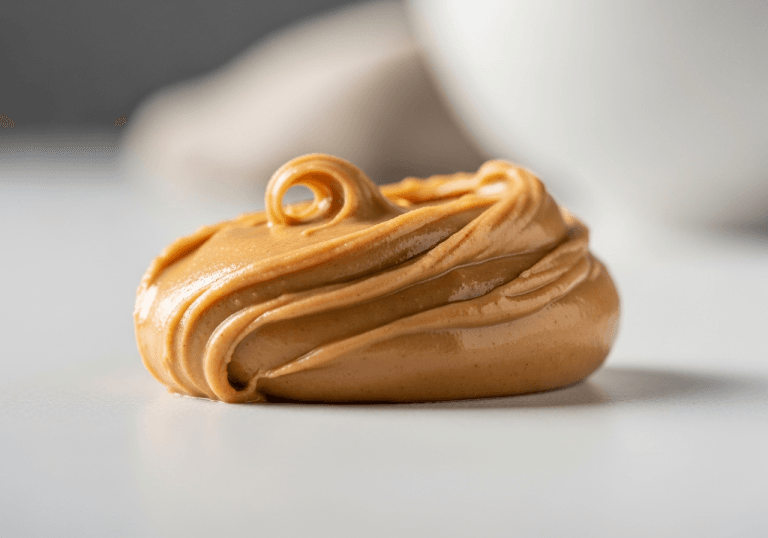
Peanut Butter
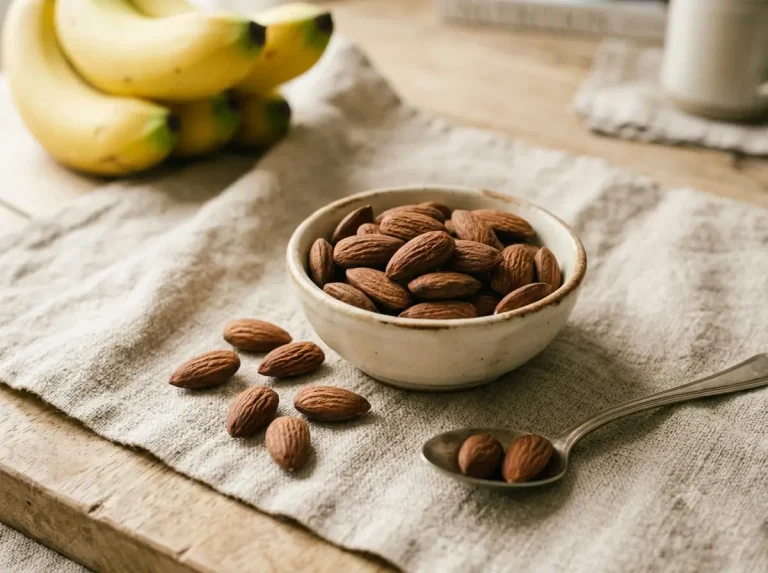
Almonds
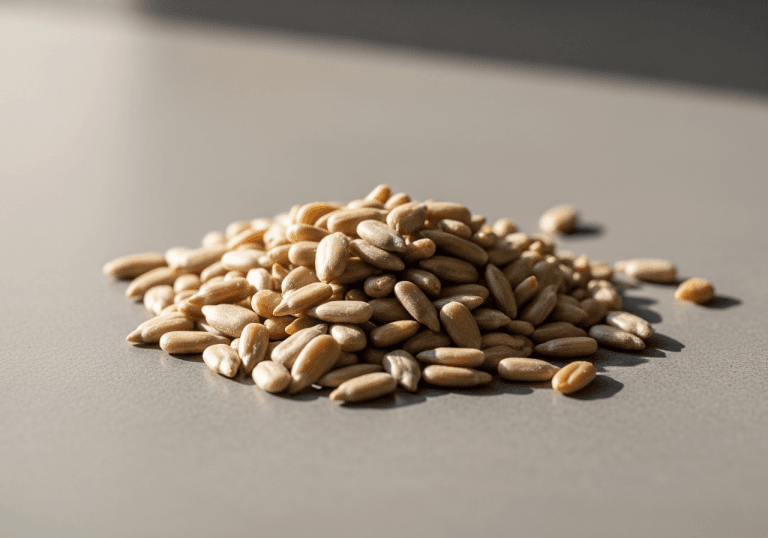
Sunflower Seeds
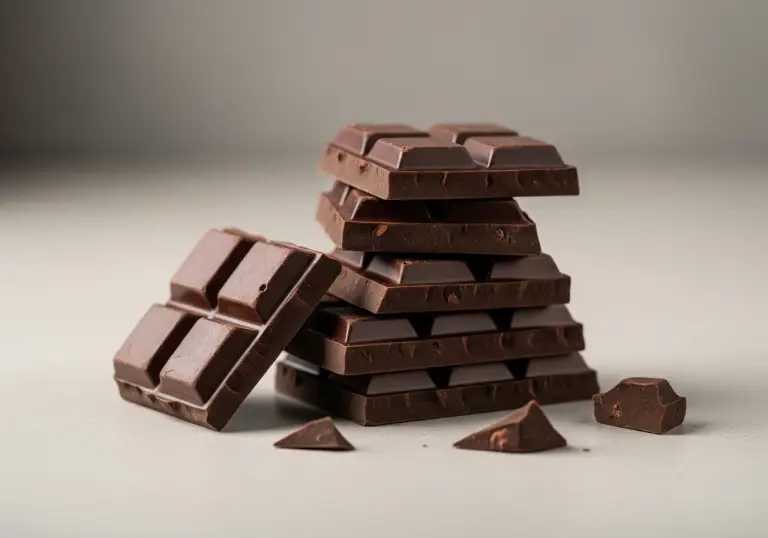
Dark Chocolate (70–85%)
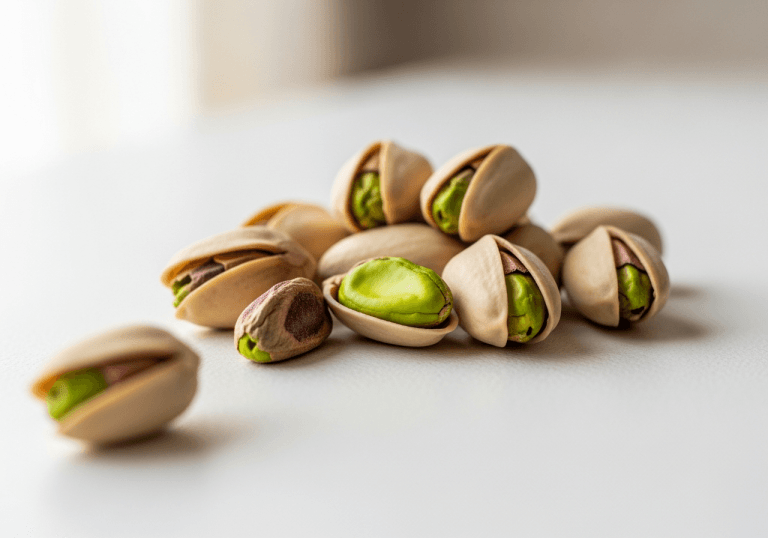
Pistachios
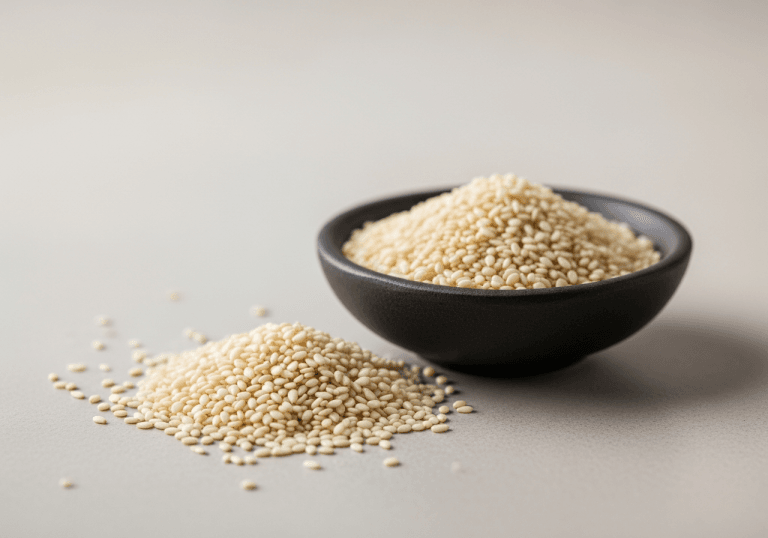
Sesame Seeds
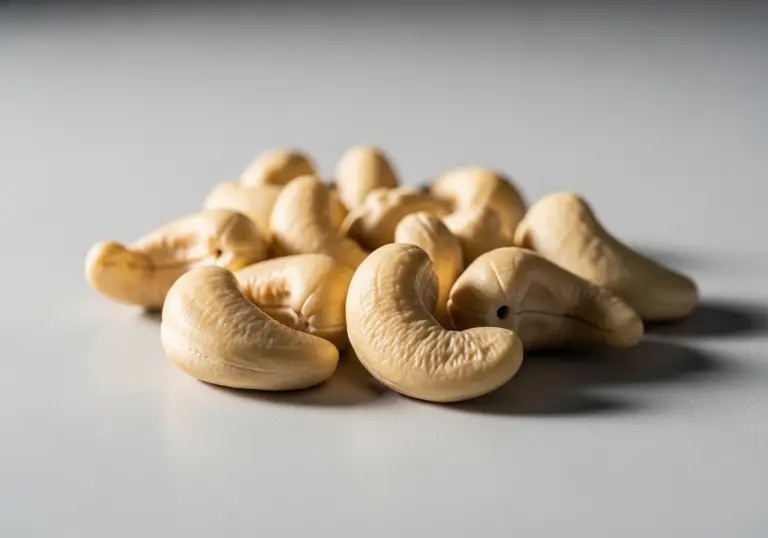
Cashews
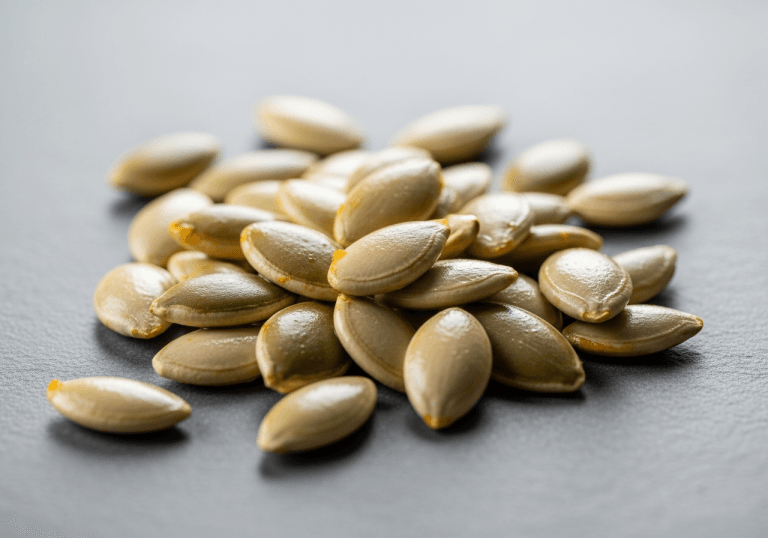
Pumpkin Seeds
The other 9 foods tagged for Weight Gain
Common questions
How do you gain weight in a healthy way? By taking in more energy than you use, from food that brings something else with it — protein, unsaturated fat, fibre, micronutrients — rather than from sugar alone, and by doing some resistance training so more of the gain is muscle. The usual obstacle is appetite rather than willpower, which is why energy-dense foods do the work: they carry more calories in less volume.
What are the most calorie-dense healthy foods? Oils, nuts and seeds, because fat carries roughly twice the energy per gram of protein or carbohydrate. Olive oil tops this database at 884 kcal per 100 g, followed by pecans, walnuts, nut butters and almonds. One caveat on reading any per-100 g list: dry grains and legumes look denser than they eat — oats are 379 kcal per 100 g dry, but a 40–50 g portion is nearer 150–190 kcal. See calorie density, explained.
How do you gain weight without gaining only fat? Total energy decides whether you gain weight at all; protein intake and resistance training between them influence how much of that gain is muscle rather than fat. Foods carrying both at once are the efficient answer — peanut butter, pumpkin seeds, almonds, cheese and oily fish all bring substantial protein alongside their calories, which is why they are here rather than pure fats alone.
Why am I losing weight without trying? That is worth seeing a doctor about rather than eating around. Unintentional weight loss is one of the more meaningful things to report to a GP, because it can be an early sign of something that needs diagnosing. Wanting to gain weight as well does not change that.
See also the opposite goal, weight management.
Explore other health goals
- Best Foods for Heart Health
- Best Foods for Blood Sugar Control
- Best Anti-Inflammatory Foods
- Best Foods for Bone Health
- Best Foods for Brain Health
- Best Foods for Energy and Performance
- Best Foods for Gut Health
- Best Foods for Immune Support
- Best Foods for Skin Health
- Best Foods for Weight Management
- Best Foods for Better Sleep
- Best Foods for Eye Health
- Best Foods for Muscle Growth
- Best Foods for Healthy Hair
- Best Foods for Liver Health