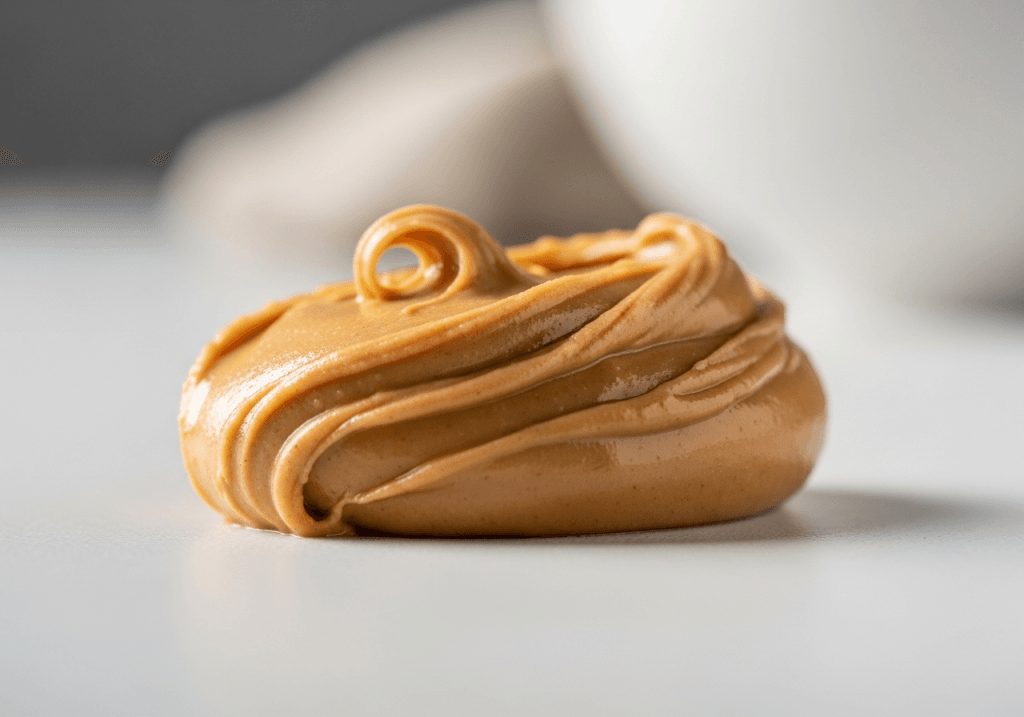
Peanut butter is a budget protein powerhouse. A 100 g portion of natural, unsalted peanut butter delivers roughly 25 g of plant protein, useful niacin, vitamin E and magnesium, and a spreadable texture that makes it one of the easiest high-protein foods to eat on the go. That combination is why peanut butter appears in research on heart health and weight management.
Compounds & anti-nutrients in Peanut Butter
Per 100 g, Peanut Butter is a notable dietary source of these active compounds. Tap any to see its full sources map and how to work with it.
- Manganese 1.68 mg 73.1% DV
- Copper 0.54 mg 60.1% DV
- Magnesium 192.6 mg 45.9% DV
- Vitamin E 5.41 mg 36.1% DV
- Phosphorus 393.2 mg 31.5% DV
- Zinc 3.06 mg 27.8% DV
- Folate 97.29 µg 24.3% DV
- Dietary Fibre 6.32 g 22.6% DV
- Vitamin B6 0.38 mg 22.4% DV
- Choline 95.53 mg 17.4% DV
- Potassium 654 mg 13.9% DV
- Sodium 220.7 mg 9.6% DV
- Oxalates 120 mg
- Purines 49.1 mg
- Monounsaturated Fat 30.71 g
- Lectins 8 rel.
- Coenzyme Q10 2.6 mg
- Resveratrol 0.07 mg
Why peanut butter is good for you
Peanut butter is essentially a paste of roasted peanuts, so its nutrient profile mirrors that of the whole nut: predominantly monounsaturated fat, meaningful plant protein, niacin and vitamin E. Large cohort studies show that regular peanut eaters have the same reduced cardiovascular risk as tree-nut eaters, despite peanuts being legumes rather than true nuts. The key distinction is natural versus processed: natural peanut butter contains only peanuts and maybe salt, whereas standard commercial versions often add sugar, palm oil and emulsifiers.
Peanut butter nutrition at a glance
The label shows the numbers, but the practical message is calorie density: peanut butter is roughly 600 kcal per 100 g, so a tablespoon is a more realistic serving than a heaped spoonful. The protein and fat together make it satiating, which helps explain why it does not cause weight gain in the cohorts that studied real-world intake.
How to buy and use peanut butter
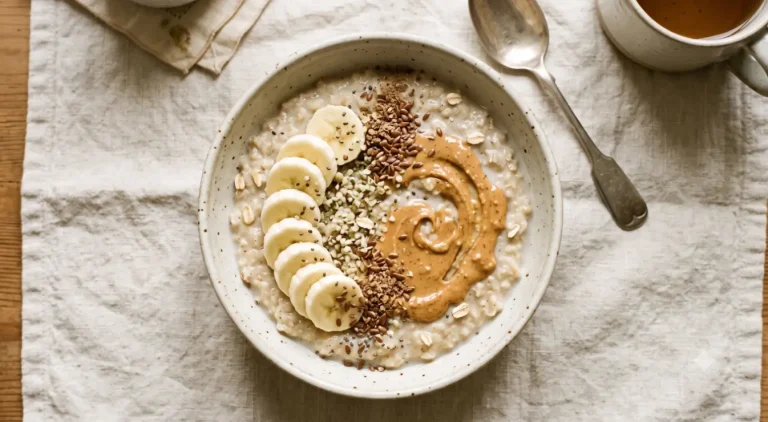
Choose natural peanut butter with one ingredient: peanuts. Stir well before use because the oil separates. Avoid versions with added sugar, palm oil or reduced-fat fillers — those usually add sugar to compensate for texture. Peanut butter works on whole-grain toast, in smoothies with oats and banana, or as a sauce base for chicken and broccoli. It keeps for months in the cupboard; refrigerate only if you prefer it firm.
Common questions
Is peanut butter bad for cholesterol? No. Despite being high in fat, regular peanut consumption is linked to better lipid profiles in long-term cohorts, probably because the fat is mostly unsaturated and peanuts displace less healthy snacks.
Should I buy reduced-fat peanut butter? Usually no. Reduced-fat versions often replace the removed fat with sugar and emulsifiers. A smaller amount of the real thing is nutritionally superior.
Explore by health goal
Peanut Butter is one of many foods that support these goals: