Bone density peaks in early adulthood and gradually declines with age, making the calcium, vitamin D and other minerals you get from food a long-term investment rather than something that pays off overnight. Dairy is the obvious source, but it’s far from the only one — plant proteins, seeds and oily fish all contribute meaningfully too. This hub gathers the foods, compounds and the primary lab marker for bone-relevant nutrient status.
Foods that support Bone Health
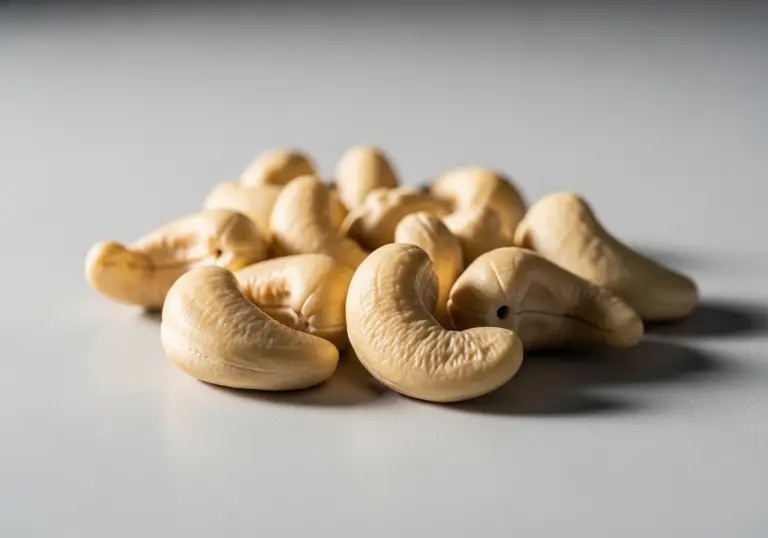
Cashews
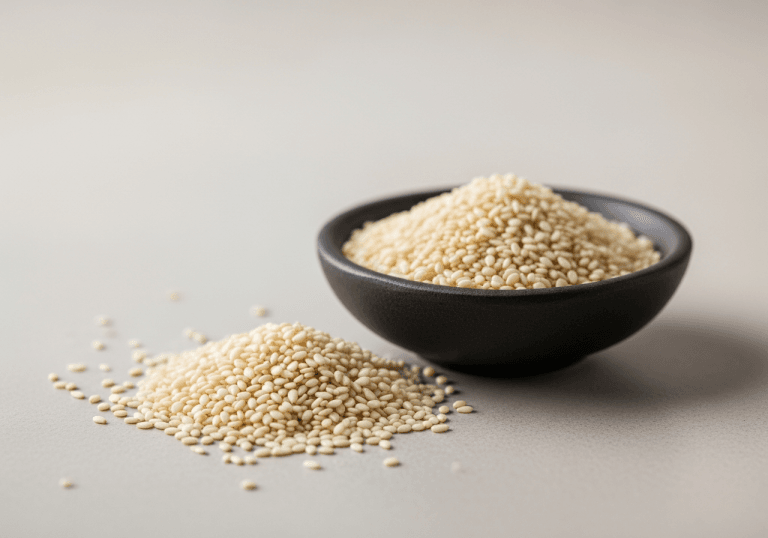
Sesame Seeds
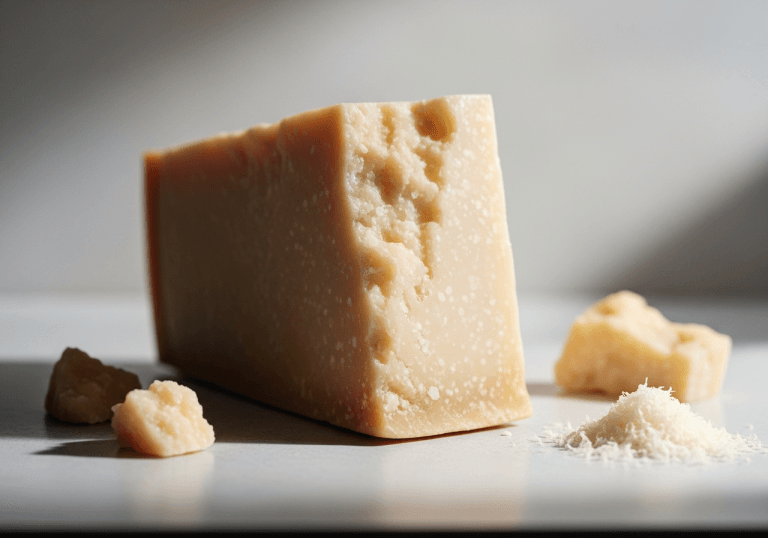
Parmesan

Cheddar Cheese
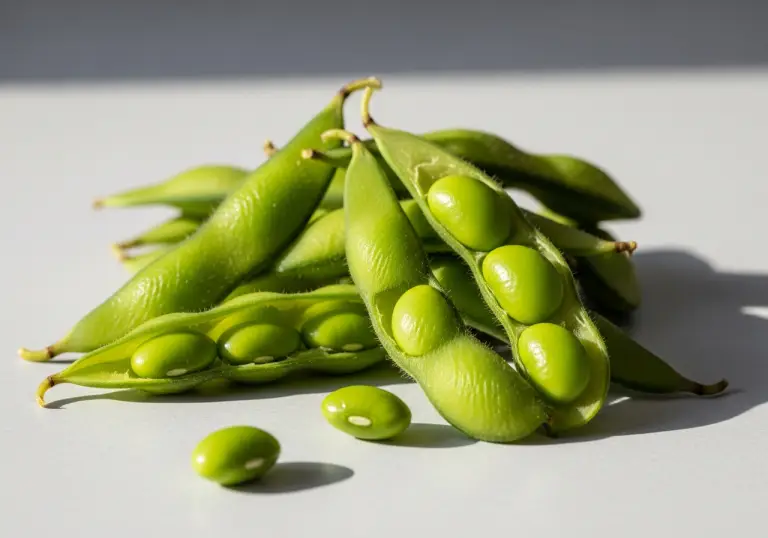
Edamame
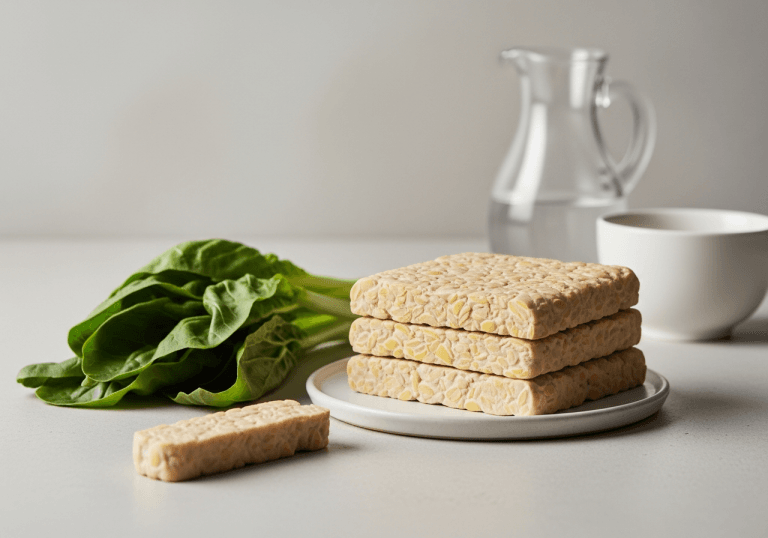
Tempeh
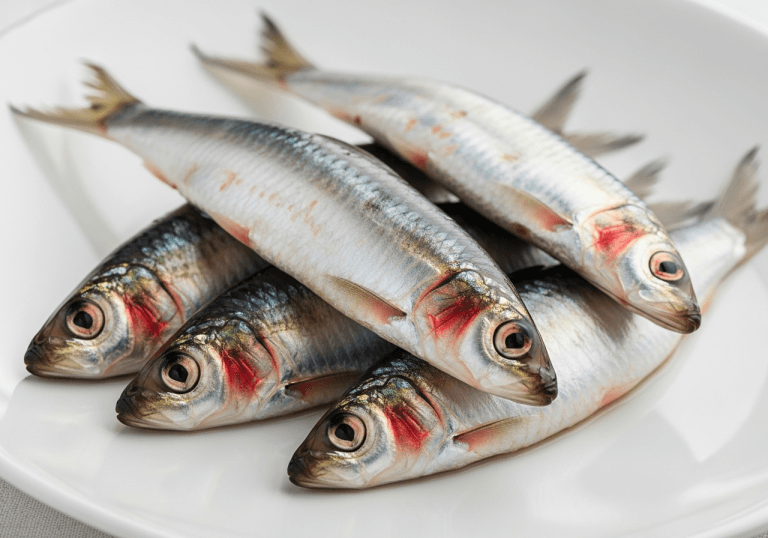
Sardines
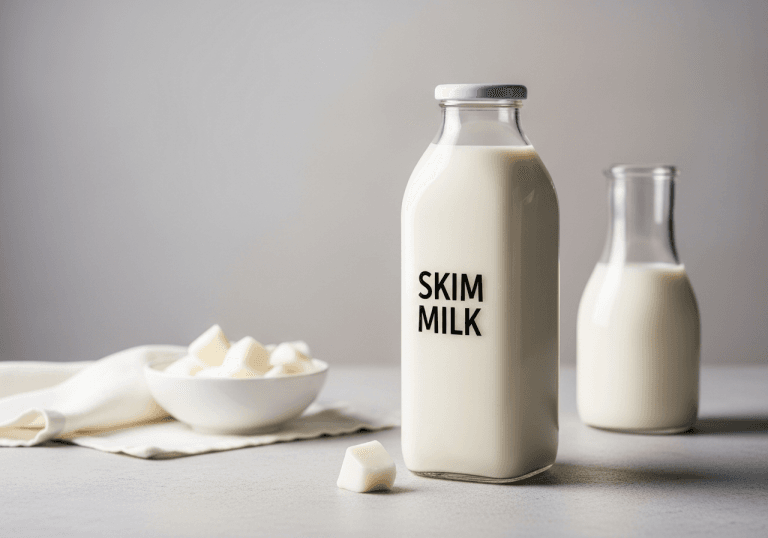
Skim Milk

Parsley
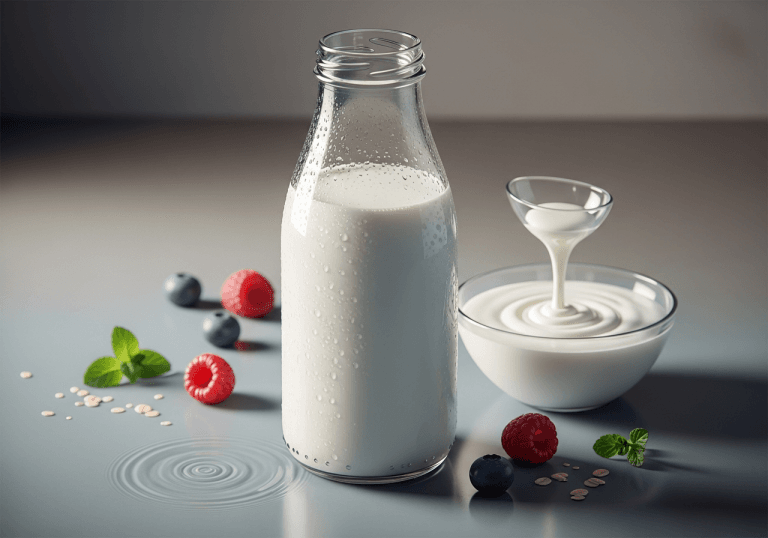
Kefir
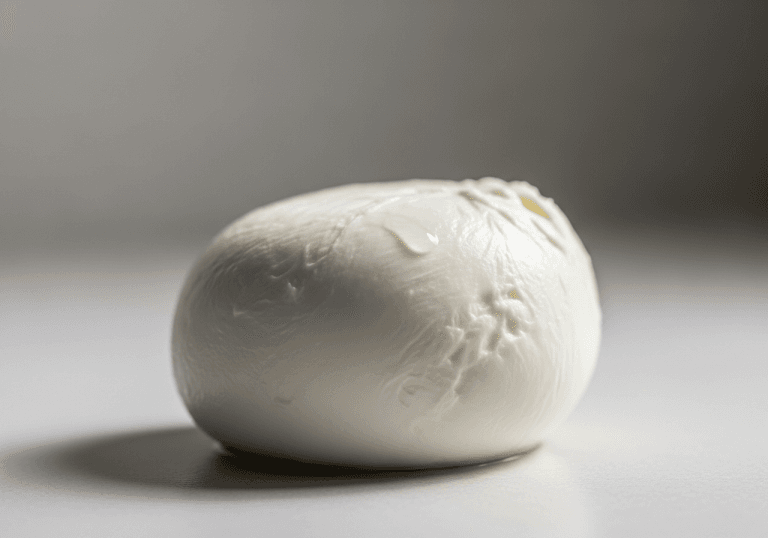
Mozzarella
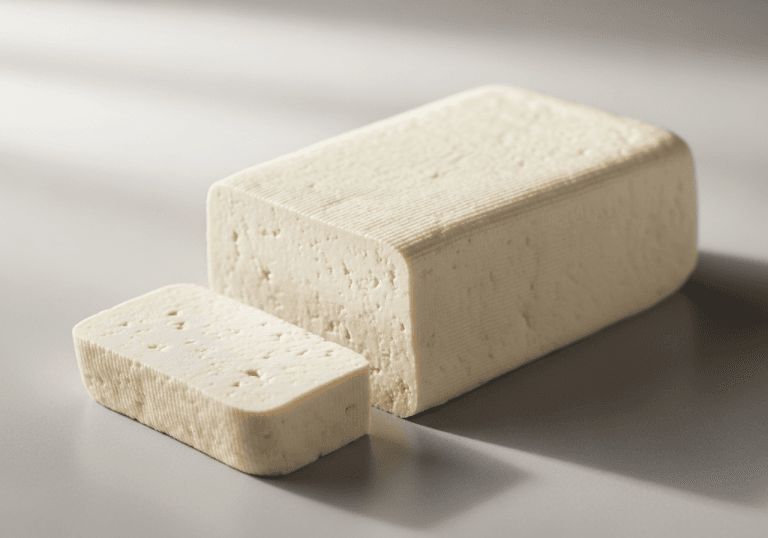
Tofu
The other 8 foods tagged for Bone Health
Key compounds linked to Bone Health
Biomarkers worth tracking
Recipes to try
Common questions
Do you need dairy for strong bones? No — dairy is a convenient, well-absorbed calcium source, but it isn’t essential. Tofu, tempeh, edamame, sesame seeds and leafy greens all contribute calcium, and vitamin D, from sun exposure, oily fish or supplementation, matters just as much for how well that calcium gets used.
Why does vitamin D matter for bones if it’s not a mineral? Vitamin D controls how much calcium your gut actually absorbs from food — without enough of it, extra dietary calcium has limited benefit, which is why the two are almost always discussed together rather than in isolation.
Explore other health goals
- Best Foods for Heart Health
- Best Foods for Blood Sugar Control
- Best Anti-Inflammatory Foods
- Best Foods for Brain Health
- Best Foods for Energy and Performance
- Best Foods for Gut Health
- Best Foods for Immune Support
- Best Foods for Skin Health
- Best Foods for Weight Management
- Best Foods for Better Sleep
- Best Foods for Eye Health
- Best Foods for Weight Gain
- Best Foods for Muscle Growth
- Best Foods for Healthy Hair
- Best Foods for Liver Health