Chickpeas — the base of hummus and falafel — pair a generous dose of plant protein with plenty of fibre, a satiety combination that shows up repeatedly in weight-management research. That same slow-digesting profile is why chickpeas feature so often in work on blood sugar control, gut health and appetite.
Compounds & anti-nutrients in Chickpeas
Per 100 g, Chickpeas is a notable dietary source of these active compounds. Tap any to see its full sources map and how to work with it.
- Manganese 3.58 mg 155.7% DV
- Folate 557 ug 139.3% DV
- Copper 0.8 mg 89.3% DV
- Magnesium 134.8 mg 32.1% DV
- Vitamin B6 0.54 mg 31.5% DV
- Zinc 3.12 mg 28.4% DV
- Iron 5.09 mg 28.3% DV
- Potassium 1,074 mg 22.9% DV
- Choline 99.3 mg 18.1% DV
- Calcium 111.1 mg 8.6% DV
- Phytates 550 mg
- Purines 56 mg
- Lectins 6 rel.
- FODMAPs 4 g
- Resistant Starch 2.1 g
- Fructans 0.5 g
Why chickpeas are good for you
Chickpeas bring together protein and fibre in a way few plant foods manage, which is why they keep you full and help steady the rise in blood sugar after a meal. Their fibre includes resistant starch and fructans, which ferment in the colon and feed beneficial bacteria. They are also a useful plant source of iron and folate, important for energy and healthy cell division.
Because chickpea iron is non-haem and less readily absorbed, pairing them with a vitamin-C source — a squeeze of lemon or some chopped red pepper — helps your body take up more of it.
Chickpeas nutrition at a glance
The full breakdown sits in the label above. The headline qualities are protein and fibre, a pairing that earns chickpeas their place in blood-sugar-friendly and plant-based diets. Their carbohydrate is low on the glycaemic index, releasing energy slowly. One thing to know: the fermentable fibres that feed your gut can cause wind in sensitive people, which usually settles as the gut adapts.
How to choose, store and cook chickpeas
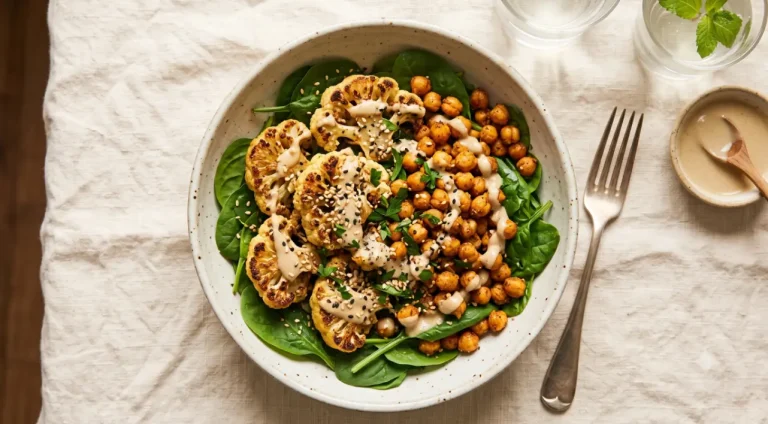
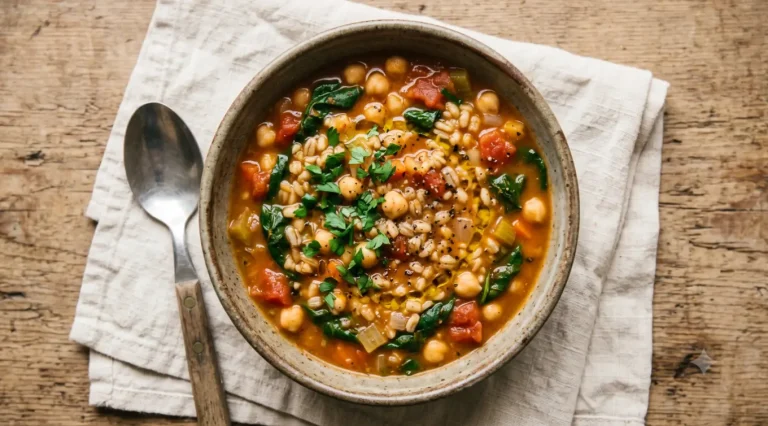
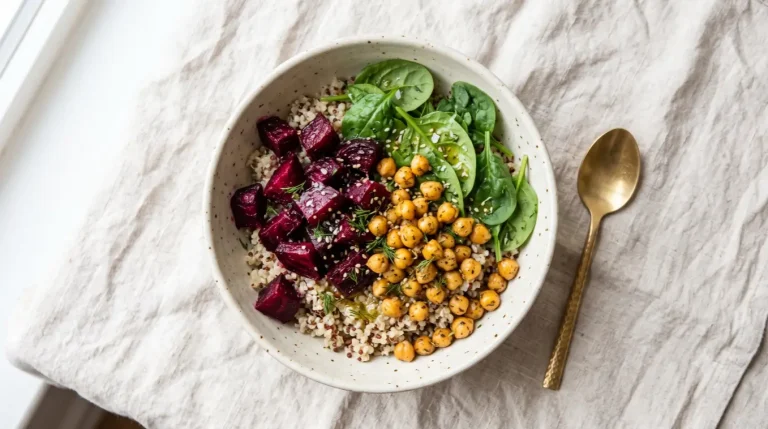
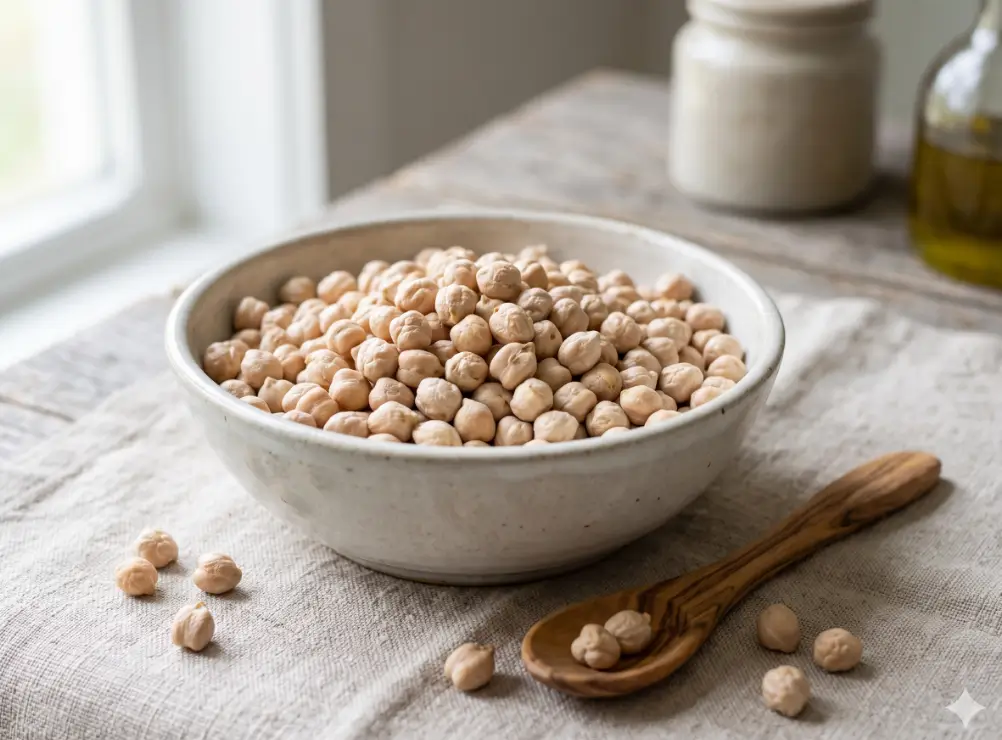
Dried chickpeas are economical but need soaking overnight and a long simmer; tinned chickpeas are ready to use — rinse them to cut the sodium. Store dried chickpeas somewhere cool and dark, and refrigerate cooked ones for a few days. Roast them with spices for a crunchy snack, blend with olive oil for hummus, or fold them through a salad with tomato for a filling lunch. They belong to the wider legumes family.
Common questions
Are chickpeas good for weight loss? Their protein and fibre are filling for relatively few calories, which can help curb appetite between meals. They are most useful as a swap for refined carbohydrates within a balanced diet.
Do you need to cook tinned chickpeas? Tinned chickpeas are already cooked and safe to eat cold, straight from the tin after rinsing. Warming them simply improves the texture and flavour.
Explore by health goal
Chickpeas is one of many foods that support these goals: