Spinach is one of the most nutrient-dense foods you can put on a plate for almost no calories — a raw handful is mostly water, yet it delivers a remarkable spread of vitamins, minerals and plant compounds. That combination is why it shows up so often in research on heart health, bone health and athletic energy and performance.
Compounds & anti-nutrients in Spinach
Per 100 g, Spinach is a notable dietary source of these active compounds. Tap any to see its full sources map and how to work with it.
Why spinach is good for you
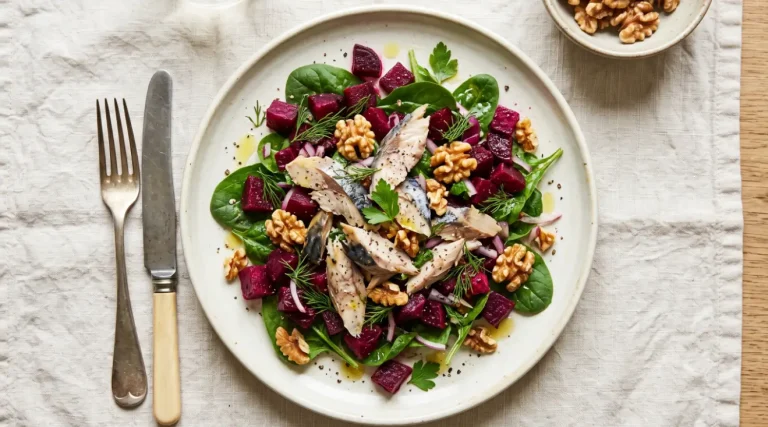
Three things set spinach apart. It is a meaningful plant source of iron and magnesium, two minerals many diets fall short on. It is exceptionally high in vitamin K and folate, which support bone metabolism and healthy cell division. And it is rich in dietary nitrates — the same compounds that make beetroot popular with endurance athletes, because the body converts them into nitric oxide, which helps relax blood vessels.
Spinach also supplies lutein and zeaxanthin, two carotenoids that concentrate in the retina and are studied for long-term eye health. Pairing it with a source of vitamin C — a squeeze of lemon, some red pepper — improves how much of its plant iron you actually absorb.
Spinach nutrition at a glance
The full breakdown is in the nutrition label above, but the headline is value: spinach gives you protein, fibre, potassium and a long list of micronutrients for barely any calories. One caveat worth knowing — spinach is high in oxalates, naturally occurring compounds that can bind minerals and, in susceptible people, contribute to kidney stones. Lightly cooking spinach and varying your greens keeps oxalate intake sensible.
How to buy, store and cook spinach
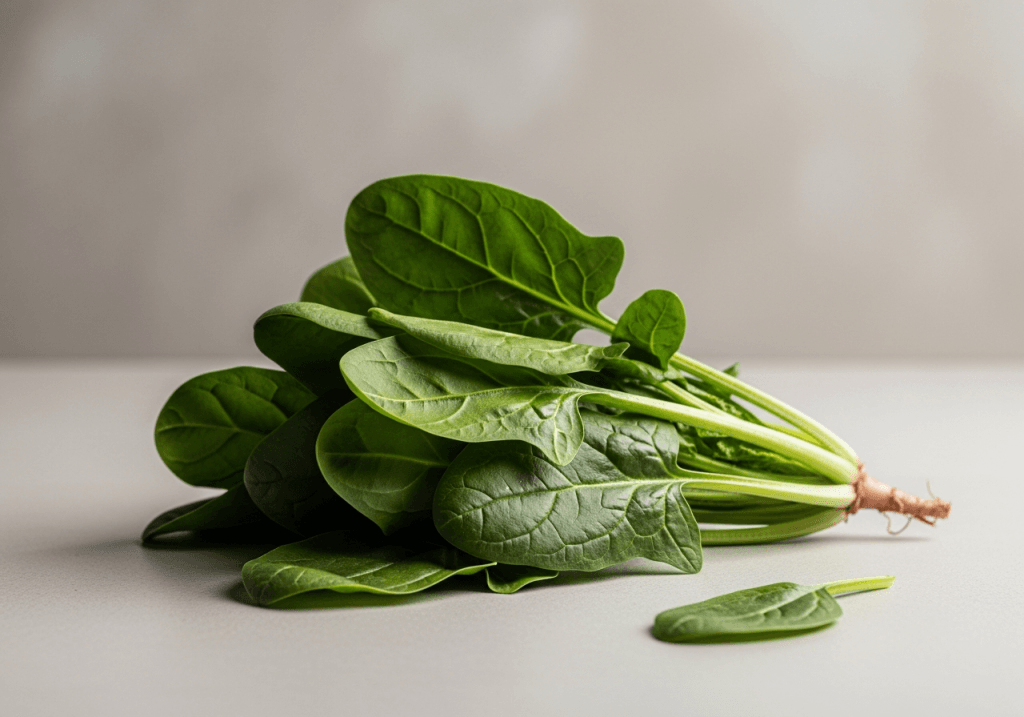
Choose deep-green, crisp leaves and avoid any that are slimy or yellowing. Store unwashed in a breathable bag in the fridge and use within a few days, since folate and vitamin C fade with time. Baby spinach is ideal raw in salads and smoothies; mature spinach stands up better to heat. Wilting it in a hot pan with a little olive oil and garlic shrinks a huge volume down to a couple of forkfuls — an easy way to eat far more than you would raw.
Common questions
Is spinach better raw or cooked? Both have a place. Raw spinach preserves vitamin C and folate; cooked spinach concentrates the leaves so you eat more iron, magnesium and lutein per serving, and lowers its oxalate content.
Does spinach really give you lots of iron? It is a useful plant source, but the iron is non-haem and less readily absorbed than the iron in red meat. Eating it with vitamin C closes much of that gap.
Explore by health goal
Spinach is one of many foods that support these goals: