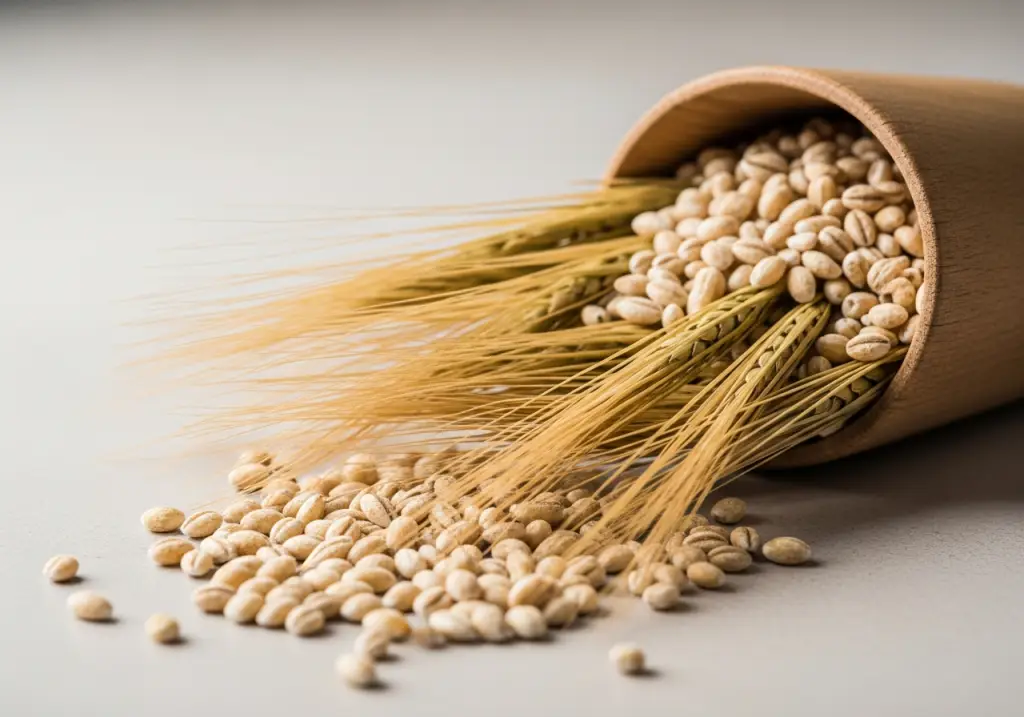
Barley is one of the oldest cultivated grains in the world, and it remains one of the most useful: a nutty, satisfyingly chewy wholegrain that is unusually rich in soluble fibre. That fibre is the reason barley features so often in research on heart health, blood sugar control and gut health.
Compounds & anti-nutrients in Barley
Per 100 g, Barley is a notable dietary source of these active compounds. Tap any to see its full sources map and how to work with it.
Why barley is good for you
Barley’s standout component is beta-glucan, a soluble fibre that forms a gel in the digestive tract. This is the same fibre that gives oats their reputation: it is studied for slowing the absorption of sugars and for helping the body clear cholesterol, which is why beta-glucan carries an approved heart-health claim. Barley is also a good source of magnesium and supplies selenium and manganese, minerals that support energy metabolism and antioxidant defences.
Because beta-glucan and the grain’s other fibres feed beneficial gut bacteria, barley behaves as a gentle prebiotic. Eating it as part of a varied wholegrain pattern, alongside other fibre-rich foods, tends to support steadier digestion than refined grains do.
Barley nutrition at a glance
The full breakdown is in the nutrition label above, but the headline is fibre: barley is one of the higher-fibre grains you can buy, and much of that is the soluble kind. Worth knowing is that most barley sold is pearl barley, which has the outer bran partly polished off; hulled or pot barley keeps more of the bran and minerals. Barley does contain gluten, so it is not suitable for anyone who needs to avoid it.
How to buy, store and cook barley
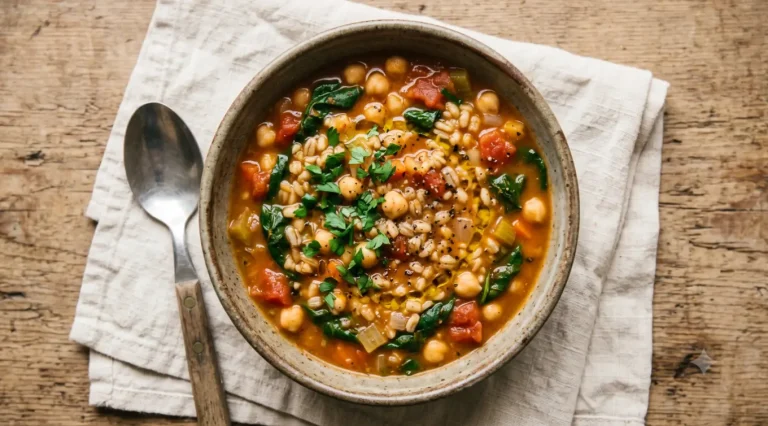
Choose pearl barley for everyday cooking and quicker results, or hulled barley for maximum nutrition and a firmer bite. Store it in an airtight container in a cool, dry cupboard, where it keeps for months. Simmer it like rice until tender and pleasantly chewy, then fold it through soups and stews or serve it cold as a grain salad. It pairs well with roasted mushrooms, sweet onion and plenty of herbs, and makes a hearty base for the same dishes you might build around quinoa.
Common questions
Is barley good for weight loss? Its soluble fibre absorbs water and slows digestion, which helps a portion feel filling and satisfying. As a wholegrain swap for refined grains it fits well into a weight-management plan, though portion size still matters.
Is barley gluten-free? No. Barley naturally contains gluten, so it is unsuitable for people with coeliac disease or gluten sensitivity. Naturally gluten-free wholegrains such as quinoa or buckwheat are better alternatives.
Explore by health goal
Barley is one of many foods that support these goals: