Broccoli is the best everyday source of glucoraphanin, the precursor to sulforaphane — one of the most intensively studied plant compounds in cancer-prevention research. That single connection places broccoli at the centre of conversations about immune support, anti-inflammatory eating and long-term heart health.
Compounds & anti-nutrients in Broccoli
Per 100 g, Broccoli is a notable dietary source of these active compounds. Tap any to see its full sources map and how to work with it.
Why broccoli is good for you
Broccoli’s headline compound is sulforaphane, which the body forms when you chop or chew the plant. Sulforaphane activates the Nrf2 pathway, the same antioxidant defence system that many polyphenols and exercise also stimulate. Broccoli also delivers vitamin C, vitamin K, folate and a useful amount of fibre for a vegetable.
Broccoli nutrition at a glance
The label shows the numbers, but the practical message is that broccoli is a low-calorie nutritional multitasker. The caveat is cooking: sulforaphane formation is highest when broccoli is raw or lightly steamed, because the enzyme that makes it is destroyed by boiling.
How to buy, store and cook broccoli
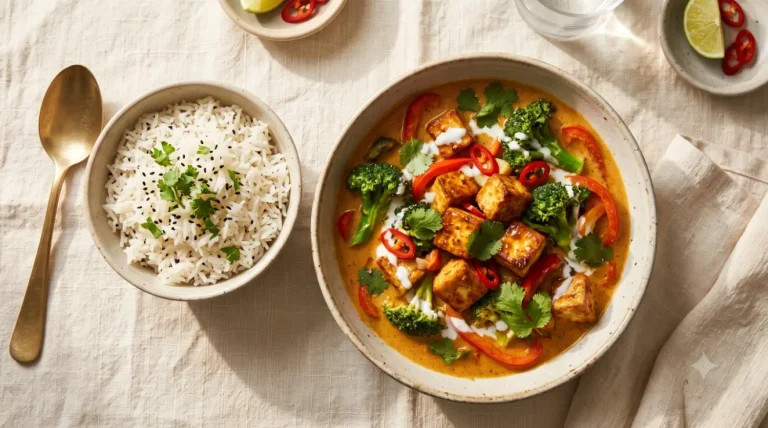
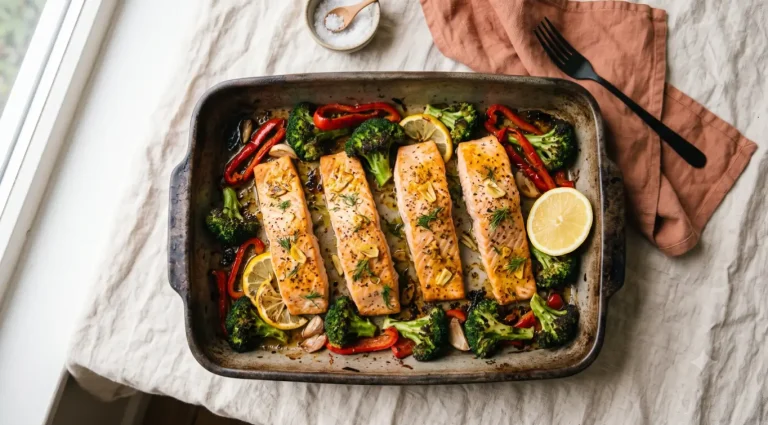
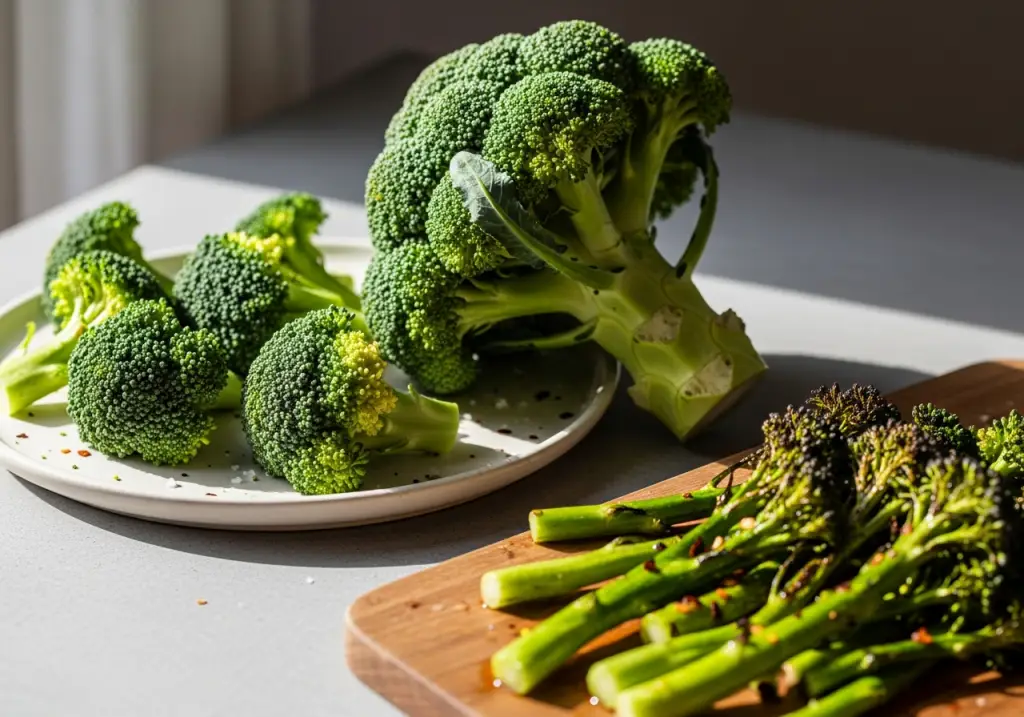
Choose tight, deep-green florets with no yellowing or flowering. Store in the fridge in a perforated bag and use within a few days. Light steaming for 3–5 minutes preserves sulforaphane better than boiling; stir-frying with garlic is one of the most flavour-efficient methods. Broccoli pairs naturally with olive oil, salmon and eggs.
Common questions
Is raw broccoli better than cooked? For sulforaphane, yes — raw or lightly steamed preserves the enzyme. For fibre and vitamin K, cooking makes little difference. Most people benefit from both.
Can broccoli help with inflammation? The sulforaphane and flavonoid content are genuinely anti-inflammatory in mechanistic studies, but effects in real meals depend on portion size and cooking method.
Explore by health goal
Broccoli is one of many foods that support these goals: