The DASH diet was designed by researchers at the US National Institutes of Health for one purpose: to lower blood pressure through food. In its original trial it did exactly that, reducing blood pressure by about as much as a first-line medication in some participants. It remains one of the most highly rated eating patterns for heart health and steadier blood sugar.
What is the DASH diet?
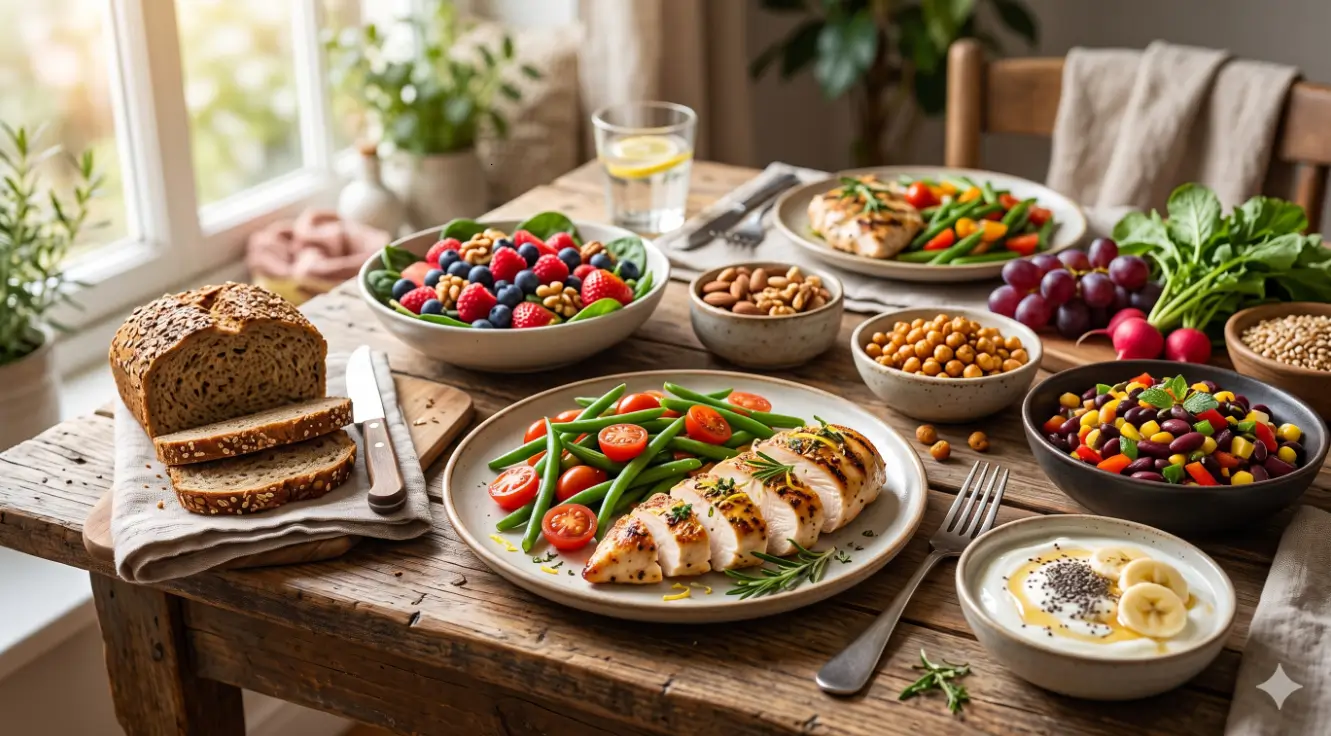
DASH stands for Dietary Approaches to Stop Hypertension. The principle is to load the plate with foods rich in potassium, magnesium, calcium and fibre while reining in sodium. In practice that means abundant vegetables and fruit, wholegrains, low-fat dairy and lean protein, with salty, sugary and fatty foods kept to the margins. You can browse the wider pattern on our DASH diet hub.
What to eat on the DASH diet
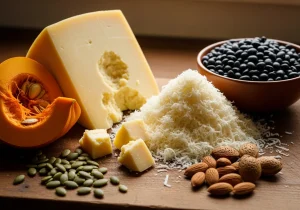
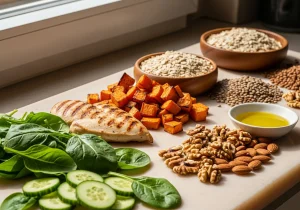
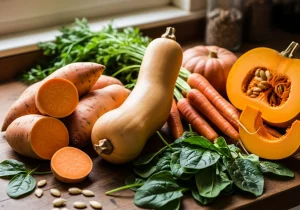
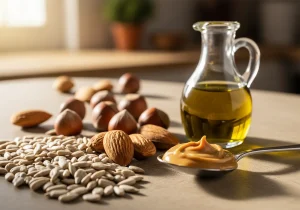
Build meals around vegetables and fruit — broccoli, spinach, tomatoes and berries are all ideal — alongside wholegrains such as oats and brown rice. Low-fat dairy like Greek yoghurt and skimmed milk supplies calcium, while lean protein from chicken breast, fish and pulses rounds things out. Nuts, seeds and pulses appear several times a week.
What to limit
The headline target is sodium: most of it hides in processed and restaurant food rather than the salt cellar, so DASH leans on home cooking and herbs for flavour. Red and processed meat, sweets and sugary drinks are reduced rather than banned. Cutting back gradually tends to stick better than an abrupt change, and the palate adjusts to less salt within a couple of weeks.
What the evidence says
The evidence behind DASH is strong and unusually direct. The original DASH trials, and later studies combining it with reduced sodium, showed clear, measurable falls in blood pressure — the reason it is so consistently recommended for hypertension. Beyond blood pressure, the pattern is linked to lower cardiovascular risk and better metabolic markers, supporting both heart health and weight management.
Who it suits — and who should take care
DASH is an excellent fit for anyone with raised blood pressure, a family history of heart disease, or who simply wants a balanced, well-evidenced way to eat. It is safe for most people. Those already taking blood-pressure or potassium-affecting medication, or with kidney disease, should speak to their doctor first, as a sudden jump in potassium intake needs to be managed carefully.
Common questions
Does the DASH diet really lower blood pressure? Yes — this is one of the better-supported claims in nutrition. Controlled trials found meaningful reductions in blood pressure within weeks, with the largest effect when sodium was also reduced. It works best as a long-term pattern rather than a quick fix.
How is DASH different from the Mediterranean diet? They overlap heavily on plants, wholegrains and lean protein. DASH is more prescriptive about sodium and dairy and was built specifically around blood pressure, whereas the Mediterranean diet centres on olive oil and fish with a broader longevity focus.