A well-planned plant-based diet built around whole foods is one of the most consistently health-promoting ways to eat. Research links it to lower LDL cholesterol, lower blood pressure and a reduced risk of type 2 diabetes, which is why it appears so often in work on heart health and weight management. The emphasis is on minimally processed plants rather than packaged “plant-based” products.
What is the whole-food plant-based diet?
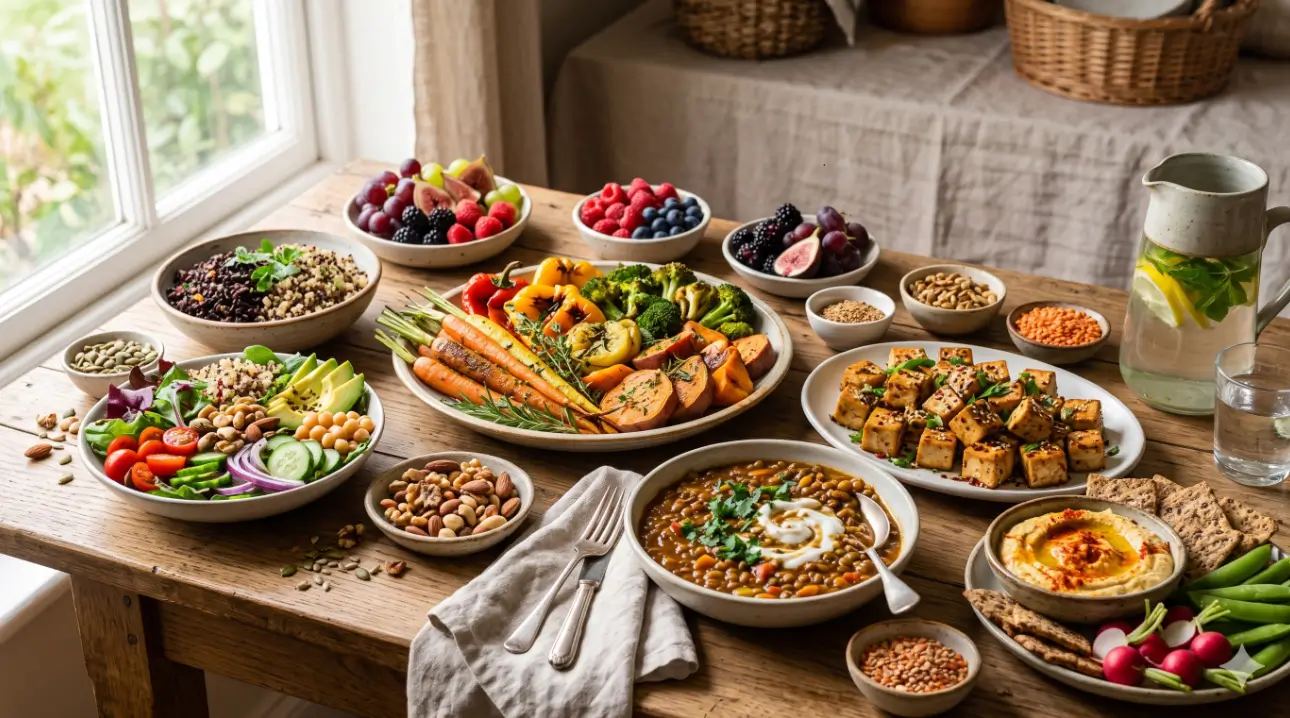
The pattern centres meals on vegetables, pulses, wholegrains, nuts, seeds and fruit, while reducing — or in a fully vegan version eliminating — animal products and ultra-processed food. “Whole-food” is the key qualifier: the goal is real ingredients in close to their natural state, not refined substitutes. You can explore the broader category on our plant-based hub.
What to eat on a plant-based diet
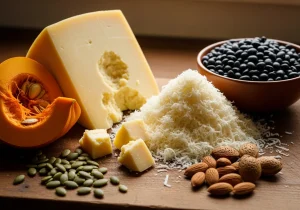
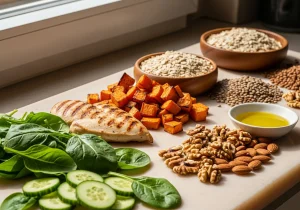
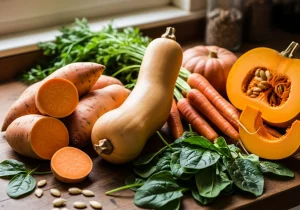
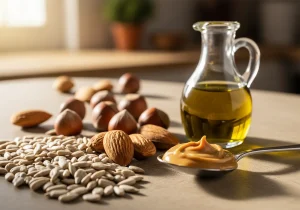
Pulses do much of the heavy lifting for protein: lentils, chickpeas and black beans are staples, alongside soya foods such as tofu and edamame. Wholegrains like quinoa and oats provide slow-release energy, while nuts, seeds and a daily spread of vegetables and fruit complete the plate. Flaxseed and chia seeds add plant omega-3s.
What to limit
A vegan version removes all animal products; a broader whole-food plant-based approach simply keeps them minimal. Either way, the bigger pitfall is leaning on ultra-processed meat-alternatives, refined grains and sugary foods, which can be technically plant-based yet nutritionally poor. The closer the diet stays to whole ingredients, the better it performs.
What the evidence says
The evidence is strong for cardiometabolic benefit: well-designed plant-based diets are reliably associated with lower LDL cholesterol, lower blood pressure and reduced type 2 diabetes risk, supporting both heart health and gut health through their high fibre content. The important caveat is planning. A few nutrients need attention — vitamin B12 (which requires a supplement on a vegan diet), iron, zinc, omega-3 and adequate protein — to keep the diet complete. Get those right and the high fibre, low saturated fat and rich variety of plant compounds do the rest.
Who it suits — and who should take care
This pattern suits people motivated by heart and metabolic health, weight management or the lower environmental footprint of plant-forward eating. It works for most adults when planned well. Those who are pregnant, breastfeeding, growing, or managing a medical condition should plan B12, iron and omega-3 carefully and ideally check intakes with a dietitian.
Common questions
Can you get enough protein on a plant-based diet? Yes, with a little planning. Pulses, soya foods, wholegrains, nuts and seeds across the day add up comfortably, and combining different plant proteins ensures a full range of amino acids. Most people meet their needs without difficulty.
Is plant-based the same as vegan? Not quite. Vegan excludes all animal products by definition; a whole-food plant-based diet emphasises minimally processed plants but may include small amounts of animal foods. If you’d prefer to keep eggs and dairy, the vegetarian diet is a gentler step.