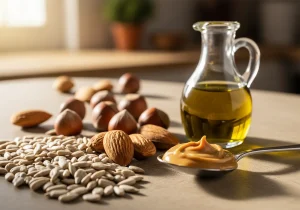
The vegetarian diet leaves out meat, poultry and fish but keeps dairy and eggs — and that one detail makes a real difference. By retaining those foods, it becomes far easier to meet protein, B12 and calcium needs while still capturing most of the cardiometabolic benefits seen in plant-forward eating. It is a well-evidenced choice for heart health and weight management.
What is the vegetarian diet?
A typical (lacto-ovo) vegetarian diet is built on vegetables, fruit, pulses, wholegrains, nuts and seeds, with dairy and eggs adding protein and key micronutrients. Removing meat shifts the plate towards fibre and unsaturated fats, while keeping eggs and dairy fills the gaps that stricter plant-based diets have to plan around. You can explore the wider category on our vegetarian hub.
What to eat on the vegetarian diet
Pulses such as lentils and chickpeas anchor most meals, supported by eggs and dairy like Greek yoghurt for easy, complete protein. Add wholegrains such as quinoa and oats, a daily range of vegetables and fruit, and nuts and seeds for healthy fats. Soya foods like tofu round out the protein options for variety.
What to limit
Meat, poultry and fish are off the menu, but the more practical thing to watch is balance. Vegetarian convenience foods — cheese-heavy ready meals, pastry and refined snacks — can quietly add saturated fat and salt, so the same whole-food principle applies: build meals from real ingredients and treat processed substitutes as occasional.
What the evidence says
The evidence is strong. Large cohort studies consistently link vegetarian eating to lower LDL cholesterol, lower blood pressure and reduced risk of heart disease and type 2 diabetes, which is why it scores well for heart health and blood sugar control. Because it keeps eggs and dairy, it tends to be more nutritionally complete than a vegan diet, though iron and omega-3 are still worth keeping an eye on.
Who it suits — and who should take care
The vegetarian diet suits people who want the benefits of plant-forward eating without giving up all animal foods, and it adapts easily to families and most budgets. It is suitable across life stages when reasonably planned. Vegetarians should still prioritise iron-rich plants with a source of vitamin C to aid absorption, and those who are pregnant or growing should pay particular attention to iron and omega-3 intake.
Common questions
Is a vegetarian diet healthy long term? Yes. With eggs and dairy in the picture, a varied vegetarian diet is straightforward to keep nutritionally complete and is associated with good long-term health outcomes. The usual advice — plenty of whole foods, not too many processed substitutes — applies.
Do vegetarians need supplements? Usually fewer than vegans, because eggs and dairy supply B12. Most people manage without supplements if their diet is varied, though some choose to top up vitamin D or omega-3. If you want to go further, the whole-food plant-based diet is the next step.