Carrots remain the classic source of beta-carotene, the plant compound the body converts to vitamin A for vision, immune function and skin turnover. That single nutrient identity, combined with a sweet crunch and almost no fat, keeps carrots in everyday use across almost every cuisine. It is why carrots appear in research on eye health, immune support and skin health.
Compounds & anti-nutrients in Carrot
Per 100 g, Carrot is a notable dietary source of these active compounds. Tap any to see its full sources map and how to work with it.
Why carrots are good for you
Carrots are one of the most accessible sources of provitamin A carotenoids in any supermarket. Cooking actually increases carotene availability by breaking down the plant cell walls, so cooked carrots deliver more bioavailable vitamin A per gram than raw — though raw carrots still provide useful fibre and a lower glycemic load per serving.
Carrot nutrition at a glance
The label shows the numbers, but the practical message is that carrots are a low-calorie vehicle for vitamin A precursors and fibre. Their natural sweetness makes them useful in both savoury dishes and baked goods without added sugar.
How to buy, store and cook carrots
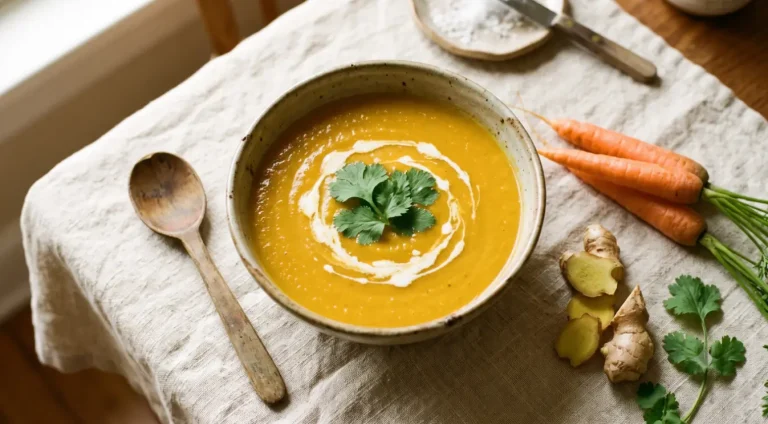
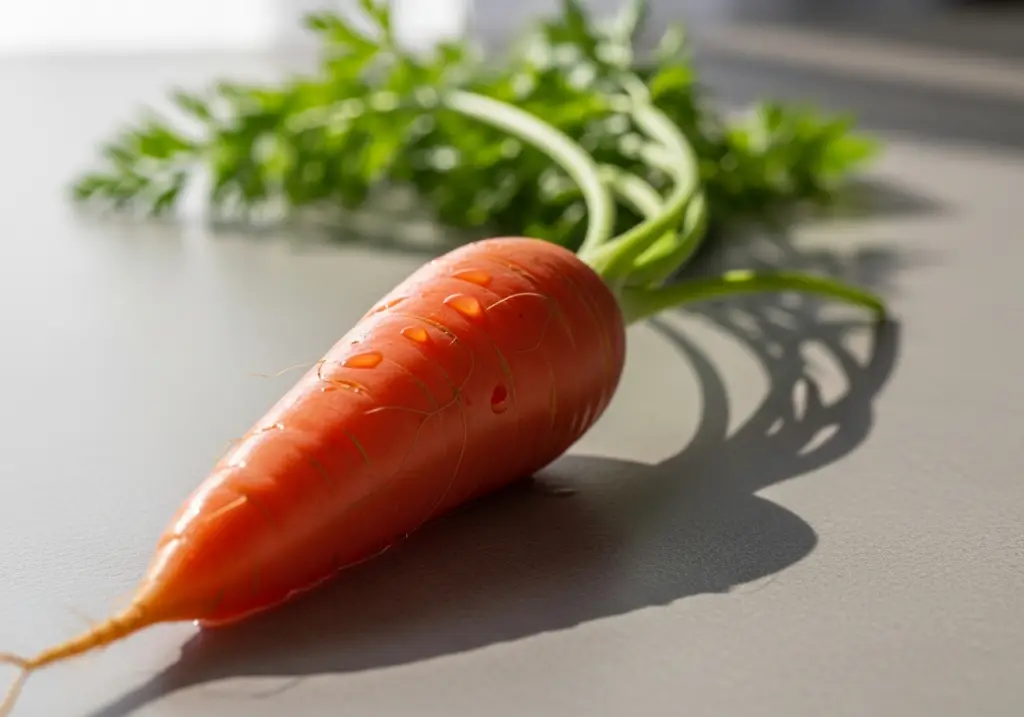
Choose firm, smooth carrots with bright colour and no soft spots. Green tops, if present, should look fresh. Store in the fridge in a perforated bag and use within a couple of weeks. Carrots can be eaten raw, steamed, roasted or pureed. Steaming or roasting with a little olive oil improves carotene absorption; eating them with a source of fat is the single most useful nutritional hack for this vegetable. Carrots pair naturally with Greek yoghurt, lentils and salmon.
Common questions
Do cooked carrots have more vitamin A than raw? Yes — heat softens the cell walls, releasing more beta-carotene per gram. The trade-off is a slightly higher glycemic response, which is modest for most people.
Can you eat too many carrots? Carotenemia — a temporary orange tinge to the skin — can happen with very high intakes, but it is harmless and reverses when intake drops. For most people, carrots are safe in ordinary portions.
Explore by health goal
Carrot is one of many foods that support these goals: