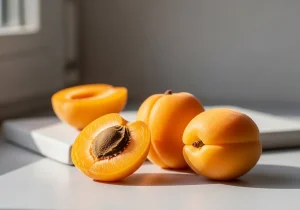
Apricot
Apricots are high in beta-carotene and soluble fibre for eye and skin health; dried apricots are a concentrated iron and fibre source.
Apricots are high in beta-carotene and soluble fibre for eye and skin health; dried apricots are a concentrated iron and fibre source.
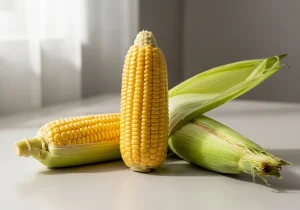
Whole corn is a useful source of lutein, zeaxanthin and fibre for eye and heart health, but has a high glycaemic index.
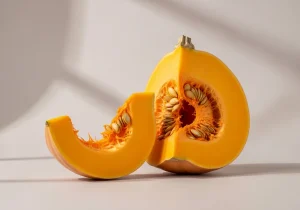
Pumpkin flesh is one of the richest sources of beta-carotene, and the seeds supply zinc and magnesium for immune and muscle health.
Lutein and zeaxanthin are the two yellow carotenoids that the body channels straight to the eye, concentrating them in the macula at the very centre of
Beta-carotene is the vivid orange-red pigment behind carrots, sweet potato, pumpkin and red peppers, and it lends its colour to dark leafy greens too, where chlorophyll
Vitamin A is a fat-soluble vitamin best known for protecting your sight, particularly the ability to see in dim light. It comes ready-made as retinol in
Vitamin E is the body’s premier fat-soluble antioxidant, a family of compounds led by alpha-tocopherol that stations itself within cell membranes to fend off damage. It
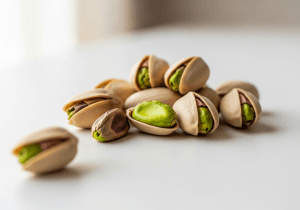
Pistachios are the green-hearted nut you have to work for, and that small effort of shelling them is
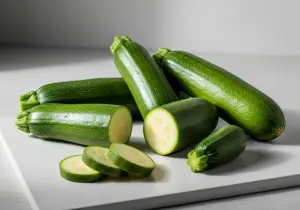
Courgette (known as zucchini in much of the world) is a tender summer squash that is roughly nine-tenths

Butternut squash is a nutrient-dense winter vegetable with beta-carotene, fibre and potassium for eye and heart health.
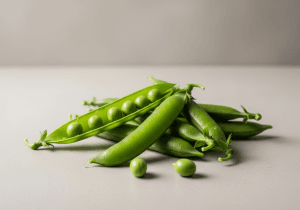
Green peas — the garden peas most of us grew up shelling or tipping frozen into a pan
Vitamin C is a water-soluble antioxidant the body cannot store for long, so a regular dietary supply matters. Beyond immune support it is essential for collagen…