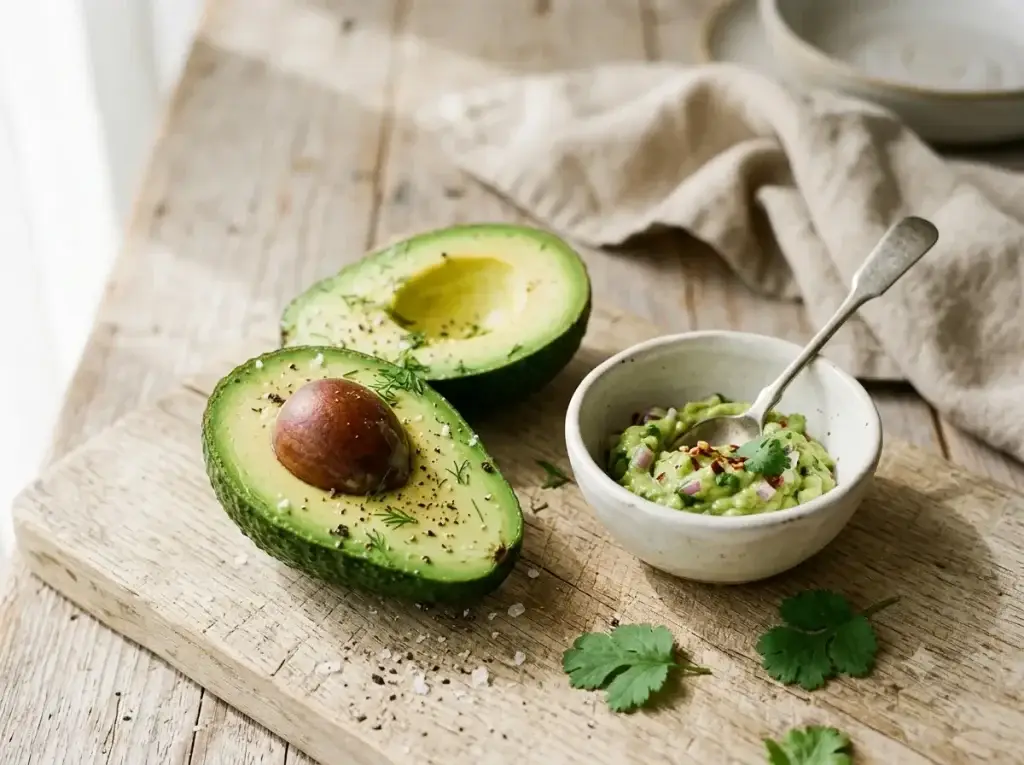
Avocado is the fruit that breaks every rule: it is high in fat but mostly monounsaturated, high in calories but nutrient-dense, and savoury enough to eat with a spoon. A 100 g portion delivers roughly 160 kcal, 15 g of mostly monounsaturated fat, 7 g of fibre, more potassium than banana, and lutein for eye health. That profile is why avocados appear in research on heart health and eye health.
Compounds & anti-nutrients in Avocado
Per 100 g, Avocado is a notable dietary source of these active compounds. Tap any to see its full sources map and how to work with it.
Why avocados are good for you
Avocados’ fat is mostly oleic acid — the same monounsaturated fat that gives olive oil its heart benefits — and it improves the absorption of fat-soluble nutrients from other foods eaten at the same time. The potassium content exceeds that of bananas per 100 g, which matters for blood pressure regulation. The lutein and zeaxanthin content supports macular health, and the fibre is mostly soluble, which lowers LDL cholesterol. The caveat is calorie density: an avocado contains roughly 250 kcal, which matters for portion control.
Avocado nutrition at a glance
The label shows the numbers, but the practical message is that avocado is a nutrient-dense, flavour-neutral fat source that replaces less useful fats in the diet. Half an avocado on toast, in a salad or as a guacamole dip is a genuinely evidence-aligned habit.
How to buy and use avocados
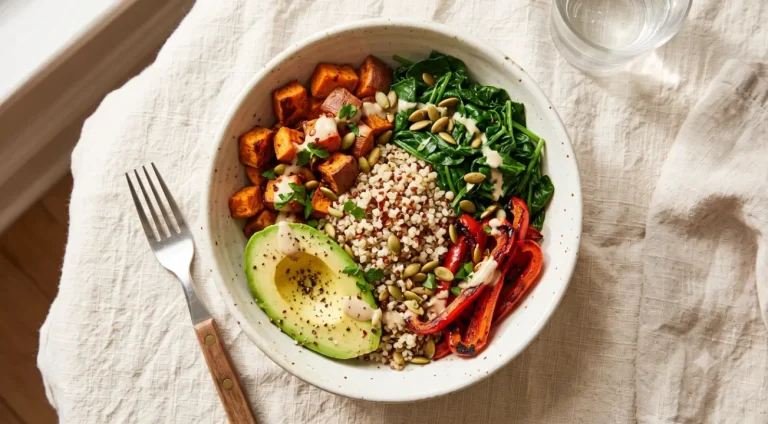
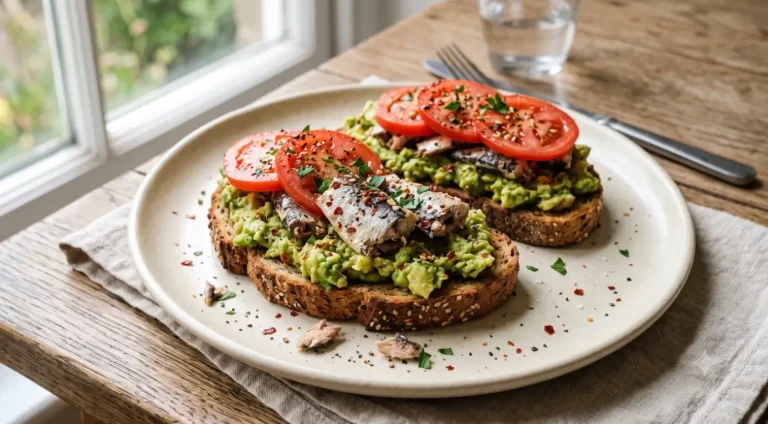
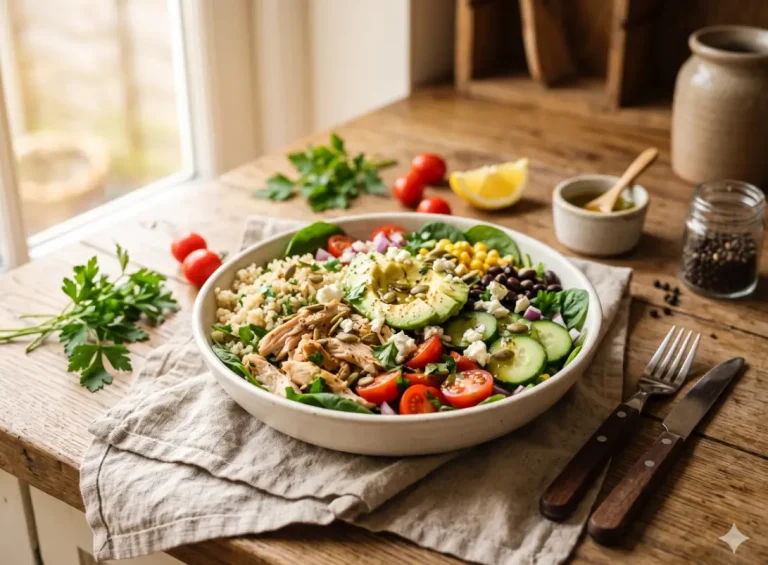
Choose avocados that yield slightly to gentle pressure. Rock-hard avocados will ripen in a few days at room temperature; over-ripe ones are mushy and brown inside. Store ripe avocados in the fridge to slow further ripening. Use avocado on wholemeal toast with salt and pepper, in guacamole with lime and tomato, sliced into salads with spinach and olive oil, or blended into smoothies with spinach and banana. The seed contains some of the same polyphenols as the flesh, but it is not usually eaten.
Common questions
Is avocado good for cholesterol? Yes — the monounsaturated fat and soluble fibre lower LDL cholesterol and raise HDL in trials.
Is avocado fattening? It is calorie-dense, but the fat and fibre promote satiety, which usually leads to lower overall intake. The net effect is neutral or beneficial in most diets.
Explore by health goal
Avocado is one of many foods that support these goals: