The gluten-free diet is medically essential for people with coeliac disease, in whom even tiny amounts of gluten trigger an immune reaction that damages the gut. For everyone else, though, there is no demonstrated benefit — and gluten-free processed products are often lower in fibre and B vitamins than the wholegrain foods they replace. Understanding that distinction matters for both gut health and overall nutrition.
What is the gluten-free diet?
Gluten is a protein found in wheat, barley and rye. A gluten-free diet removes all of these and any ingredients derived from them, which means scrutinising labels, since gluten hides in sauces, soups and processed foods. For coeliac disease it must be strict and lifelong; trace contamination is enough to cause harm. You can read more on our gluten-free archive.
What to eat on the gluten-free diet
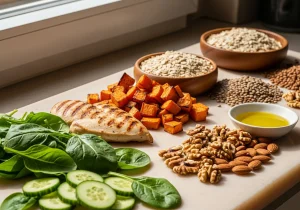
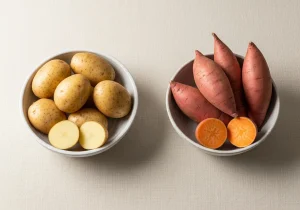
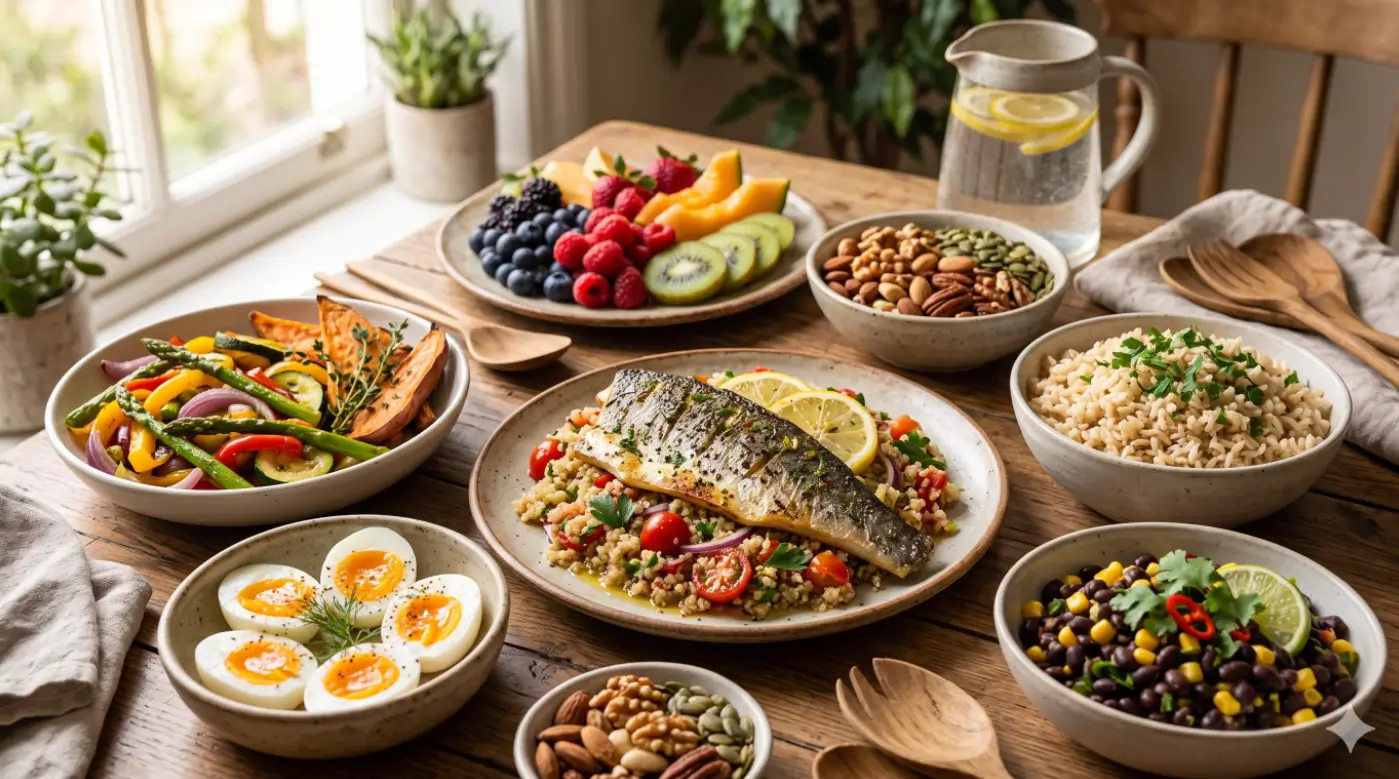
The good news is that a huge range of whole foods is naturally gluten-free. Build meals around quinoa, brown rice and potatoes for carbohydrates, with eggs, fish, meat and lentils for protein, plus all the fruit and vegetables you like. Leaning on these naturally gluten-free staples — rather than ultra-processed gluten-free substitutes — keeps fibre and micronutrients high.
What to limit
The diet removes wheat, barley, rye and their derivatives — that includes most conventional bread, pasta, breakfast cereals, beer and many processed foods. For someone with coeliac disease this is non-negotiable. The honest caution is about the replacements: commercial gluten-free breads and snacks are frequently higher in sugar and fat and lower in fibre, so they are not automatically a healthier choice.
What the evidence says
For coeliac disease the evidence is unambiguous and strong: a strict gluten-free diet is the only effective treatment, allowing the gut lining to heal and symptoms to resolve. It also helps those with a properly diagnosed non-coeliac gluten or wheat sensitivity. Outside these groups, however, there is no good evidence that going gluten-free improves heart health, energy or weight; the benefits people report usually come from eating fewer processed foods overall, not from removing gluten itself.
Who it suits — and who should take care
It is the right and necessary diet for anyone with coeliac disease or diagnosed gluten sensitivity. If you suspect coeliac disease, get tested before cutting gluten, because removing it first can mask the diagnosis. For people without these conditions, a gluten-free diet is not inherently healthier and may reduce fibre intake, so there is little reason to adopt one. Those who do go gluten-free should choose wholegrain alternatives like quinoa and oats (certified gluten-free) to protect their nutrition. A balanced Mediterranean diet adapts easily to gluten-free needs.
Common questions
Is a gluten-free diet healthier for everyone? No. It is essential for coeliac disease but offers no proven benefit for people without it, and processed gluten-free foods can be lower in fibre and B vitamins.
Are oats gluten-free? Oats are naturally gluten-free but are often contaminated with wheat during processing. People with coeliac disease should choose oats specifically certified as gluten-free.