The flexitarian diet is a plant-forward way of eating without hard rules — mostly plants, with meat and fish kept occasional rather than banned. It captures most of the benefit of vegetarian eating while being far easier to stick with over the long run, which is exactly why it is so often top-ranked for ease of following. That flexibility makes it a strong, sustainable choice for heart health and weight management.
What is the flexitarian diet?
Flexitarian means flexible vegetarian. The principle is to make plants the foundation of most meals while leaving room for the occasional serving of meat or fish, so nothing is forbidden and there are no portions to weigh or days to track. Because it asks for a direction of travel rather than strict compliance, people tend to keep it up for years. Our flexitarian archive explores the pattern further.
What to eat on the flexitarian diet
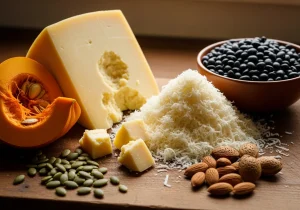
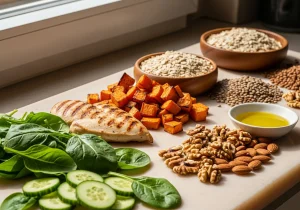
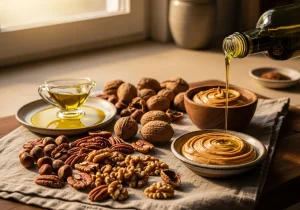
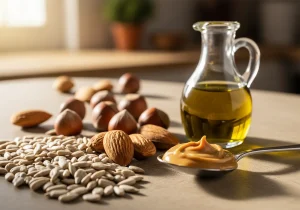
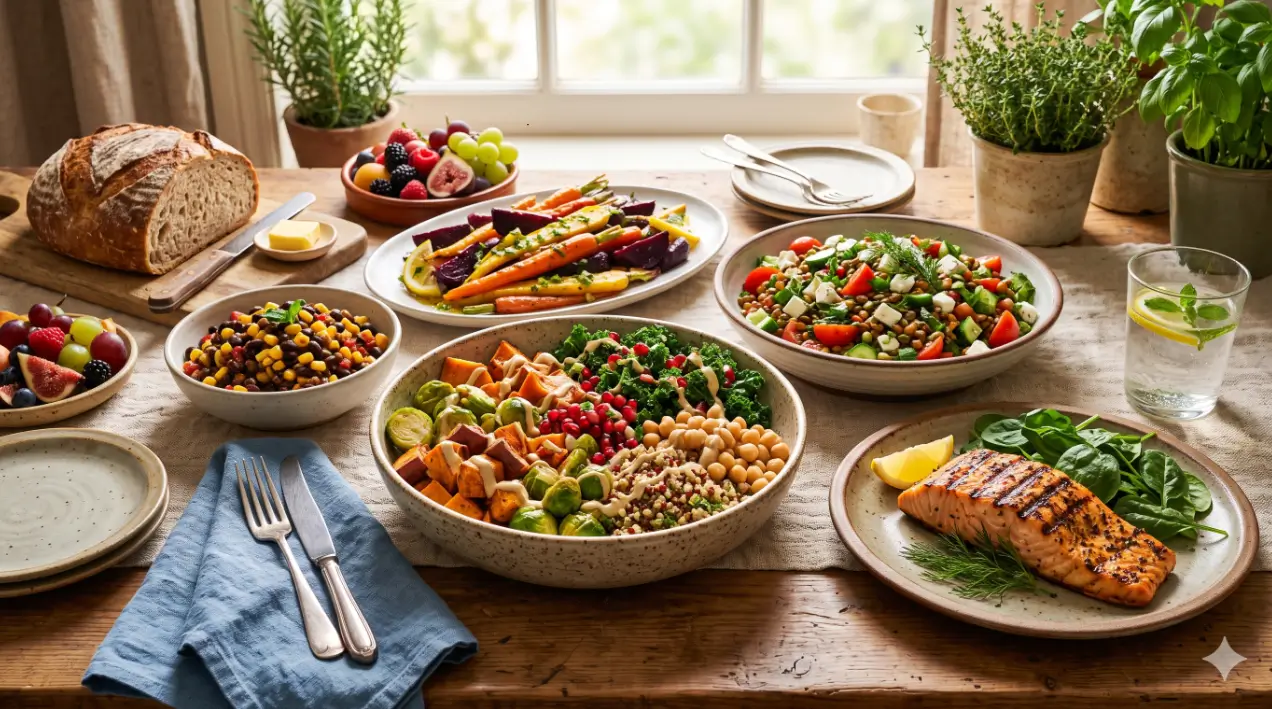
Most of the plate is plants. Pulses such as lentils, chickpeas and black beans do much of the protein work, alongside wholegrains like quinoa, plenty of vegetables, fruit and a handful of walnuts or seeds. Meat and fish appear now and then in smaller portions — a piece of salmon or some chicken a couple of times a week — rather than at the centre of every meal.
What to limit
Nothing is strictly off-limits on a flexitarian diet; meat is simply minimised, not eliminated. In practice that means treating red and processed meat as occasional rather than daily, and leaning towards whole plant foods over heavily processed ones. The absence of bans is the point — it removes the all-or-nothing pressure that makes stricter diets hard to sustain.
What the evidence says
The evidence is moderate to strong. Plant-forward eating patterns are consistently linked with lower cardiovascular risk, healthier weight and better blood-sugar control, and a flexitarian diet captures much of that while sidestepping the planning needed to go fully vegetarian. Its real strength is adherence: a good diet you can follow beats a stricter one you abandon. Reducing meat also benefits inflammation markers in many people and lightens your environmental footprint.
Who it suits — and who should take care
Flexitarian eating suits almost anyone after sustainable, long-term healthy eating — especially those who like the idea of more plants but do not want to give up meat entirely. There are few cautions, since no food group is removed. Just keep an eye on protein, iron and B12 if your meat intake drops substantially, and build meals around varied pulses, wholegrains and dairy or eggs to cover the bases. If you want to lean further into plants, a vegetarian diet or the well-evidenced Mediterranean diet are natural next steps.
Common questions
How much meat can you eat on a flexitarian diet? There is no fixed limit. The idea is simply to make plants your default and treat meat and fish as occasional rather than everyday — many flexitarians eat meat just a few times a week.
Is the flexitarian diet good for weight loss? It can be. A plant-forward plate tends to be higher in fibre and lower in calorie density, which supports gradual weight management without strict rules or calorie counting.