Turmeric is the golden spice that carries curcumin, the most studied natural anti-inflammatory compound outside of drugs. Curcumin inhibits NF-κB, the same inflammation pathway targeted by several prescription agents, but with very low oral bioavailability. That gap is why turmeric is almost always paired with black pepper and fat, and why it appears in research on anti-inflammatory eating, joint health and brain health.
Compounds & anti-nutrients in Turmeric
Per 100 g, Turmeric is a notable dietary source of these active compounds. Tap any to see its full sources map and how to work with it.
- Manganese 19.8 mg 860.9% DV
- Iron 55 mg 305.6% DV
- Copper 1.3 mg 144.4% DV
- Dietary Fibre 22.7 g 81.1% DV
- Magnesium 208 mg 49.5% DV
- Potassium 2,080 mg 44.3% DV
- Zinc 4.5 mg 40.9% DV
- Vitamin E 4.43 mg 29.5% DV
- Calcium 168 mg 12.9% DV
- Vitamin K 13.4 µg 11.2% DV
- Choline 49.2 mg 8.9% DV
- Vitamin C 0.7 mg 0.8% DV
- Curcumin 3,000 mg
- Salicylates 12 mg
Why turmeric is good for you
Curcumin’s anti-inflammatory effect is well replicated in vitro and in animal models, but human absorption is poor — less than 1% of oral curcumin reaches systemic circulation in standard extracts. Piperine from black pepper inhibits hepatic glucuronidation and increases bioavailability by around 2000%, which is why traditional recipes almost always combine the two. The nutritional content of the spice itself is modest — manganese, iron and vitamin B6 at trace levels — but curcumin is pharmacologically active at the doses used in supplements.
Turmeric nutrition at a glance
The label shows the numbers, but the practical message is that turmeric is a low-toxicity, whole-food anti-inflammatory agent that works best as part of a dietary pattern, not as a single superfood. A teaspoon of fresh grated turmeric, or a quarter-teaspoon of powder, with olive oil and black pepper is a useful kitchen habit.
How to buy and use turmeric
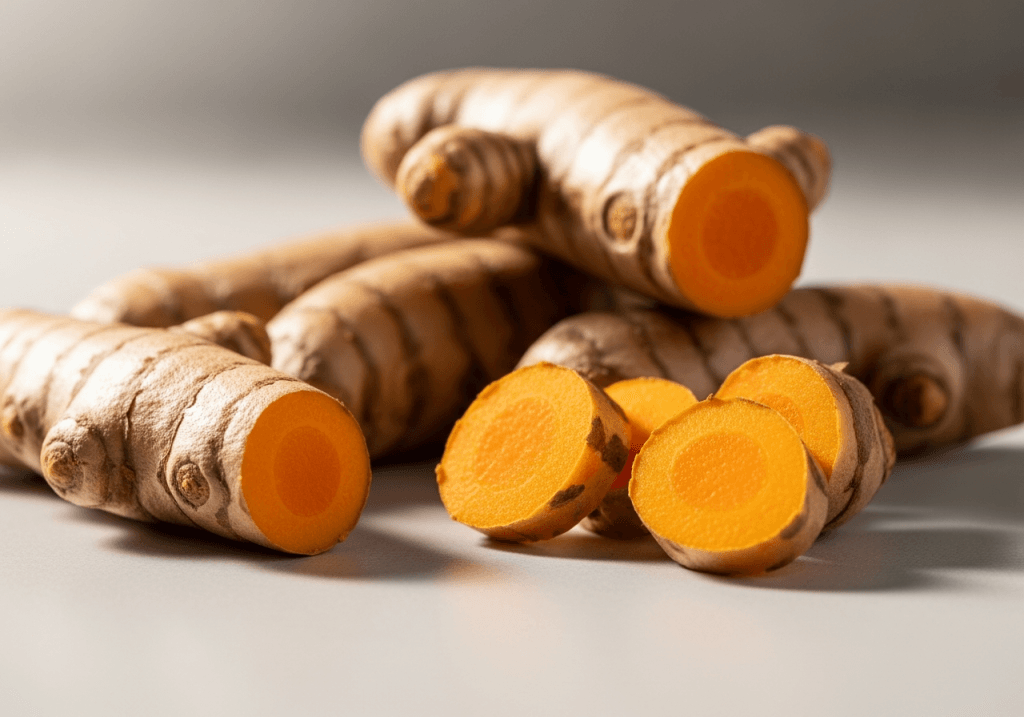
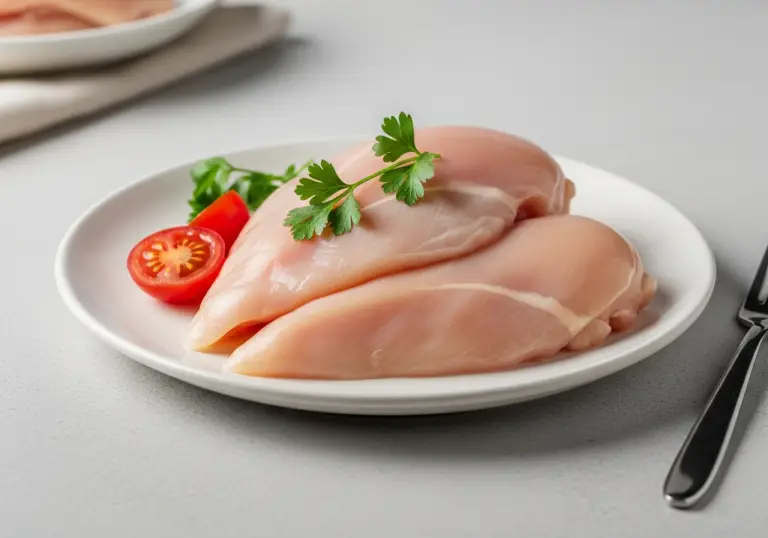
Fresh turmeric root looks like small, bright-orange ginger. Peel and grate it into curries, smoothies and rice dishes. Dried powder is more convenient but less potent; store away from light. Use with black pepper and fat — olive oil, coconut oil or ghee — to improve curcumin uptake. Turmeric pairs well with ginger, garlic, coconut and chicken.
Common questions
Does turmeric really reduce inflammation? The mechanism is sound, but the human data are mixed. Effects are clearest in joint outcomes and metabolic markers, and weakest when turmeric is taken as a random spice without fat or piperine.
Can turmeric replace medication? No. It is a dietary adjunct. Do not stop prescribed anti-inflammatories in favour of turmeric.
Explore by health goal
Turmeric is one of many foods that support these goals: