
Cod
A mild white fish that proves lean protein doesn’t need to be boring — 23 g of protein per 100 g with under 1 g of fat.
A mild white fish that proves lean protein doesn’t need to be boring — 23 g of protein per 100 g with under 1 g of fat.
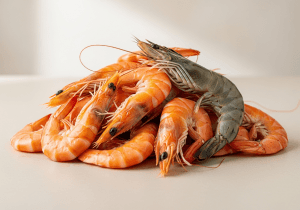
Practically pure protein, shrimp also supplies iodine for thyroid function and astaxanthin, the carotenoid that gives it its pink color.
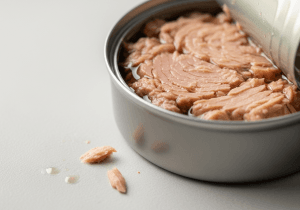
At 25 g protein for 116 calories, canned light tuna has one of the highest protein-per-calorie ratios in the supermarket.
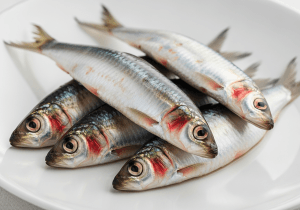
Small, oily fish with omega-3, calcium and B12 packed into an edible-bone package that is also low in mercury.
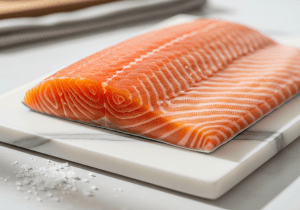
Two servings of salmon a week roughly meets the EPA/DHA intake associated with lower cardiovascular risk, plus rare dietary vitamin D.
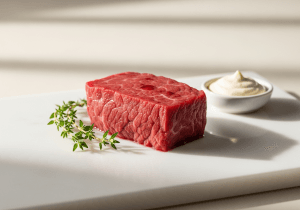
Lean beef remains one of the most bioavailable sources of iron, zinc and B12 — the trio most commonly low in restrictive diets —…
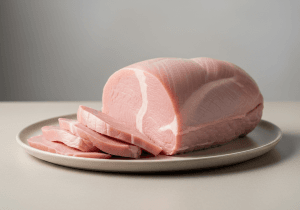
One of the leanest common meats, turkey breast delivers around 29 g of protein with very little fat, plus selenium and B6.
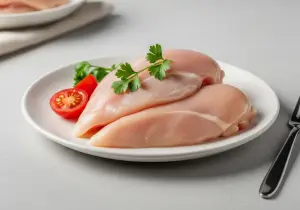
31 g of complete protein per 100 g cooked with barely any fat, plus a full day’s selenium and most of your B6.

Natural peanut butter is a budget protein powerhouse. In large cohorts, regular peanut eaters show the same reduced cardiovascular risk as tree-nut eaters.
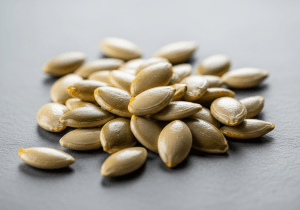
One of the best natural sources of magnesium per 100 g, pumpkin seeds also supply zinc for immune function and phytosterols for prostate health.
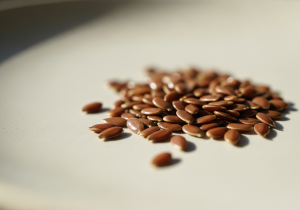
The richest common plant source of ALA omega-3, flaxseed also provides lignans and fibre for heart health and blood sugar control.
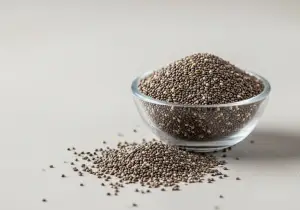
Roughly 18 g of omega-3 ALA and 34 g of fibre per 100 g make chia seeds one of the most densely nutritious seeds available.