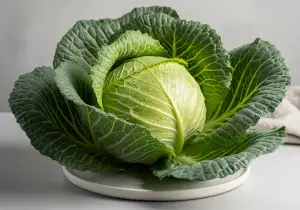
Cabbage
One of the cheapest sources of vitamin C among vegetables, cabbage also supplies glucosinolates and fibre for heart and gut health.
One of the cheapest sources of vitamin C among vegetables, cabbage also supplies glucosinolates and fibre for heart and gut health.
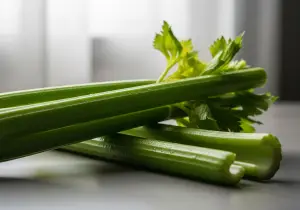
Celery is mostly water, which is exactly what makes it so useful: it delivers crunch, hydration and a
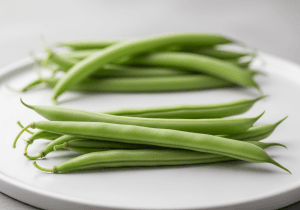
Green beans are a low-calorie vegetable with high fibre, vitamin K and folate for gut and heart health.

Butternut squash is a nutrient-dense winter vegetable with beta-carotene, fibre and potassium for eye and heart health.
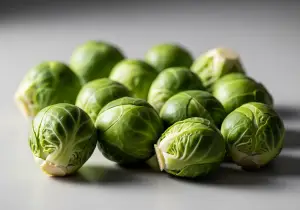
Miniature cabbages with vitamin K, vitamin C and glucosinolates — the same anti-cancer compounds that make all cruciferous vegetables valuable.
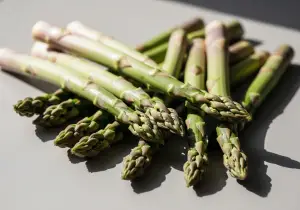
One of the most nutrient-dense vegetables per calorie, asparagus supplies folate, vitamin K and inulin prebiotic fibre for gut and heart health.
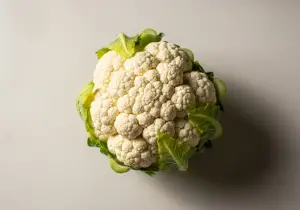
Versatile, low-calorie and high in vitamin C and glucosinolates, cauliflower is a genuine multi-purpose vegetable for low-carb and anti-inflammatory eating.
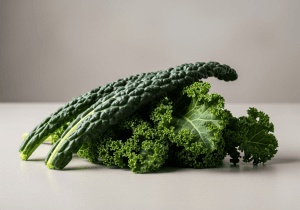
The poster child of leafy greens for a reason: one 100 g serving of kale exceeds a full day of vitamin K and delivers…
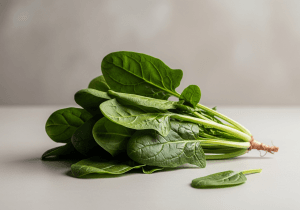
Spinach packs folate, magnesium and dietary nitrates into just 23 calories per 100 g — a leafy green worth eating more of, with a few simple caveats.
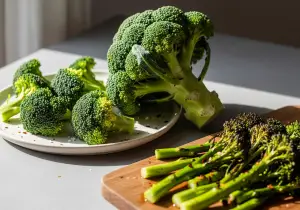
Broccoli is the best dietary source of glucoraphanin, the precursor to sulforaphane studied in cancer-prevention research.

A single sweet potato can cover more than 300% of your daily vitamin A as beta-carotene, with high fibre and a moderate glycemic index.
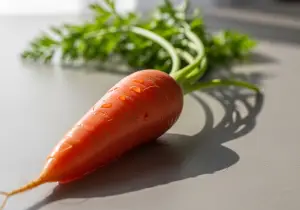
Carrots remain the classic source of beta-carotene, which the body converts to vitamin A for vision, immune function and skin.