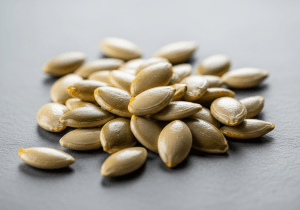
Pumpkin Seeds
One of the best natural sources of magnesium per 100 g, pumpkin seeds also supply zinc for immune function and phytosterols for prostate health.
One of the best natural sources of magnesium per 100 g, pumpkin seeds also supply zinc for immune function and phytosterols for prostate health.
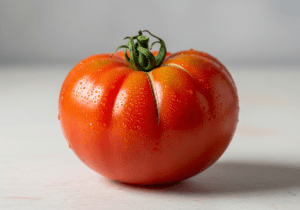
Tomatoes are the richest common source of lycopene, a carotenoid linked to heart and prostate health — especially when cooked with fat.

Natural peanut butter is a budget protein powerhouse. In large cohorts, regular peanut eaters show the same reduced cardiovascular risk as tree-nut eaters.

Garlic’s active compound allicin forms when you crush or chop the cloves, which is why preparation method matters as much as the bulb itself.
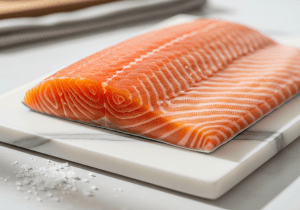
Two servings of salmon a week roughly meets the EPA/DHA intake associated with lower cardiovascular risk, plus rare dietary vitamin D.
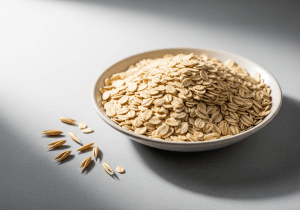
Oats are the signature source of beta-glucan, the soluble fibre with an FDA-approved cholesterol-lowering claim.
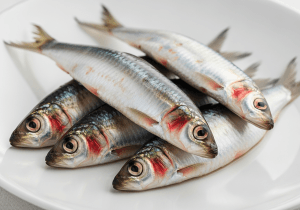
Small, oily fish with omega-3, calcium and B12 packed into an edible-bone package that is also low in mercury.
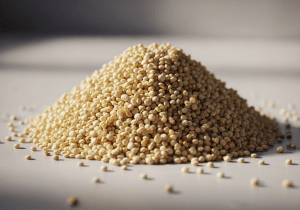
One of the few plant foods that delivers complete protein with all nine essential amino acids, plus magnesium and fibre.

Keeping the bran and germ intact gives brown rice three times the fibre of white rice plus magnesium and selenium.
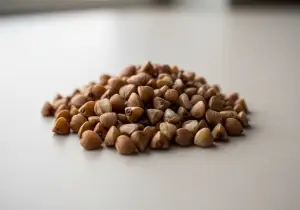
A gluten-free pseudocereal with complete plant protein, high magnesium and rutin, useful for heart health and blood sugar control.

Keeping the bran and germ gives whole wheat bread more fibre, magnesium and B vitamins than white bread, supporting heart health and stable energy.
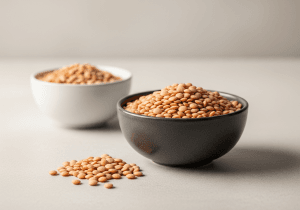
Few foods match lentils’ combination of plant protein, fibre and iron for the price.