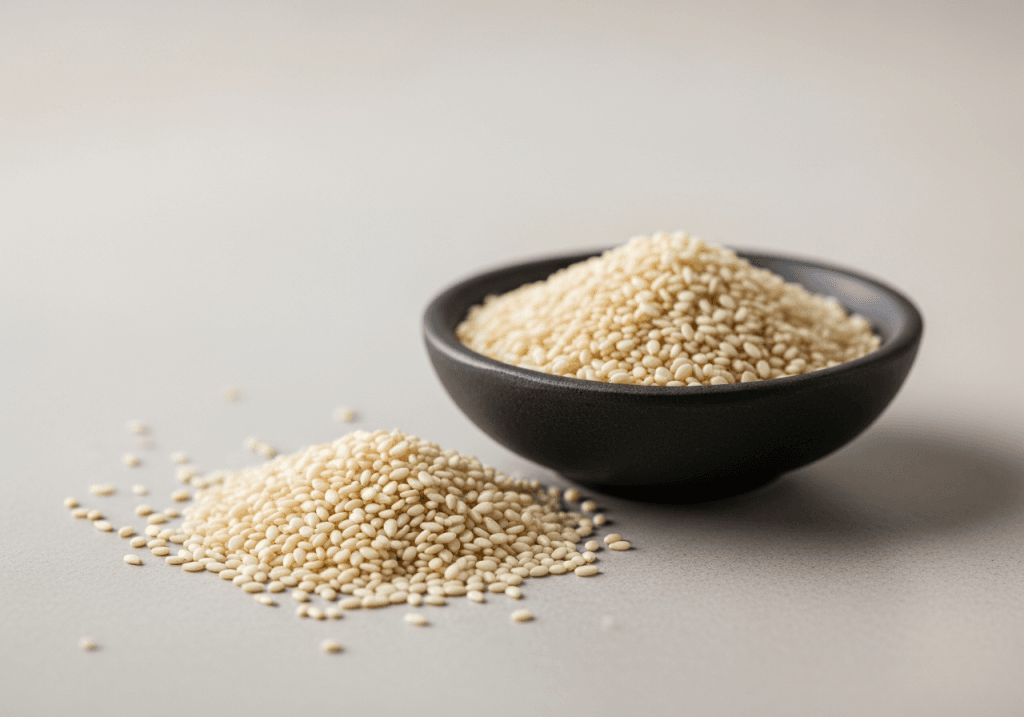
Sesame seeds are tiny but mighty, the seeds behind tahini, hummus and the topping on a sesame bun, and they carry a remarkable concentration of minerals and beneficial plant compounds. That density is why sesame seeds appear in research on bone health and heart health.
Compounds & anti-nutrients in Sesame Seeds
Per 100 g, Sesame Seeds is a notable dietary source of these active compounds. Tap any to see its full sources map and how to work with it.
- Copper 4.08 mg 453.6% DV
- Manganese 2.46 mg 107% DV
- Magnesium 351 mg 83.6% DV
- Iron 14.55 mg 80.8% DV
- Calcium 975 mg 75% DV
- Zinc 7.75 mg 70.5% DV
- Selenium 34.4 µg 62.5% DV
- Phosphorus 629 mg 50.3% DV
- Vitamin B6 0.79 mg 46.5% DV
- Dietary Fibre 11.8 g 42.1% DV
- Folate 97 µg 24.3% DV
- Potassium 468 mg 10% DV
- Purines 36.3 mg
- Monounsaturated Fat 18.76 g
- Coenzyme Q10 1.7 mg
Why sesame seeds are good for you
Sesame seeds are a notable plant source of calcium, especially when eaten unhulled with the skin on, which makes them a useful contributor to bone health for people eating less dairy. They also supply magnesium, copper and iron, along with the healthy unsaturated fats typical of seeds. Their real signature, though, is a group of lignans called sesamin and sesamol, antioxidants studied for their effects on cholesterol and inflammation.
Because much of the calcium and fibre sits in the outer hull, unhulled sesame and whole-seed tahini deliver more than the pale, hulled versions. Grinding or thoroughly chewing the seeds also helps your body access the nutrients inside their tough little coats.
Sesame seeds nutrition at a glance
The full breakdown is in the nutrition label above. The headline is mineral density, particularly calcium, packed into a high-fat, high-fibre seed. The main thing to keep in mind is that sesame is calorie-dense, so it works best as a flavourful sprinkle or a spoon of tahini rather than in large quantities. Sesame is also a recognised allergen, worth noting when cooking for others.
How to buy, store and use sesame seeds
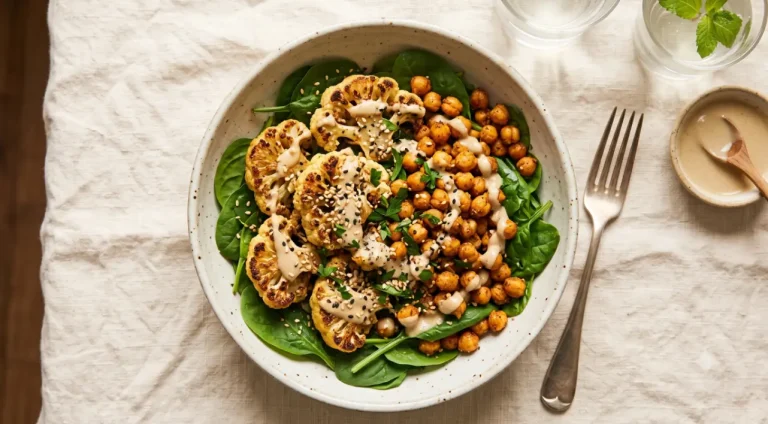
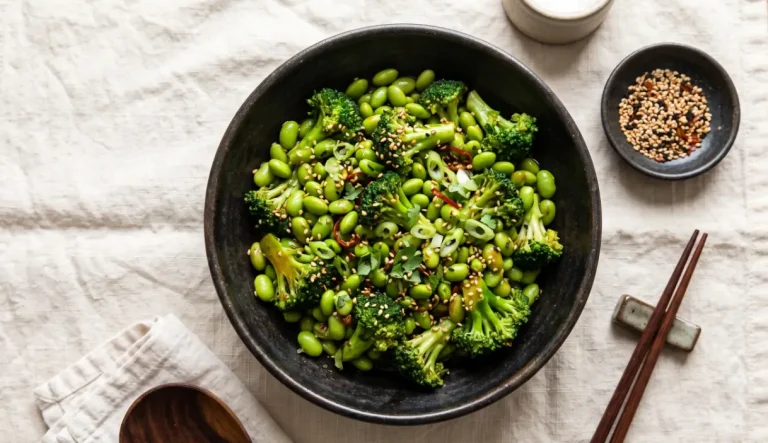
Choose unhulled seeds for maximum nutrition, or hulled for a milder, less bitter taste. Like all oily seeds they can go rancid, so keep them in a sealed container somewhere cool, or in the fridge for longer storage. Toasting brings out a deep, nutty aroma. Scatter them over stir-fries and salads, blend them into dressings, or stir tahini into dips and sauces. They pair beautifully with garlic in a tahini dressing and complement chickpeas in classic hummus.
Common questions
Are sesame seeds a good source of calcium? Unhulled sesame seeds and whole-seed tahini are among the better plant sources of calcium, which makes them helpful for bone health in plant-based diets. They work best alongside other calcium-rich foods rather than as the sole source.
Should you eat sesame seeds whole or ground? The seeds have a tough coat, so whole ones can pass through partly undigested. Grinding them, or eating them as tahini, makes their calcium, healthy fats and lignans easier for the body to absorb.
Explore by health goal
Sesame Seeds is one of many foods that support these goals: