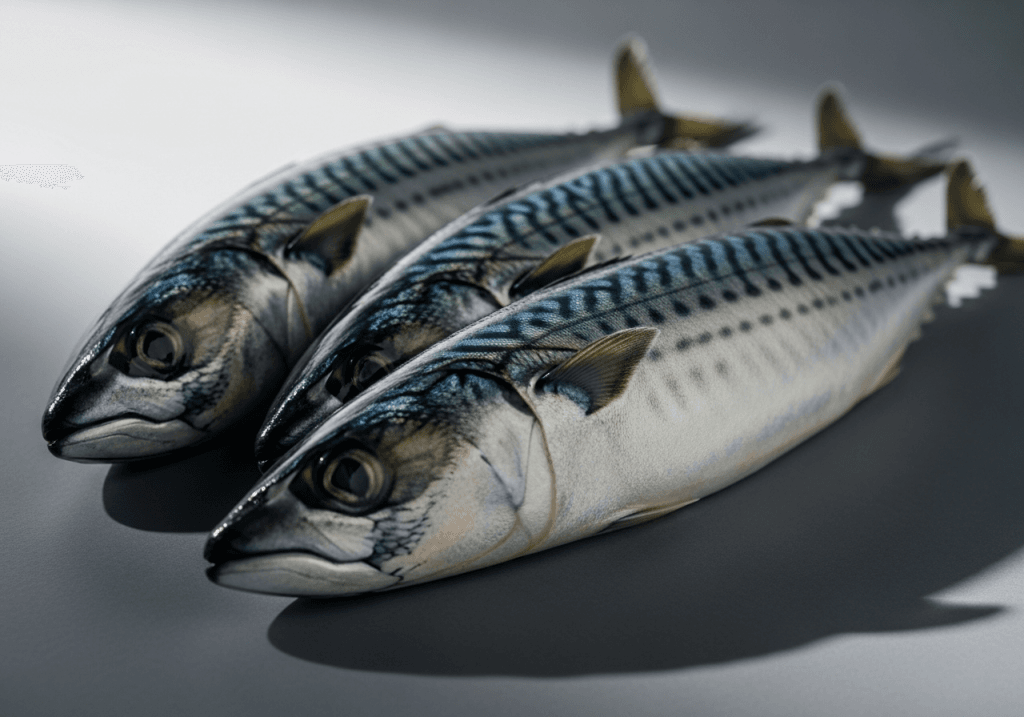
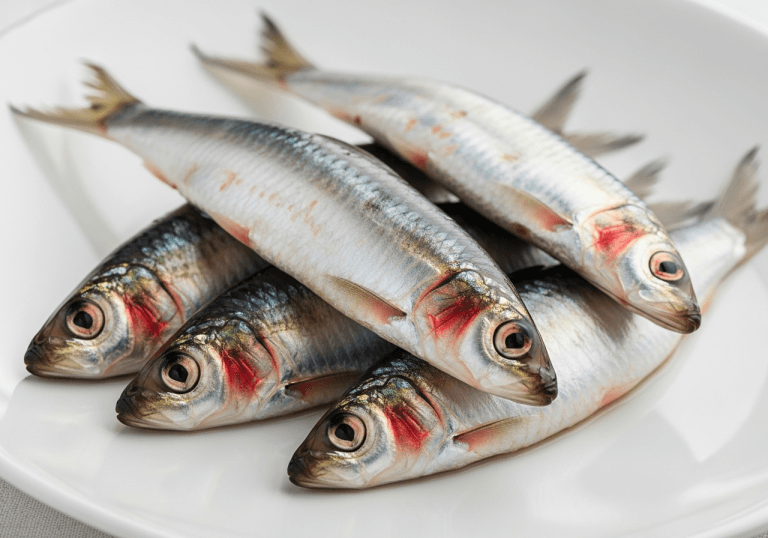
Mackerel is one of the most nutritious fish you can buy, and one of the most affordable oily fish on the slab. Its rich, distinctive flesh is loaded with the long-chain omega-3 fats that put oily fish at the centre of research on heart health, brain health and the body’s inflammatory balance.
Compounds & anti-nutrients in Mackerel
Per 100 g, Mackerel is a notable dietary source of these active compounds. Tap any to see its full sources map and how to work with it.
Why mackerel is good for you
The headline is the omega-3 fatty acids EPA and DHA, which the body cannot make efficiently from plant sources and which are studied for supporting healthy blood vessels, brain function and a calmer inflammatory response. Mackerel is also one of the few foods that naturally supplies meaningful vitamin D, the “sunshine vitamin” that many people fall short on through winter, along with vitamin B12 and the antioxidant mineral selenium. It is an excellent source of complete protein into the bargain.
Oily fish are at their best when their delicate fats are not overcooked, so grilling or pan-frying briefly over a high heat keeps the flesh moist and the omega-3 intact.
Mackerel nutrition at a glance
The full breakdown is in the label above. Mackerel is naturally higher in fat than white fish, but that fat is precisely the valuable part, dominated by beneficial omega-3. Health guidance generally encourages a portion of oily fish each week. One practical note: larger mackerel species can carry more environmental mercury, so as with all oily fish, pregnant women in particular are advised to keep to recommended limits.
How to choose, store and cook mackerel
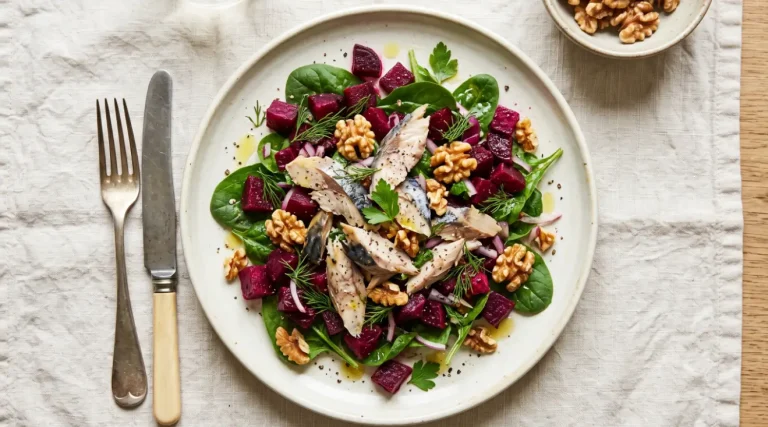
Fresh mackerel should smell clean and of the sea, with bright eyes, firm flesh and shimmering, taut skin; it spoils faster than white fish, so use it the day you buy it. Tinned and smoked mackerel are excellent, convenient alternatives that keep for months. Its robust flavour stands up to acidity, so it loves a squeeze of citrus or a sharp tomato salsa to cut the richness.
Common questions
Is mackerel good for your heart? It is one of the best food sources of long-chain omega-3 fats, which are widely studied for cardiovascular health, so a weekly portion of oily fish like mackerel is a sound, evidence-backed habit.
Is tinned mackerel as healthy as fresh? Largely, yes. Tinned mackerel keeps most of its omega-3, protein and vitamin D, and it is cheap and convenient. Choosing tins in spring water or olive oil rather than heavy sauces keeps it simple.
Explore by health goal
Mackerel is one of many foods that support these goals: