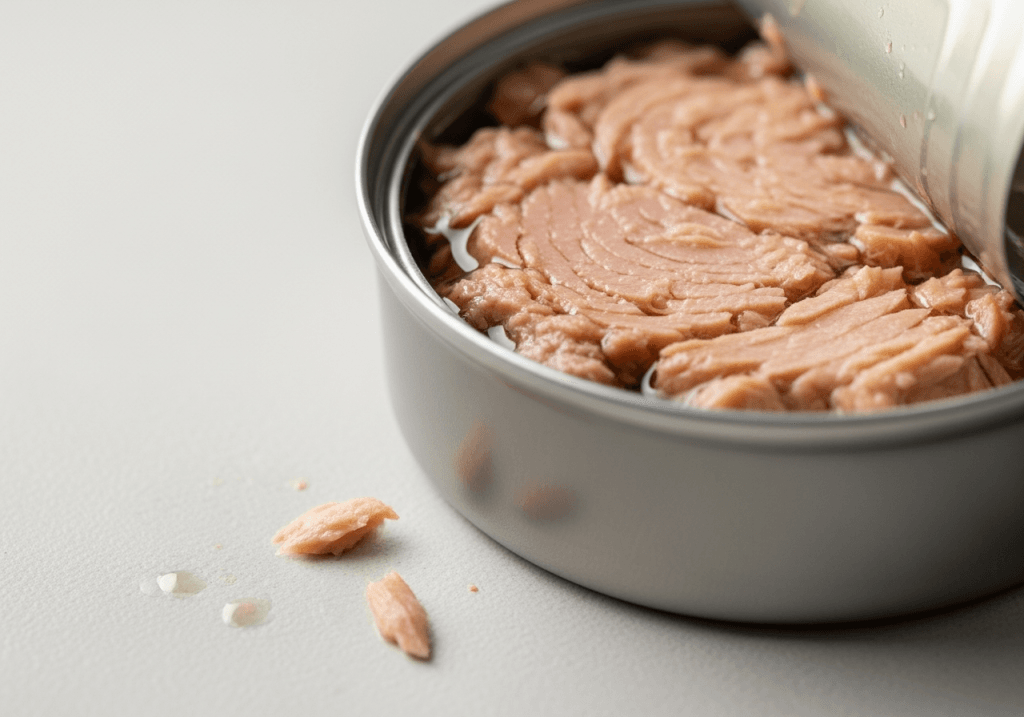
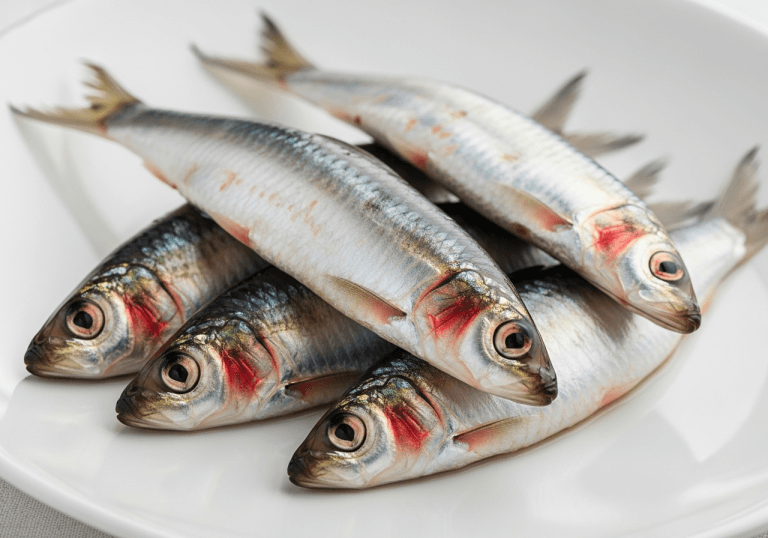
Tuna canned in water is one of the highest protein-per-calorie foods in the supermarket — roughly 25 g of complete protein for 116 kcal. That efficiency, combined with selenium, vitamin B12 and niacin, is why canned tuna is a go-to for anyone targeting energy and performance or weight management.
Compounds & anti-nutrients in Tuna (canned, light)
Per 100 g, Tuna (canned, light) is a notable dietary source of these active compounds. Tap any to see its full sources map and how to work with it.
Why tuna is good for you
Tuna is an excellent source of complete protein and several B vitamins, especially B12 and niacin. It also supplies selenium, an antioxidant cofactor, and a useful amount of omega-3 EPA and DHA, though less than oily fish like salmon or sardines. The canned form is convenient, shelf-stable and usually lower in mercury than larger tuna species when you choose “light” skipjack tuna.
Tuna nutrition at a glance
The label shows the numbers, but the practical takeaway is convenience and protein efficiency. Canned light tuna in water is roughly 25 g protein for 116 kcal and almost no fat — an easy pantry staple for sandwiches, salads and pasta.
How to buy and use tuna
Choose canned light tuna in spring water for the lowest mercury and fewest added calories; olive-oil-packed tuna adds healthy fat but more calories. Drain well before use. Tuna works in salads with Greek yoghurt and lemon, on whole-grain toast, or mixed with chickpeas and harissa for a fast protein bowl. Fresh tuna steaks are excellent seared rare, but they are a different product with different nutrient density.
Common questions
Is canned tuna high in mercury? Light canned tuna is among the lower-mercury tinned fish. Albacore (“white”) tuna is higher, so stick to skipjack light tuna for frequent use.
Should I worry about eating tuna every day? For most adults, a few servings a week of light tuna is well within safe mercury limits. Daily intake is not recommended for pregnant people or young children, who are more sensitive to mercury accumulation.
Explore by health goal
Tuna (canned, light) is one of many foods that support these goals: