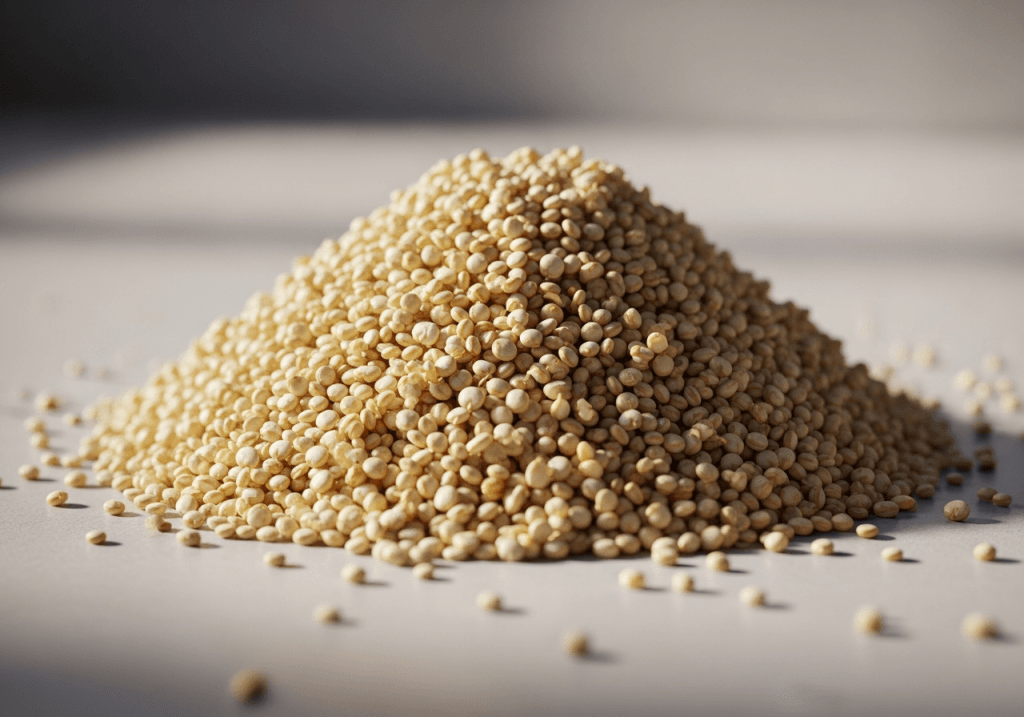
Quinoa is a pseudocereal that was domesticated in the Andes thousands of years ago, and it remains one of the few plant foods that delivers complete protein with all nine essential amino acids. A 100 g dry portion supplies roughly 14 g of protein, 7 g of fibre and useful magnesium, phosphorus and manganese. That profile is why quinoa appears in research on heart health and energy and performance.
Compounds & anti-nutrients in Quinoa
Per 100 g, Quinoa is a notable dietary source of these active compounds. Tap any to see its full sources map and how to work with it.
Why quinoa is good for you
Quinoa’s protein completeness is rare among plants, and its magnesium content is exceptional for a grain-like staple. It is also naturally gluten-free, which is why quinoa flour and flakes are staples in gluten-free baking and porridge. The glycaemic index is moderate, and the fibre matrix slows digestion. The main caveat is saponins — the bitter coating on the seed — which can irritate the gut if quinoa is not rinsed well before cooking.
Quinoa nutrition at a glance
The label shows the numbers, but the practical message is that quinoa is a gluten-free, protein-rich carbohydrate that cooks in 15 minutes and works in both sweet and savoury dishes.
How to buy and cook quinoa
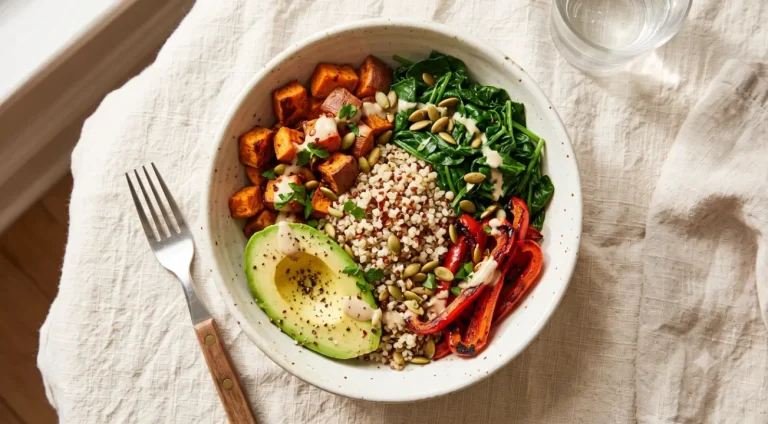
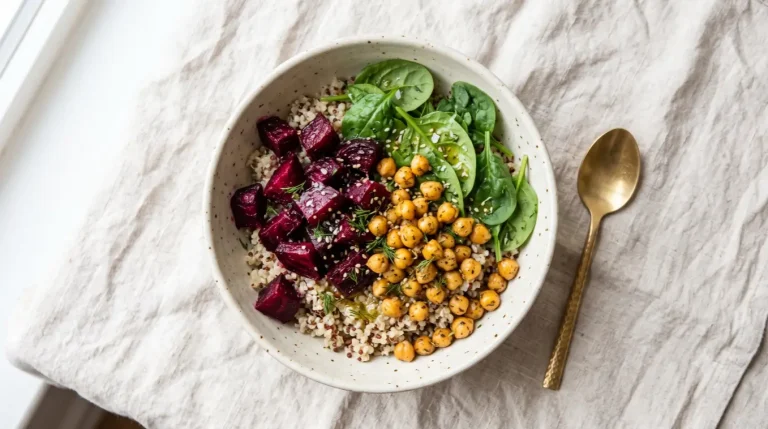
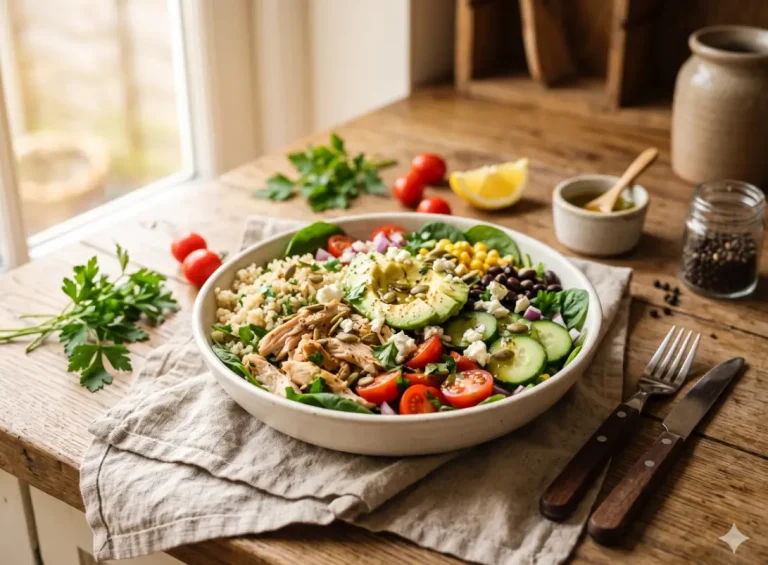
Rinse quinoa thoroughly before cooking to remove the saponin coating, which tastes bitter and can irritate some people. Use a 2:1 water-to-quinoa ratio, bring to the boil, then simmer covered for 15 minutes. Fluff with a fork before serving. Quinoa works in grain bowls with salmon and broccoli, as a side for curries, or as a breakfast porridge with oats and fruit.
Common questions
Is quinoa gluten-free? Yes, quinoa is naturally gluten-free, but cross-contamination can occur in processing. Check the label if you have coeliac disease.
Is quinoa a complete protein? Yes — its amino acid profile is close to that of dairy, which is unusual for a plant food.
Explore by health goal
Quinoa is one of many foods that support these goals: