The low-FODMAP diet is a short-term elimination protocol developed at Monash University that eases the symptoms of irritable bowel syndrome in roughly seven in ten people who try it properly. FODMAPs are fermentable carbohydrates that draw water into the gut and ferment quickly, triggering bloating, wind and pain in sensitive guts. Crucially, it is a diagnostic tool for gut health — not a forever diet — and is meant to be followed with structured reintroduction.
What is the low-FODMAP diet?
The protocol runs in phases. First comes a few weeks of strict elimination, removing high-FODMAP foods to calm symptoms. Then foods are reintroduced one group at a time to pinpoint your personal triggers, before settling into a relaxed long-term diet that restricts only what genuinely bothers you. Done alone it can be confusing, so it is best run with a dietitian; our low-FODMAP archive gives more background.
What to eat on the low-FODMAP diet
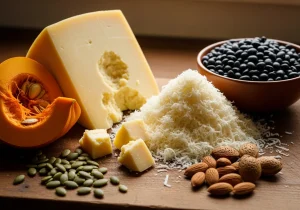
Plenty of everyday foods are naturally low in FODMAPs. Build meals around eggs, fish, meat and chicken breast, with oats or rice for grains and hard cheeses such as cheddar, which are low in lactose. Among vegetables, carrots, courgette and cucumber are well tolerated. Portion size matters: even low-FODMAP foods can add up if eaten in large amounts.
What to limit
During the elimination phase you temporarily set aside common high-FODMAP foods: onion and garlic, wheat-based bread and pasta, many beans and pulses, and certain fruits such as apples and pears. This is deliberately strict but short-lived — none of these foods is inherently bad, and most people reintroduce several of them successfully. Cutting them indefinitely is unnecessary and can starve your gut bacteria of valuable fibre.
What the evidence says
For IBS specifically, the evidence is strong: well-conducted trials consistently show the low-FODMAP approach reduces bloating, pain and irregular bowel habits in the majority of patients, which is why it is a recommended dietary therapy. That strength applies only to managing IBS symptoms — it is not a general wellness diet, and there is no reason for people without gut symptoms to follow it. Used long-term without reintroduction it may actually harm gut health by reducing fibre diversity.
Who it suits — and who should take care
It suits people with diagnosed IBS seeking symptom relief, ideally under the guidance of a registered dietitian. Take care not to stay in the elimination phase: it is restrictive by design and missing the reintroduction step risks nutritional gaps and a needlessly limited diet. Children, pregnant women and anyone with a history of disordered eating should only attempt it with professional support. If your symptoms are general digestive comfort rather than IBS, a gentler whole-food pattern such as the Mediterranean diet is a better starting point.
Common questions
How long should you stay on the low-FODMAP diet? The strict phase usually lasts two to six weeks only. It is designed to be temporary, followed by reintroduction so you can eat as varied a diet as your gut allows.
Is the low-FODMAP diet good for everyone? No. It is a targeted protocol for IBS, not a general healthy-eating plan. People without gut symptoms gain nothing from it and may lose beneficial fibre.