Zinc
Zinc is a workhorse trace mineral behind immune function, skin repair and taste. As with iron, the phytates in unsoaked legumes and grains bind zinc and…
Zinc is a workhorse trace mineral behind immune function, skin repair and taste. As with iron, the phytates in unsoaked legumes and grains bind zinc and…

Eggs are the leading food source of choline, with complete protein, vitamin D and lutein — all in a cheap, versatile package.
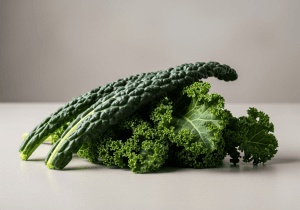
The poster child of leafy greens for a reason: one 100 g serving of kale exceeds a full day of vitamin K and delivers…
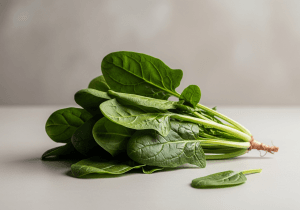
Spinach packs folate, magnesium and dietary nitrates into just 23 calories per 100 g — a leafy green worth eating more of, with a few simple caveats.
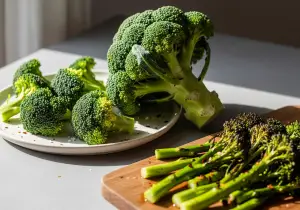
Broccoli is the best dietary source of glucoraphanin, the precursor to sulforaphane studied in cancer-prevention research.
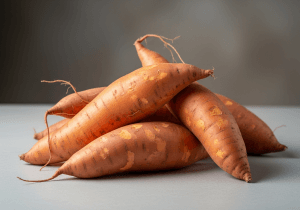
A single sweet potato can cover more than 300% of your daily vitamin A as beta-carotene, with high fibre and a moderate glycemic index.
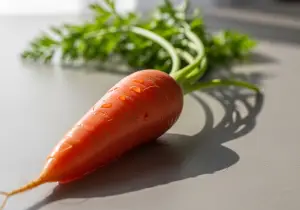
Carrots remain the classic source of beta-carotene, which the body converts to vitamin A for vision, immune function and skin.
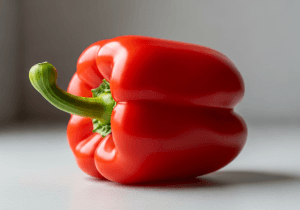
Red bell peppers deliver more vitamin C than oranges per 100 g, with capsanthin and carotenoids for immunity and eye health.
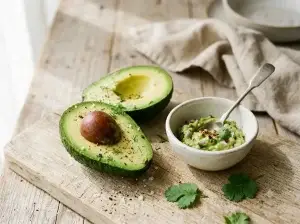
Avocado is high in monounsaturated fat, fibre, potassium and lutein — a nutrient-dense fat source with genuine heart and eye health benefits.