Beetroot owes its cardiovascular and athletic reputation to dietary nitrates, which the body converts into nitric oxide — the same signalling molecule that relaxes blood vessels and improves blood flow. That mechanism is why beetroot juice and cooked beetroot appear in research on heart health and energy and performance, and why it has become a staple of pre-exercise nutrition in endurance sports.
Compounds & anti-nutrients in Beetroot
Per 100 g, Beetroot is a notable dietary source of these active compounds. Tap any to see its full sources map and how to work with it.
Why beetroot is good for you
Beetroot is one of the most concentrated dietary sources of inorganic nitrate among common vegetables. It also supplies folate for cell division, manganese for bone health, and betalains — the pigments responsible for its deep colour — which have antioxidant and anti-inflammatory properties in their own right. The nitrates are the headline, but the supporting nutrients matter too.
Beetroot nutrition at a glance
The label shows the numbers, but the practical message is that beetroot is a sweet, earthy vegetable with a genuine functional edge. The nitrate content is highest when it is raw or juiced, but cooked beetroot still delivers useful fibre and micronutrients.
How to buy, store and cook beetroot
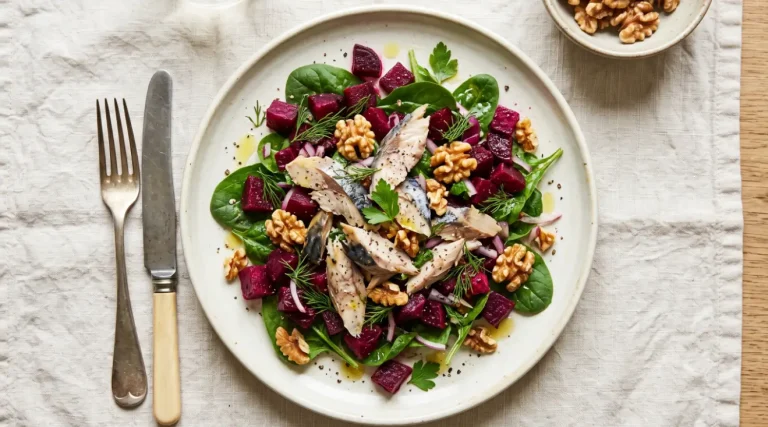
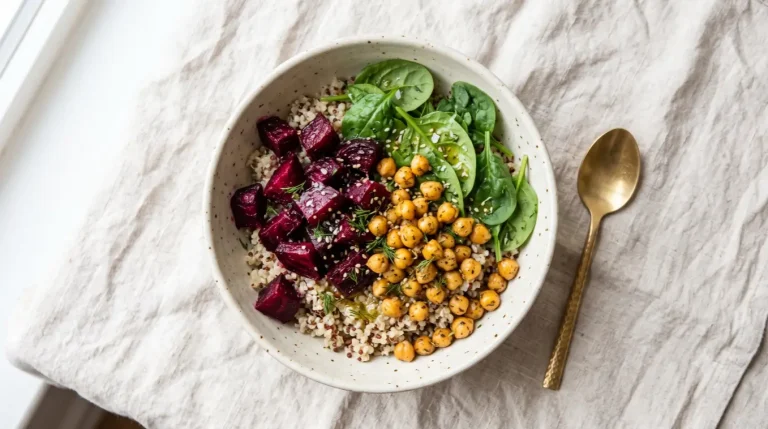
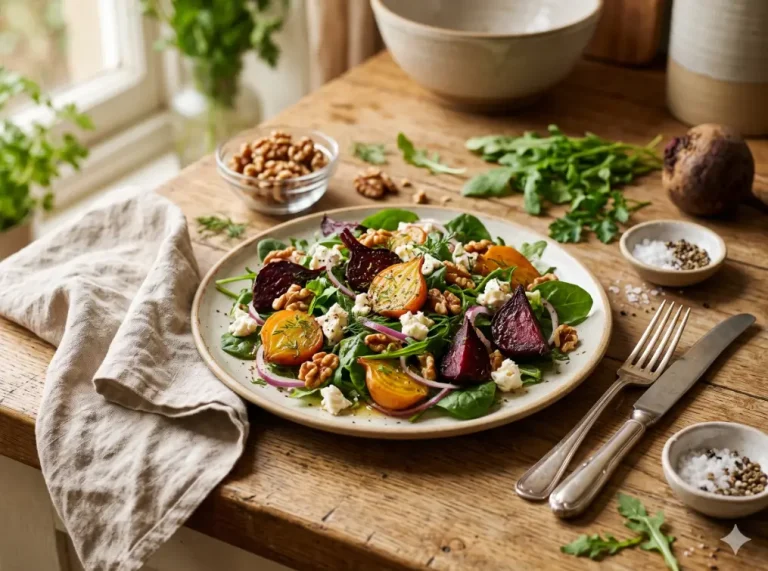
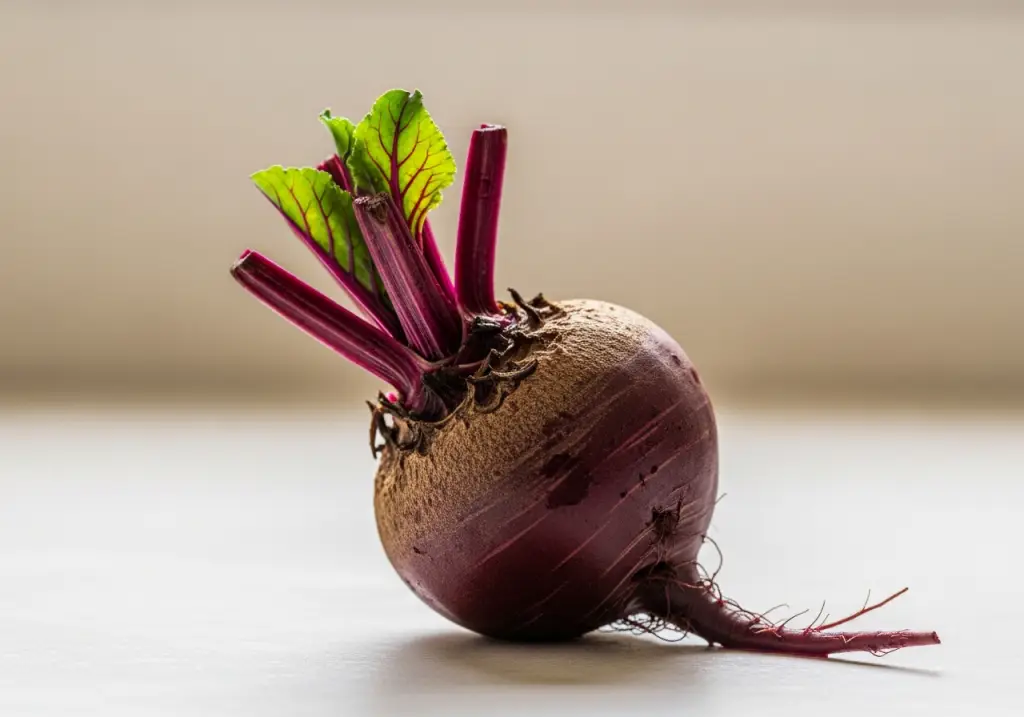
Choose firm, heavy beetroot with smooth skin and no soft spots. Store in the fridge for up to a few weeks. Cook by roasting, boiling or steaming — roasting concentrates the sweetness, boiling is faster. Beetroot pairs beautifully with Greek yoghurt, walnuts, spinach and olive oil. The leaves are also edible and nutritious if you buy them attached.
Common questions
Does beetroot lower blood pressure? Yes, modestly. Meta-analyses show that inorganic nitrate from beetroot juice reduces systolic blood pressure, with the strongest effects in longer trials and higher-nitrate preparations.
Will beetroot turn my urine pink? Yes — beeturia is harmless and affects some people but not others. It is not a sign of disease.
Explore by health goal
Beetroot is one of many foods that support these goals: