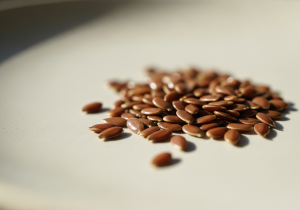
Flaxseed
The richest common plant source of ALA omega-3, flaxseed also provides lignans and fibre for heart health and blood sugar control.
The richest common plant source of ALA omega-3, flaxseed also provides lignans and fibre for heart health and blood sugar control.
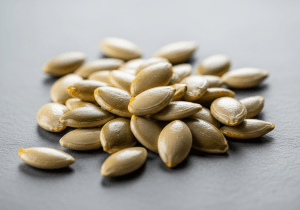
One of the best natural sources of magnesium per 100 g, pumpkin seeds also supply zinc for immune function and phytosterols for prostate health.

Natural peanut butter is a budget protein powerhouse. In large cohorts, regular peanut eaters show the same reduced cardiovascular risk as tree-nut eaters.

Two servings of salmon a week roughly meets the EPA/DHA intake associated with lower cardiovascular risk, plus rare dietary vitamin D.
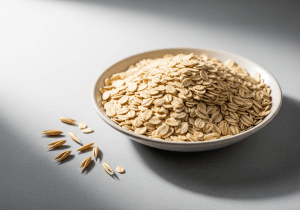
Oats are the signature source of beta-glucan, the soluble fibre with an FDA-approved cholesterol-lowering claim.
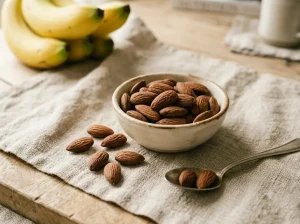
A handful of almonds covers nearly half your daily vitamin E, with magnesium and monounsaturated fat supporting heart and skin health.
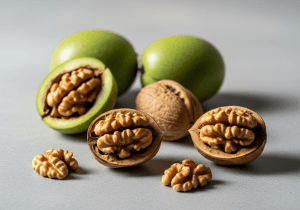
Walnuts are the only common nut with meaningful plant omega-3 ALA, and feature in nearly every major heart-health trial.
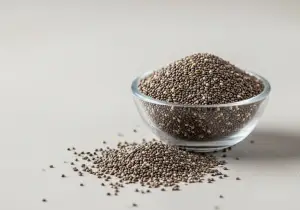
Roughly 18 g of omega-3 ALA and 34 g of fibre per 100 g make chia seeds one of the most densely nutritious seeds available.
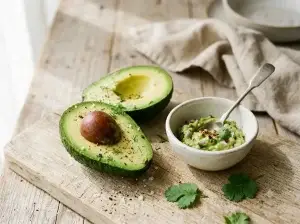
Avocado is high in monounsaturated fat, fibre, potassium and lutein — a nutrient-dense fat source with genuine heart and eye health benefits.