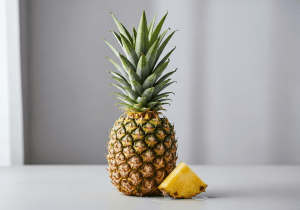
Pineapple
Pineapple combines the proteolytic enzyme bromelain with exceptional vitamin C and manganese content for digestive and immune health.
Pineapple combines the proteolytic enzyme bromelain with exceptional vitamin C and manganese content for digestive and immune health.
Vitamin C is a water-soluble antioxidant the body cannot store for long, so a regular dietary supply matters. Beyond immune support it is essential for collagen…
Zinc is a workhorse trace mineral behind immune function, skin repair and taste. As with iron, the phytates in unsoaked legumes and grains bind zinc and…
Formed when cruciferous vegetables are chopped or chewed, sulforaphane is one of the most intensively studied plant compounds in prevention research. Values are given as its…
Quercetin bridges two of our niches: a heart-friendly flavonol that also calms the mast-cell histamine release behind many sensitivity symptoms.
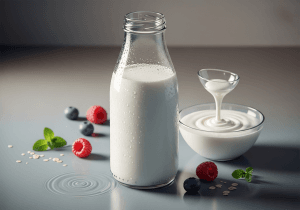
A fermented milk drink with a far more diverse probiotic profile than yoghurt, supported by a Stanford trial showing increased microbiome diversity.
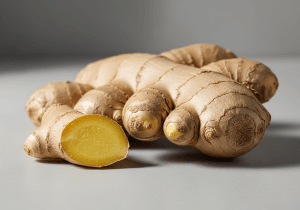
Ginger’s active compounds — gingerols, shogaols and paradols — are among the best-studied plant anti-inflammatory agents, with strong nausea evidence.
Over ten weeks, a diet high in fermented foods such as yogurt, kefir and kimchi steadily increased gut microbiome diversity and lowered 19 of 93 inflammatory proteins measured in blood. These were secondary results: the trial’s primary immune measure did not change on either diet.
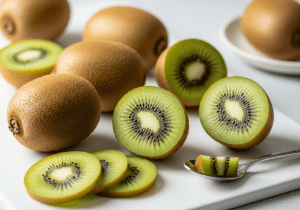
Gram for gram one of the most nutrient-dense common fruits. Kiwifruit’s actinidin enzyme aids protein digestion, and two kiwis a day improved bowel regularity…
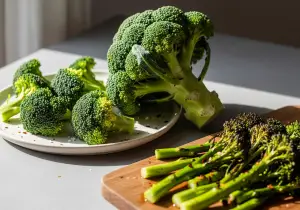
Broccoli is the best dietary source of glucoraphanin, the precursor to sulforaphane studied in cancer-prevention research.
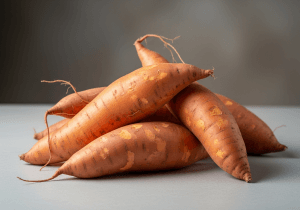
A single sweet potato can cover more than 300% of your daily vitamin A as beta-carotene, with high fibre and a moderate glycemic index.
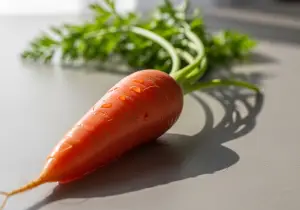
Carrots remain the classic source of beta-carotene, which the body converts to vitamin A for vision, immune function and skin.