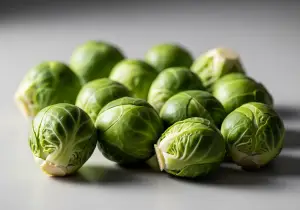
Brussels Sprouts
Miniature cabbages with vitamin K, vitamin C and glucosinolates — the same anti-cancer compounds that make all cruciferous vegetables valuable.
Miniature cabbages with vitamin K, vitamin C and glucosinolates — the same anti-cancer compounds that make all cruciferous vegetables valuable.
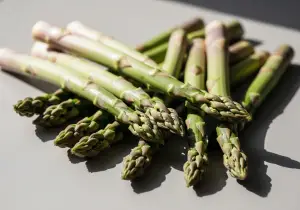
One of the most nutrient-dense vegetables per calorie, asparagus supplies folate, vitamin K and inulin prebiotic fibre for gut and heart health.
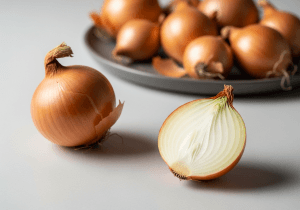
Onion is the quiet foundation of cooking the world over, and beneath that everyday role sits a surprisingly
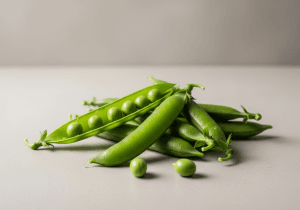
Green peas — the garden peas most of us grew up shelling or tipping frozen into a pan
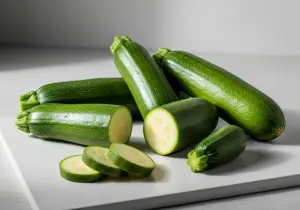
Courgette (known as zucchini in much of the world) is a tender summer squash that is roughly nine-tenths
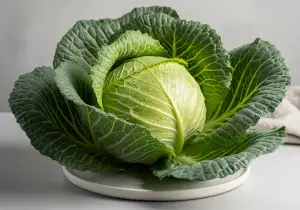
One of the cheapest sources of vitamin C among vegetables, cabbage also supplies glucosinolates and fibre for heart and gut health.
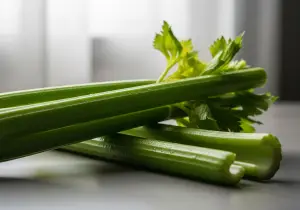
Celery is mostly water, which is exactly what makes it so useful: it delivers crunch, hydration and a
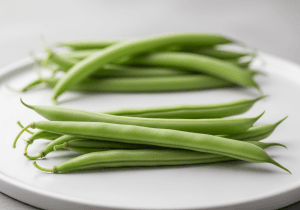
Green beans are a low-calorie vegetable with high fibre, vitamin K and folate for gut and heart health.

Butternut squash is a nutrient-dense winter vegetable with beta-carotene, fibre and potassium for eye and heart health.
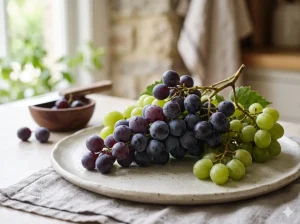
Grapes are one of the oldest cultivated fruits, and their appeal goes well beyond being a convenient sweet

Raspberries are one of the most fibre-rich fruits you can eat — those little hollow drupelets are essentially
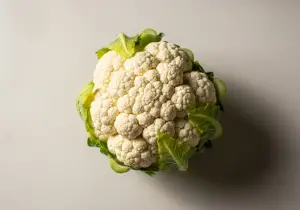
Versatile, low-calorie and high in vitamin C and glucosinolates, cauliflower is a genuine multi-purpose vegetable for low-carb and anti-inflammatory eating.