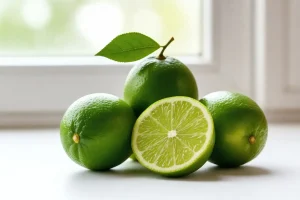
Lime
Lime combines vitamin C, citric acid and flavonoids for immunity and digestion, and historically prevented scurvy in British sailors.
Lime combines vitamin C, citric acid and flavonoids for immunity and digestion, and historically prevented scurvy in British sailors.
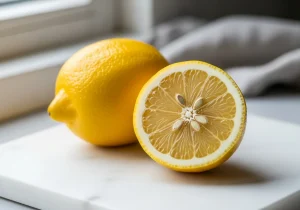
Lemon combines vitamin C, citric acid and flavonoids for immunity and digestion, but the acid erodes enamel — dilute and use a straw.
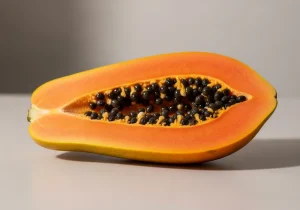
Papaya combines the digestive enzyme papain with exceptional beta-carotene and vitamin C content for digestive and immune health.
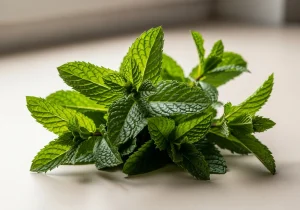
Menthol gives peppermint its cooling effect and smooth-muscle relaxant properties, making peppermint oil one of the best-studied natural IBS remedies.
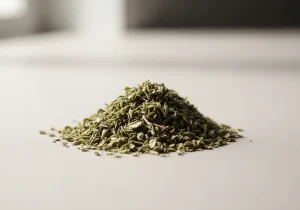
Carvacrol and rosmarinic acid make oregano one of the most antioxidant-rich herbs, with documented antimicrobial and anti-inflammatory effects.
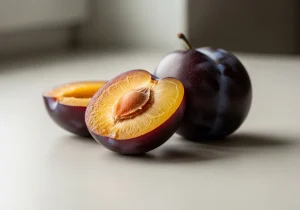
Plums combine sorbitol and fibre for gut health, with polyphenols that slow glucose absorption and support weight management.
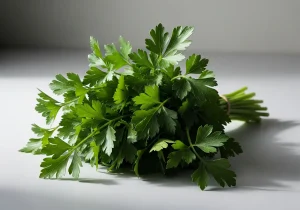
Weight for weight one of the most nutrient-dense greens available, parsley delivers exceptional vitamin K and vitamin C in tiny servings.
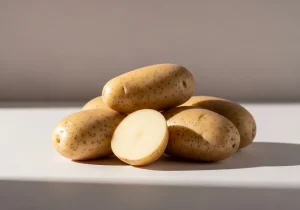
Potatoes are a cheap, nutrient-dense energy source with more potassium than bananas, especially when cooled to increase resistant starch.
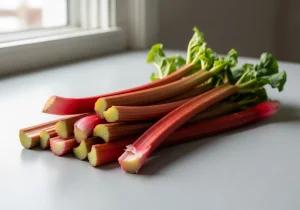
Rhubarb stalks are high in fibre and vitamin K, but the leaves are poisonous — only the stalks should be eaten.

Pumpkin flesh is one of the richest sources of beta-carotene, and the seeds supply zinc and magnesium for immune and muscle health.
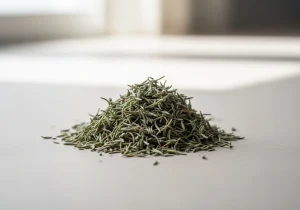
Thymol gives thyme documented antimicrobial and antitussive effects, making it a traditional remedy for coughs and respiratory infections.
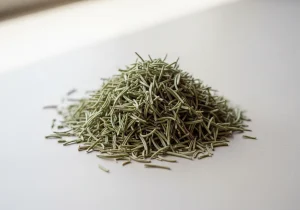
Rosmarinic acid, carnosol and ursolic acid give rosemary documented antioxidant, anti-inflammatory and neuroprotective effects beyond its culinary role.