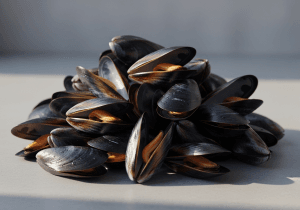
Mussels
One of the most sustainable complete proteins available, mussels also supply B12, iron and omega-3 at levels comparable to salmon.
One of the most sustainable complete proteins available, mussels also supply B12, iron and omega-3 at levels comparable to salmon.
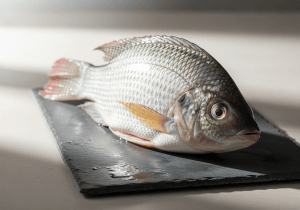
Tilapia is a mild, affordable white fish that has quietly become one of the world’s most farmed —
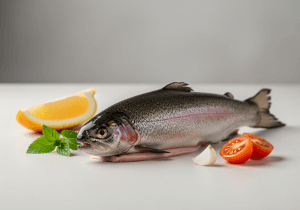
Rainbow trout is one of the most approachable oily fish on the fishmonger’s slab: milder and less assertive
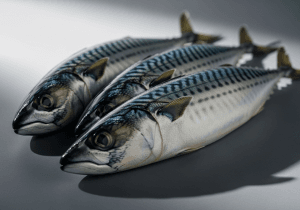
Mackerel is one of the most nutritious fish you can buy, and one of the most affordable oily
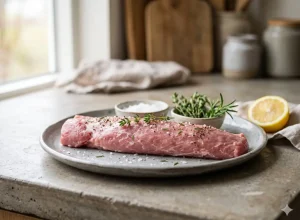
Pork tenderloin is the leanest cut on the pig and a genuinely lean red-meat option, comparable to skinless
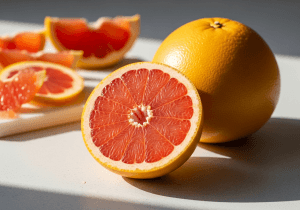
Grapefruit combines vitamin C, fibre and naringenin for weight management, but carries serious drug interactions with more than 85 medications.
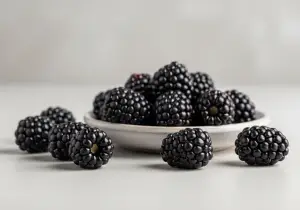
Blackberries are one of the darkest, most antioxidant-rich berries you can pick, and that deep purple-black colour is
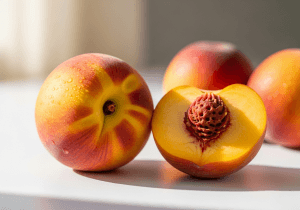
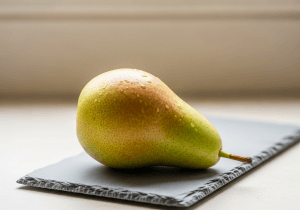
Pears are among the highest-fibre fruits available, with soluble pectin and sorbitol for heart and gut health.

Cherries are one of summer’s most concentrated sources of colourful plant pigments, and that rich red is more
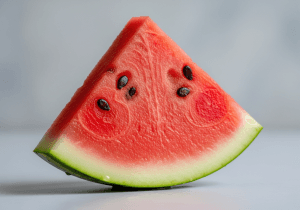
Watermelon is one of the most hydrating foods, with lycopene and citrulline for heart health and exercise performance.
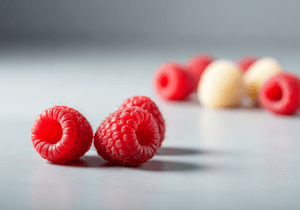
Raspberries are one of the most fibre-rich fruits you can eat — those little hollow drupelets are essentially